0%

As warehouses prepare for 2026, pallet storage decisions are becoming more detailed and less predictable. A single layout rarely serves every product, order profile, or building constraint. The right Pallet Storage System must balance capacity, access, safety, labor, and future change.

This guide examines the leading pallet storage system types expected to shape modern warehouses. Selective pallet racking remains practical for mixed stock and frequent picking. Drive-in racking can increase density, especially for uniform products with limited stock rotation. Push-back racking offers deeper storage while preserving better access than drive-in designs. Pallet flow systems support first-in, first-out movement, making them useful for dated goods. Double-deep racking may improve space use, but it can reduce immediate access. Automated storage and retrieval systems also deserve attention where labor costs, accuracy, and throughput justify their investment.

Real warehouse experience shows that density alone does not guarantee efficiency. A tightly packed aisle may look impressive, yet create delays during replenishment. Forklift turning space, pallet weight, rack height, and fire protection requirements also influence the final choice. Even strong recommendations need testing.

Conditions change.

The best system in 2026 may not be the newest one. It may be the design that fits current workflows while allowing measured expansion. This overview compares each option through practical criteria, including storage density, selectivity, installation complexity, operating cost, and suitability for different inventory patterns. Some conclusions will remain conditional, because warehouse performance depends on real movement data, not attractive specifications alone.
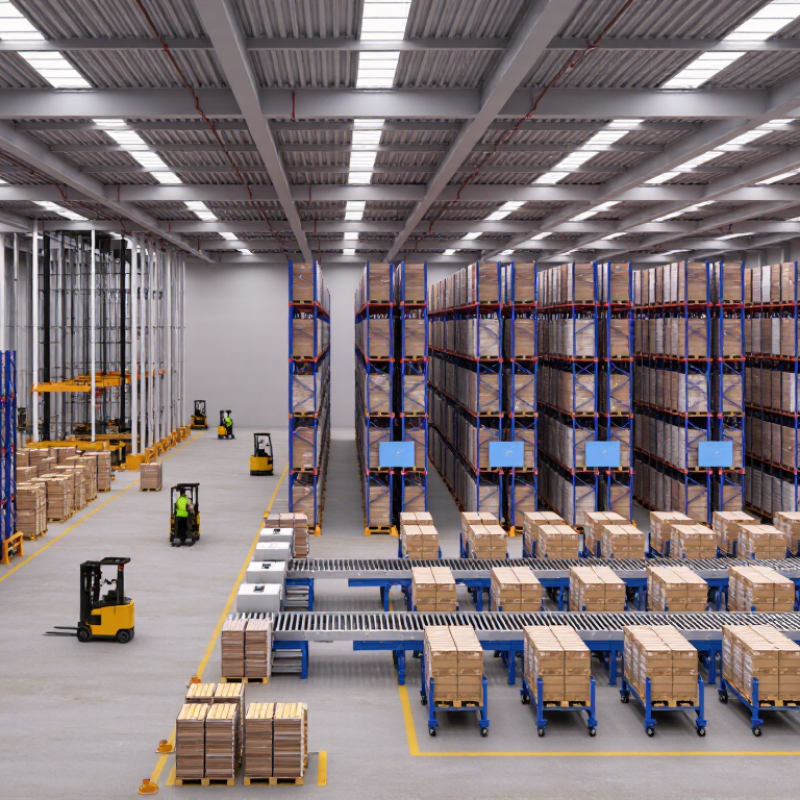
What Are the 2026 Top Pallet Storage System Types?

What Defines a Pallet Storage System in 2026

What Defines a Pallet Storage System in 2026

A pallet storage system is more than steel frames arranged in warehouse aisles. It combines load-bearing equipment, layout planning, safety controls, and inventory visibility. In practical terms, the system must support pallet weight, handling speed, product shape, and available building height. A 1.2-meter pallet may require different clearances from a fragile carton pallet. Small details matter.

Modern systems increasingly connect storage locations with warehouse management software. Sensors can record movement, occupancy, and unusual impacts. Operators can then identify blocked aisles or overloaded beams earlier. However, automation does not remove human responsibility. A trained supervisor still needs to check damaged uprights, loose connections, and unclear labels. Technology helps, but it can also create false confidence.

Flexibility is another defining feature in 2026. Adjustable beams, modular layouts, and adaptable aisle widths help warehouses respond to changing inventory. Fire protection, ventilation, floor capacity, and regional safety requirements must shape the design. I have seen efficient layouts fail because workers could not turn equipment safely. The spreadsheet looked perfect.

Reliable pallet storage also depends on regular inspections and accurate records. A system should show its rated capacity clearly at each working area. Maintenance history should be easy to review. Some facilities still treat inspections as paperwork rather than operational evidence. That approach needs reconsideration, especially when products, equipment, or staffing patterns change.

Selective Pallet Racking for Flexible Warehouse Access

What Are the 2026 Top Pallet Storage System Types?

Selective pallet racking remains a practical choice for warehouses handling many stock-keeping units. Its open design gives forklift operators direct access to every pallet position. Access matters. Workers can retrieve one load without moving several others.

A typical layout uses upright frames, horizontal beams, wire decking, and clearly marked aisles. Beam levels can be adjusted as carton sizes change. This flexibility supports mixed inventory, seasonal demand, and frequent product rotation. In daily operations, operators should check beam locks, frame damage, pallet condition, and load labels. Small defects can become expensive disruptions. Measure twice.

Selective racking usually offers lower storage density than drive-in or very narrow aisle systems. However, it can reduce picking delays when products need constant access. A warehouse assessment should compare SKU variety, forklift turning space, ceiling height, and expected inventory growth. Load ratings must match the actual pallet weight, not an optimistic estimate. Clear aisle markings also help separate vehicles from pedestrians.

The system is not perfect. Poor slotting can leave fast-moving goods far from dispatch doors. A plan may look efficient on paper but frustrate operators during a busy shift. Regular observations can reveal these weaknesses. In some facilities, relocating high-frequency pallets to waist-level positions improves handling speed and reduces unnecessary movement. Careful inspections and documented maintenance make the layout more dependable over time.

What Are the 2026 Top Pallet Storage System Types?

Selective pallet racking remains the most flexible option because every pallet position can be accessed directly. Higher-density systems trade some selectivity for better space utilization.

The comparison uses typical warehouse-planning benchmarks. Storage density is indexed against selective pallet racking at 100; actual results vary with pallet dimensions, aisle width, building height, SKU profile, and operating requirements.

High-Density Pallet Storage for Space Efficiency

In 2026, pallet storage decisions are moving toward density without sacrificing safe access. High-density systems reduce wasted aisle space and protect valuable floor area. From warehouse assessments, the best choice depends on pallet turnover, load weight, and product variety. A dense rack can look efficient. It can also slow picking when poorly matched.

Drive-in racking offers deep lane storage for uniform pallets with limited rotation.

It suits cold rooms and seasonal goods. Double-deep racking stores two pallets behind each other, while preserving more selectivity than drive-in layouts.

Push-back racking uses nested carts and supports several pallets per lane. It often balances capacity and access.

Pallet-flow racking uses gravity rollers, making first-in, first-out handling practical for dated products.

Automated high-density systems can use vertical height and precise inventory control. They require reliable software, stable pallets, and trained operators. Clearances matter. Measure beams, forklifts, sprinklers, and walking routes before installation. In one review, a layout gained storage positions but created awkward replenishment traffic. That mistake was not dramatic, but it reduced daily output. Engineers should test peak demand, emergency access, and damaged-pallet procedures. No system is perfect. The right design leaves room for inspection, maintenance, and change. Density should serve the workflow, not dominate it.

Automated Pallet Storage Systems for Faster Operations

What Are the 2026 Top Pallet Storage System Types?

Automated Pallet Storage Systems for Faster Operations

Automated pallet storage systems are changing how warehouses handle heavy inventory. They reduce travel time, improve location accuracy, and support consistent pallet movement. Common options include stacker cranes, pallet shuttles, and automated guided vehicles. Each system suits different storage depths, pallet sizes, and order patterns.

A stacker crane places pallets inside tall racking with precise vertical movement. It can use narrow aisles and operate through long shifts. Shuttle systems move pallets along storage lanes, making deep-lane storage faster. Guided vehicles transport pallets between receiving, storage, and dispatch areas. Sensors check position, load stability, and aisle clearance. Small errors matter.

A reliable design starts with real operating data. Measure daily pallet arrivals, peak dispatch hours, load weights, and required retrieval times. Connect the equipment with warehouse management software and barcode or RFID tracking. Keep clear maintenance access around conveyors, sensors, and charging points. Fire protection and emergency procedures also need early review.

Automation still has weak points. A damaged pallet may stop a lane. Poor master data can send the right product to the wrong location. For this reason, warehouses need manual recovery procedures, trained technicians, and routine inspections. Start with a controlled zone when possible. Watch actual performance for several weeks. Then adjust storage rules, replenishment settings, and staffing plans. Fast equipment cannot fix unclear processes.

How to Choose the Right Pallet Storage System

What Are the 2026 Top Pallet Storage System Types?

Choosing the right pallet storage system starts with product movement, not a catalog picture. Selective racking suits mixed SKUs and frequent forklift access. Drive-in racking increases density for similar pallets. Push-back systems fit medium turnover and limited aisle space. Pallet-flow racking supports first-in, first-out handling. Automated storage and retrieval systems suit high volumes, stable data, and expensive floor space. Each option solves a different warehouse problem.

The MHI 2024 Annual Industry Report identified hiring and retaining qualified workers as a major supply-chain challenge for 55% of respondents. That finding makes automation attractive, but automation does not repair poor inventory records. The 2024 DHL Logistics Trend Radar also places robotics and automation among important logistics trends. Still, a semi-automated design may outperform a fully automated one when demand changes weekly. I have seen layouts look efficient on paper, then lose capacity because forklifts cannot turn cleanly. That detail matters.

Tips: Measure SKU velocity, pallet weight, ceiling height, and aisle clearance before choosing. Keep fast-moving pallets near dispatch doors. Check fire protection, floor loading, rack protection, and inspection access with qualified professionals. Model peak-season volume, not average volume. Leave expansion space. A perfect layout rarely exists. Recheck the decision after three months of real operating data.

FAQS

What defines a pallet storage system in 2026?

It combines racking, layout planning, safety controls, and inventory visibility. It must support pallet weight, product shape, handling speed, and building height.

Why does pallet size affect storage design?

A 1.2-meter pallet may need different clearances than a fragile carton pallet. Small measurement errors can restrict equipment movement.

How does technology improve pallet storage operations?

Software and sensors can record movement, occupancy, and unusual impacts. They may reveal blocked aisles or overloaded beams earlier. Technology is not perfect.

Does automation remove the need for human inspections?

No. A trained supervisor should inspect damaged uprights, loose connections, unclear labels, and unsafe pallets. Human judgment remains necessary.

What makes selective pallet racking useful?

It provides direct access to every pallet position. Operators can retrieve one load without moving several others. Access matters during busy shifts.

What should operators check on selective racking?

They should check beam locks, frame damage, pallet condition, and load labels. Clear aisle markings should separate vehicles from pedestrians. Measure carefully.

When is automated pallet storage suitable?

It may suit tall warehouses, narrow aisles, predictable pallet flows, and long operating shifts. Stacker cranes, shuttles, and guided vehicles serve different needs.

What can cause an automated storage system to fail?

A damaged pallet may stop a lane. Poor inventory data may send the correct product to the wrong location. Fast equipment cannot repair unclear processes.

How should a warehouse prepare for automation?

Measure arrivals, peak dispatch hours, load weights, and retrieval times. Provide maintenance access near conveyors, sensors, and charging points. Start small, perhaps.

How can warehouses keep pallet storage reliable over time?

Display rated capacity at each working area. Record maintenance history clearly. Inspect after inventory, equipment, or staffing changes. Paperwork alone is not enough.

Conclusion

In 2026, a Pallet Storage System is more than a structure for holding goods; it is an integrated solution designed to improve warehouse capacity, accessibility, safety, and operational efficiency. Selective pallet racking remains a flexible choice for facilities that need direct access to individual pallets and frequent inventory changes. For warehouses focused on maximizing available space, high-density storage options can reduce unused aisles and make better use of vertical capacity, although they may provide less immediate access to every pallet.

Automated pallet storage systems are also becoming increasingly valuable for faster, more accurate, and consistent warehouse operations. When choosing the right system, businesses should consider inventory turnover, available floor and ceiling space, load requirements, access frequency, budget, safety procedures, and future growth. The best solution should balance storage density with accessibility while supporting reliable workflows and long-term operational goals.

Seraphina

Seraphina

Seraphina is a dedicated marketing professional with a strong understanding of customer needs, market trends, and strategic brand communication. As a valued member of our company, she brings together creative thinking, data-informed insight, and practical industry knowledge to develop meaningful......