Blog
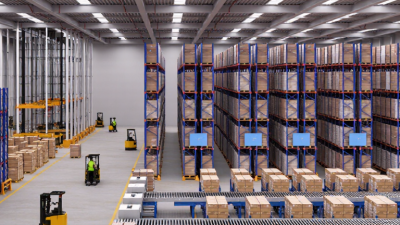
What Are the 2026 Top Pallet Storage System Types?
As warehouses prepare for 2026, pallet storage decisions are becoming more detailed and less predictable. A single layout rarely serves every product, order profile, or building constraint. The right Pallet Storage System must balance capacity, access, safety, labor, and future change.
This guide examines the leading pallet storage system types expected to shape modern warehouses. Selective pallet racking remains practical for mixed stock and frequent picking. Drive-in racking can increase density, especially for uniform products with limited stock rotation. Push-back racking offers deeper storage while preserving better access than drive-in designs. Pallet flow systems support first-in, first-out movement, making them useful for dated goods. Double-deep racking may improve space use, but it can reduce immediate access. Automated storage and retrieval systems also deserve attention where labor costs, accuracy, and throughput justify their investment.
Real warehouse experience shows that density alone does not guarantee efficiency. A tightly packed aisle may look impressive, yet create delays during replenishment. Forklift turning space, pallet weight, rack height, and fire protection requirements also influence the final choice. Even strong recommendations need testing.
Conditions change.
The best system in 2026 may not be the newest one. It may be the design that fits current workflows while allowing measured expansion. This overview compares each option through practical criteria, including storage density, selectivity, installation complexity, operating cost, and suitability for different inventory patterns. Some conclusions will remain conditional, because warehouse performance depends on real movement data, not attractive specifications alone.
Read more »
 By:Seraphina
- October 26, 2026
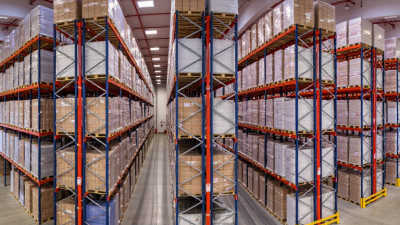
2026 Top Pallet Storage Racks for Global Warehouses
In 2026, warehouse operators face tighter footprints, faster order cycles, and higher expectations for inventory accuracy. Pallet Storage Racks remain a practical foundation for storing boxed goods, raw materials, and finished products safely. Yet the best system is rarely the tallest or cheapest option. It must fit the building, equipment, product profile, and daily handling routine.
This guide examines leading pallet storage racks for global warehouses, using criteria drawn from warehouse engineering practice and supplier specifications. We consider load capacity, beam adjustment, aisle width, forklift compatibility, corrosion protection, inspection access, and installation quality. Real performance also depends on floor flatness, pallet condition, seismic needs, fire protection, and local safety requirements. A rack that looks efficient on a drawing may slow operators beside a busy loading dock.
Small details matter.
For example, a 100-millimeter clearance error can affect forklift movement and product protection. Selective racks may support excellent access, while double-deep, drive-in, or very narrow aisle designs can improve density under suitable conditions. No ranking is perfect. Warehouse data changes, and supplier claims still require verification. We encourage readers to compare tested capacities, maintenance support, replacement lead times, and documented installation methods. Photos from working facilities can help, but they cannot replace a site survey or competent structural review. Some recommendations here may need refinement as automation, energy costs, and storage patterns evolve. That uncertainty deserves attention, not concealment. The goal is a clear, evidence-informed starting point for safer, more adaptable warehouse decisions in 2026.
Read more »
 By:Elliot
- October 21, 2026
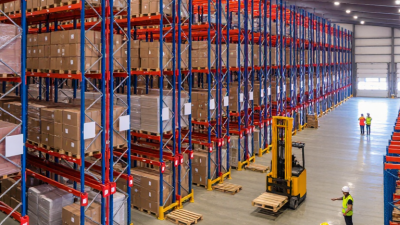
How to Choose the Right Pallet Storage Racking System?
Choosing the right Pallet Storage Racking System begins with the warehouse floor, not a product catalogue. Every facility has different loads, aisles, ceiling heights, forklifts, and picking rhythms. A system that works in a food warehouse may fail in an automotive parts facility.
Dr. James A. Tompkins, a respected warehouse design authority, once stated, “The warehouse is not a building; it is a process.” That principle remains practical. Racking must support how goods enter, move, wait, and leave. A simple site walk can reveal important details, such as damaged pallets, narrow turning points, uneven floors, or stock that sits untouched for months.
The right choice depends on more than maximum capacity. Consider pallet dimensions, load weight, access frequency, inventory rotation, fire protection, and future expansion. Selective pallet racking offers direct access to every pallet. Drive-in racking improves density but reduces selectivity. Push-back and pallet flow systems can support faster movement, yet they require careful planning.
Measure twice.
Real warehouses are rarely perfect. Inventory records may be incomplete. Forklift routes may change after installation. I have seen designs look efficient on paper but create congestion near dispatch doors. That is why a reliable assessment should combine engineering calculations, operator feedback, and a physical trial where possible.
This guide explains how to compare storage density, accessibility, safety, durability, and total cost. It also considers the details that are easy to overlook. The best Pallet Storage Racking System is not always the one holding the most pallets. It is the one that supports safe, predictable, and adaptable warehouse operations.
Read more »
By:Elliot
- October 15, 2026
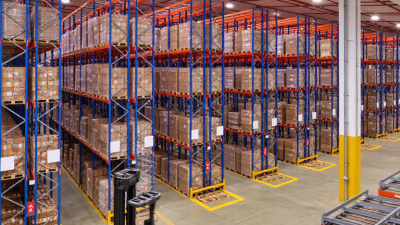
What Are the 2026 Top Pallet Rack Systems?
The search for the 2026 top Pallet Rack Systems begins with warehouse reality, not glossy product claims. A 30-foot ceiling, narrow aisles, mixed pallets, and frequent forklift traffic demand different solutions. Selective racks still offer direct access. Drive-in racks can increase density. Push-back and pallet-flow systems may improve throughput when inventory rotation matters.
Recent industry evidence supports a more careful comparison. The MHI Annual Industry Report 2025 identifies continued investment in automation, real-time data, and warehouse productivity. Grand View Research also reports steady growth in the global warehouse racking market, driven by e-commerce, distribution expansion, and space pressure. However, market growth does not prove that every automated or high-density system fits every facility. That assumption needs challenging.
John J. Bartholdi III, co-author of Warehouse & Distribution Science, states, “The fundamental objective in warehouse design is to minimize the cost of moving material.” This principle remains useful in 2026. It connects rack selection with travel distance, labor time, safety, and order accuracy. A system that stores more pallets may still perform poorly if operators queue at congested aisles.
This guide compares the leading Pallet Rack Systems for capacity, accessibility, selectivity, installation complexity, and long-term value. It considers practical details, including beam loading, upright protection, pallet dimensions, fire-sprinkler clearance, and inspection routines. Data sources differ in scope. Some rankings remain imperfect. Real warehouse measurements should have the final word.
Read more »
By:Seraphina
- October 15, 2026

10 Pallet Racking Tips for Global Buyers?
For global buyers, Pallet Racking is not merely a steel storage product. It is a safety system, a workflow decision, and a long-term investment. The right design must match pallet dimensions, load weights, forklift movement, warehouse height, and local operating conditions. A beautiful quotation can still hide costly weaknesses.
Warehouse safety consultant David E. Mulcahy offers a practical warning: “A rack is only as safe as its weakest connection, load, or decision.” That principle deserves attention. Buyers should verify beam capacity, upright protection, anchoring requirements, corrosion resistance, and installation quality. They should also request clear drawings, inspection guidance, replacement-part information, and realistic delivery schedules. Small omissions become expensive later.
Global procurement adds more uncertainty. Product names may sound identical, while steel grades, testing methods, and tolerances differ. Some suppliers communicate well before payment, then respond slowly after shipment. That should make buyers pause. Experience suggests that the cheapest offer is rarely the complete cost. Freight, unloading equipment, customs documentation, installation, training, and future expansion all matter.
This guide presents ten practical Pallet Racking tips for international buyers. It considers safety, specifications, supplier credibility, and daily warehouse use. It also recognizes an uncomfortable truth: even experienced teams can approve unsuitable racks when deadlines feel urgent. Measure twice. Ask harder questions. Keep every assumption visible. A careful decision today protects inventory, workers, and cash flow tomorrow.
Read more »
By:Seraphina
- October 15, 2026