0%

Beam Pallet Racking can turn a crowded warehouse into a clear, workable storage plan. But the right system is not chosen by price or photographs alone. Buyers need to match beam capacity, upright frames, pallet dimensions, forklift access, and building height. A mismatch can leave pallets overhanging or aisles too narrow for daily traffic.

Rack Manufacturers Institute (RMI) guidance stresses that rack design must reflect actual loads and operating conditions. A useful buyer’s rule follows: “Choose the rack for the load, the building, and the work.” This is a practical summary, not a verbatim quotation from a named expert. Any published expert quote should be checked against a reliable source.

This guide compares seven Beam Pallet Racking options for global buyers, from selective layouts to higher-density configurations. It considers storage access, space use, installation needs, and the details that affect daily handling. Think of a forklift turning beneath a low beam, or a pallet sitting unevenly across its supports. Small details matter.

The best system depends on the operation. A fast-moving warehouse may value direct access to every pallet. A facility storing many pallets of the same product may accept less selectivity to gain density. There is no universal winner. Some comparisons also simplify real projects; building conditions, load data, and local engineering review can change the answer. Use these options as a shortlist, then verify specifications with qualified rack-design professionals.
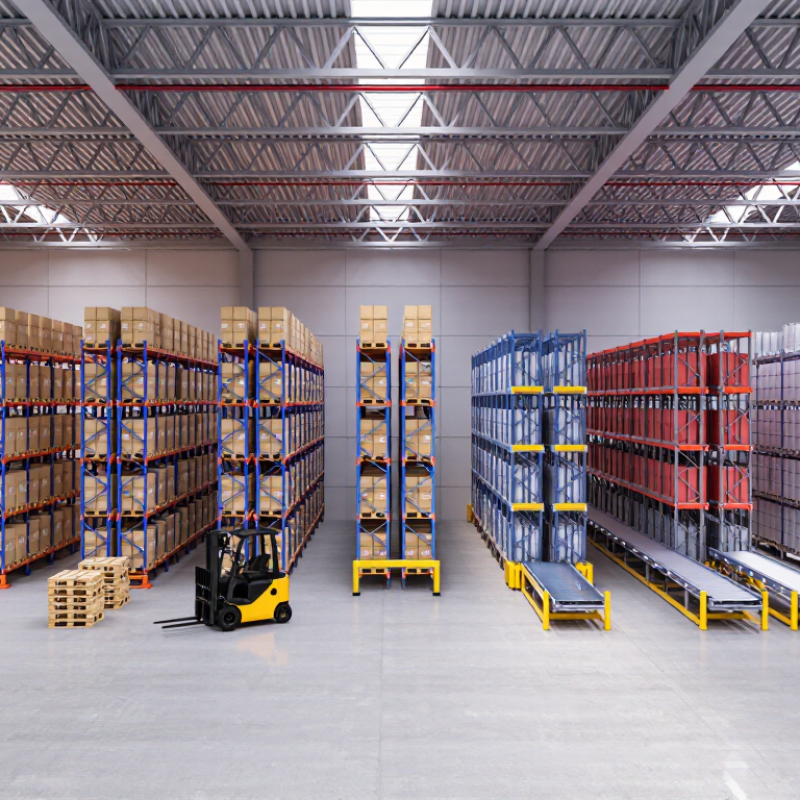
7 Best Beam Pallet Racking Systems for Global Buyers?

What Beam Pallet Racking Is and How It Works

Beam pallet racking is a steel storage system made of upright frames and horizontal beams. The frames form vertical supports, while beams connect them at selected heights. Together, they create open bays where palletized goods can be stored. A forklift usually places each pallet onto a pair of beams, with the pallet resting securely across both. The rack itself does not lift or move goods; it provides organized, accessible storage. Simple, but not trivial.

Beam levels can often be adjusted to suit different pallet heights. For example, a warehouse storing cartons on standard pallets may set lower beams close together, then leave more clearance for taller loads above. Operators retrieve pallets from the aisle, so aisle width and forklift turning space affect how smoothly the system works. Load capacity depends on beam type, upright design, spacing, and how weight is distributed. Follow the rack supplier’s rated limits, and check that pallets sit evenly without overhanging dangerously. Details matter. A layout can look efficient on paper yet feel cramped during daily use. Damaged beams, loose connections, or visibly leaning frames need prompt assessment by qualified personnel.

Main Types of Beam Pallet Racking Systems

Main Types of Beam Pallet Racking Systems

Selective pallet racking is the most common beam system. Each pallet has a direct aisle-facing position, making stock checks and picking straightforward. It suits warehouses with many product lines and regular access needs. Double-deep racking stores pallets two positions deep. It uses floor space more efficiently, but needs a reach truck and makes some pallets less accessible. Narrow-aisle layouts add storage density, though operators need suitable trucks and careful aisle training.

Drive-in and drive-through systems store pallets several positions deep on supporting rails. They work well when a few products arrive in large batches. With drive-in, forklifts enter from one side; drive-through allows access from both ends. Push-back racking uses nested carts, while pallet-flow racking moves loads along inclined rollers. Both improve storage density, but product rotation and load consistency matter. A layout can look efficient on paper and still feel awkward during busy shifts.

Tips: Check pallet dimensions, load weight, forklift turning space, and floor condition before choosing a system. Walk the proposed aisles with operators. Fast access matters. So does safe clearance. Real warehouse traffic may differ from the plan, and that is worth reviewing before installation.

7 Best Beam Pallet Racking Systems for Global Buyers: Operating Faces per Lane

A practical comparison of the loading and retrieval ends used in common rack configurations.

Selective, double-deep, drive-in, push-back, and mobile systems typically use one operating face per lane. Drive-through and pallet-flow systems typically use separate loading and retrieval ends to support FIFO movement. Actual layouts depend on the rack design and warehouse operation.

Seven Racking Systems for Different Warehouse Needs

Selective pallet racking suits warehouses handling many product lines, because every pallet remains directly accessible. Double-deep racks increase storage density but require compatible reach trucks and reduce immediate access. Drive-in systems fit large batches of similar goods; drive-through layouts support loading from one end and picking from the other. Push-back racks use inclined carts for several pallet positions, while pallet-flow racks use gravity rollers for first-in, first-out rotation. Mobile racks move on powered bases to save aisle space, though they add mechanical complexity. Seven options. Different trade-offs.

MHI’s 2024 Annual Industry Report found that 55% of surveyed supply-chain professionals planned to increase technology investment. That figure is not a rack-performance measure, but it underscores the value of assessing equipment compatibility and future automation needs. A dense layout can look efficient on paper, yet narrow aisles may slow replenishment or complicate access. Measure pallet dimensions, load weights, forklift turning paths, and peak inventory before choosing. Small details matter.

Tips: Match rack type to stock rotation, not just floor-space targets. Check slab capacity and obtain a qualified structural review before installation. Keep it practical. No layout wins everywhere. One overlooked beam clearance can create daily friction, so test a marked aisle with the actual truck and load before committing.

Key Factors for Comparing Global Racking Suppliers

When comparing global beam pallet racking suppliers, look beyond quoted price and advertised capacity. Ask for load tables that match your actual beam lengths, pallet weights, and upright configurations. A rating for one setup does not automatically apply to another. Details matter.

Request dimensioned drawings and written confirmation of the proposed layout before ordering. Check steel specifications, weld quality controls, and how the supplier inspects finished components. Ask for evidence. Clear documentation helps your local engineer verify the design against applicable building and safety requirements. Confirm what installation guidance, replacement parts, and warranty support are available in your region. Response times matter when a damaged connector or beam delays warehouse operations.

Shipping distance, packaging, and delivery terms can change the real project cost. Ask how components are protected from moisture and impact, and whether shipments arrive labeled for efficient assembly. Speak with customers who operate similar facilities, not only those with similar rack heights. A polished quotation can still leave gaps. I would also compare how suppliers handle changes after approval; warehouse plans often shift, and revisions can expose unclear responsibilities. No comparison sheet catches everything, but recording assumptions makes surprises easier to spot.

Safety, Installation, and Compliance Considerations

Beam pallet racking may look straightforward, but safety depends on matching each bay to its real load. Check pallet weight, beam capacity, upright ratings, and the condition of the floor slab. A clear load notice helps operators avoid overloading, especially when pallet sizes vary. Small details matter. Add column guards where forklifts turn, and keep aisles free of stored goods.

Installation should follow the rack supplier’s drawings and site conditions. A qualified installer can verify anchoring, frame alignment, beam locks, and required clearances. After assembly, inspect for leaning uprights, loose connections, or damaged components before loading. Compliance requirements differ by location and building use. Confirm applicable structural, fire, and workplace rules with local professionals; one checklist may not cover every site. Keep installation records and schedule regular inspections, particularly after impacts or layout changes.

Tips: Mark damaged parts and unload affected bays until they are assessed. Train operators to report collisions, even when damage seems minor. Keep records. A rushed handover can leave unclear load limits, so review them with the warehouse team.

FAQS

What is selective pallet racking best suited for?

It gives each pallet direct aisle access. This suits warehouses with many product lines and frequent stock checks.

How does double-deep racking improve storage?

It stores pallets two positions deep and uses floor space efficiently. A reach truck is needed, and some pallets are harder to access.

What should operators consider with narrow-aisle layouts?

They need suitable forklifts and careful aisle training. Denser storage can come with tighter turns.

When are drive-in or drive-through systems useful?

They suit a small number of products stored in large batches. Drive-in access is from one side; drive-through access is from both ends.

How do push-back and pallet-flow systems move pallets?

Push-back systems use nested carts. Pallet-flow systems use inclined rollers, so product rotation and consistent loads matter.

What should be checked before choosing a racking layout?

Measure pallet dimensions and weights, forklift turning space, and floor condition. Walk the planned aisles with operators. Real traffic can surprise you.

Which documents should a supplier provide?

Request load tables for your actual beam lengths, pallet weights, and upright setup. Ask for dimensioned drawings and written layout approval.

How can buyers compare suppliers beyond price?

Check steel specifications, weld quality controls, inspections, regional support, replacement parts, and warranty terms. Details matter.

What can affect delivery costs and warehouse assembly?

Shipping distance, packaging, and delivery terms can change the total cost. Ask about moisture protection and clearly labeled components.

Why review changes after a layout is approved?

Warehouse plans often shift, and responsibilities may become unclear. I might still miss an assumption, so record them before ordering.

Conclusion

This article explains how Beam Pallet Racking stores palletized goods on horizontal beams supported by upright frames, allowing forklifts to access inventory efficiently. It introduces common system types and compares seven configurations designed for different warehouse needs, from operations prioritizing direct access to those seeking higher storage density. The overview helps readers understand how layout, inventory characteristics, handling equipment, and available space can influence the choice of racking system.

For global buyers, the article also outlines practical ways to compare suppliers, including product specifications, material quality, customization options, support, and delivery capabilities. It highlights the importance of planning installation carefully, following applicable safety guidance, checking load limits, and arranging regular inspections. Together, these considerations offer a clear starting point for selecting a suitable racking solution and supporting safe, organized warehouse operations.

Amelia

Amelia

Amelia is a professional marketing specialist with extensive knowledge of the company’s products, services, and customer-focused solutions. Through a combination of market research, strategic planning, and clear communication, she helps audiences understand how the company’s offerings can support......