0%

For global buyers, Pallet Racking is not merely a steel storage product. It is a safety system, a workflow decision, and a long-term investment. The right design must match pallet dimensions, load weights, forklift movement, warehouse height, and local operating conditions. A beautiful quotation can still hide costly weaknesses.

Warehouse safety consultant David E. Mulcahy offers a practical warning: “A rack is only as safe as its weakest connection, load, or decision.” That principle deserves attention. Buyers should verify beam capacity, upright protection, anchoring requirements, corrosion resistance, and installation quality. They should also request clear drawings, inspection guidance, replacement-part information, and realistic delivery schedules. Small omissions become expensive later.

Global procurement adds more uncertainty. Product names may sound identical, while steel grades, testing methods, and tolerances differ. Some suppliers communicate well before payment, then respond slowly after shipment. That should make buyers pause. Experience suggests that the cheapest offer is rarely the complete cost. Freight, unloading equipment, customs documentation, installation, training, and future expansion all matter.

This guide presents ten practical Pallet Racking tips for international buyers. It considers safety, specifications, supplier credibility, and daily warehouse use. It also recognizes an uncomfortable truth: even experienced teams can approve unsuitable racks when deadlines feel urgent. Measure twice. Ask harder questions. Keep every assumption visible. A careful decision today protects inventory, workers, and cash flow tomorrow.
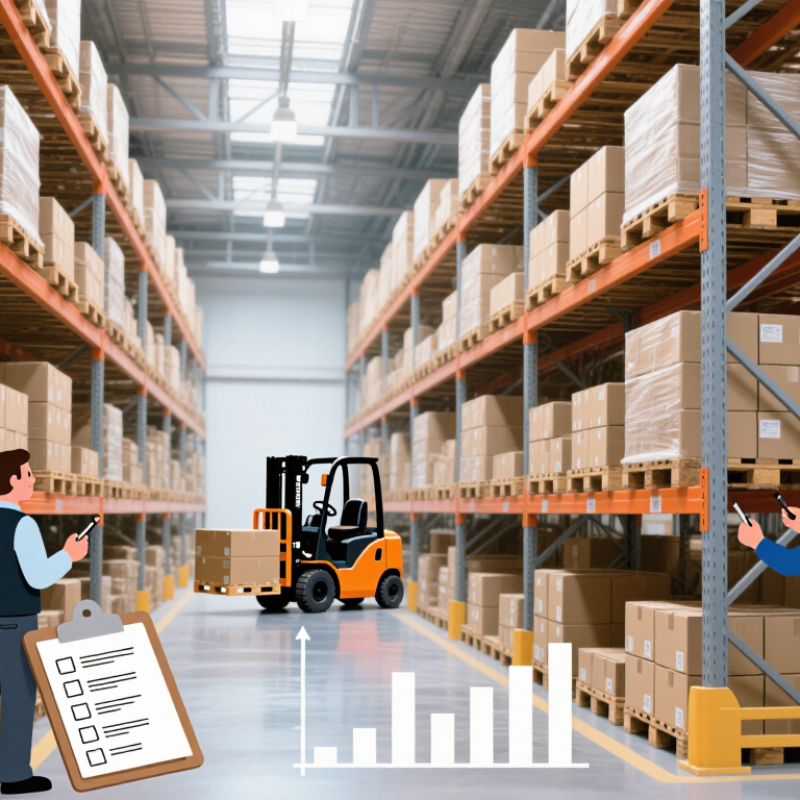
10 Pallet Racking Tips for Global Buyers?

Define Storage Needs, Load Requirements, and Warehouse Constraints

10 Pallet Racking Tips for Global Buyers

Define Storage Needs, Load Requirements, and Warehouse Constraints

A reliable racking plan starts with real storage data, not a rough warehouse sketch. Record pallet length, width, height, and total weight for every product group. Include seasonal stock peaks. They often change the design.

Measure clear ceiling height, aisle width, column positions, doors, sprinklers, and floor levels. A few centimeters can affect beam placement and forklift movement. Leave practical clearance around pallets. Tight layouts look efficient until daily operations begin.

Load requirements need careful checking. Calculate pallet weight, beam capacity, upright capacity, and the number of storage levels. Never treat maximum capacity as a target operating load. Use safety factors recommended by qualified engineers and applicable regional standards. Ask for certified test data and clear installation instructions from the supplier.

Warehouse equipment also matters. A narrow aisle may require a specialized truck, trained operators, and better floor accuracy. Confirm turning radii with an actual vehicle, not a brochure diagram. I once reviewed a layout that fit perfectly on paper. The forklift still clipped a corner during trials.

Consider expansion, relocation, corrosion, temperature, and local maintenance skills. Different countries may use different pallet dimensions and inspection practices. Specify tolerances clearly. Do not assume one specification fits every site.

Small details matter. Load labels should be visible. Damaged frames need immediate assessment. I have seen teams postpone inspections during busy periods. That shortcut still bothers me. A cheaper initial design can create higher handling costs later.

Choose the Right Pallet Racking System and Configuration

Choosing the right pallet racking system starts with your inventory, not the supplier’s catalogue. Select selective racking for many SKUs and direct access. Choose drive-in racking for dense storage with fewer product variations. Double-deep layouts increase density, but they require suitable forklifts and disciplined stock rotation.

MHI’s 2024 Annual Industry Report found that 55% of surveyed companies planned to increase supply chain technology investment. This supports flexible racking designs with barcode locations, sensors, and warehouse management integration. However, technology cannot correct poor measurements. Record pallet dimensions, load weights, aisle widths, ceiling height, and forklift turning radius before requesting a quotation.

Tips: Keep the heaviest pallets on lower beams. Check beam deflection and upright capacity against local engineering requirements. Leave clearances around sprinklers, lighting, doors, and emergency routes. Do not assume one configuration fits every warehouse zone.

For global buyers, confirm whether the design follows recognized standards such as ANSI MH16.1 or relevant EN requirements. Ask for stamped drawings, load tables, material certificates, and installation procedures. OSHA guidance also emphasizes protecting racks from vehicle impact and maintaining safe working conditions. A practical warning: the cheapest quotation may omit anchors, guards, installation, or future expansion. I have seen “complete” layouts fail during a simple forklift trial. Recheck the details on the warehouse floor.

Verify Global Safety Standards, Materials, and Supplier Credentials

10 Pallet Racking Tips for Global Buyers

Verify global safety standards, materials, and supplier credentials before comparing prices. EN 15635, ANSI MH16.1, and AS 4084 address different regional requirements. A compliant design should match local seismic, fire, loading, and installation conditions. OSHA reports about 85 annual forklift fatalities and 34,900 serious injuries in the United States. Rack damage can turn a busy aisle into a dangerous zone quickly. Ask for structural calculations, load plaques, welding records, and inspection procedures.

Tip 1: Confirm which standard governs your warehouse.

Material evidence matters more than polished brochures. Request steel mill certificates, grade details, yield strength, coating thickness, and traceability records. Independent testing should verify weld quality and protective finishes. ISO 9001 supports process control, but it does not prove that a rack design is safe. That distinction is often missed.

Tip 2: Audit documents against delivered components.

Supplier experience needs practical verification. Review comparable installations, engineer qualifications, insurance coverage, and after-sales inspection support. Ask how the supplier handles damaged frames, altered beam levels, and replacement parts. The ILO’s 2023 safety report recorded nearly three million annual work-related deaths globally, highlighting the cost of weak controls. Documentation can still contain gaps.

Tip 3: Inspect one sample bay before approving a full shipment.

Plan Shipping, Installation, and Local Compliance Requirements

10 Pallet Racking Tips for Global Buyers

Plan Shipping, Installation, and Local Compliance Requirements

Confirm pallet dimensions, load weights, and rack quantities before requesting freight quotes. Leave space for protective packaging and moisture control during ocean transport. Ask the supplier for packed dimensions, gross weight, and container loading drawings. Small measurement errors can create costly delays. Choose corrosion-resistant finishes when shipments face humid ports or long storage periods. Label every bundle clearly, including project code, level number, and installation sequence.

Check local building rules before production starts. Requirements may cover seismic anchoring, fire protection, aisle widths, floor capacity, and emergency access. A local engineer should review calculations and stamped drawings where required. Do not assume one country’s approval transfers to another. It usually does not. Request structural calculations, material specifications, welding records, and inspection documents. Keep digital and printed copies for customs officers, installers, and site auditors.

Plan installation around local labor skills and available lifting equipment. Confirm whether installers need certification or site-specific training. Inspect the concrete floor before anchoring; uneven slabs can affect alignment and stability. Use torque records and photographic evidence during assembly. Arrange an independent inspection before loading pallets. Recheck beam locks, anchors, upright damage, and signage after the first week. Some plans look perfect on paper, yet loading patterns change onsite. Build in spare components, because one missing connector can stop an entire aisle.

Compare Total Costs, After-Sales Support, and Future Expandability

10 Pallet Racking Tips for Global Buyers

Compare total cost, not only the quoted steel price. Include engineering, inland freight, duties, unloading, installation, inspections, and future relocation. MHI’s 2024 Annual Industry Report found that 83% of supply-chain leaders view technology as a competitive advantage. That advantage disappears when a low quote creates costly downtime. Request a landed-cost worksheet with clear assumptions. Check beam capacity, pallet dimensions, floor loading, and local installation rates. A cheap rack can become expensive quickly.

After-sales support deserves the same scrutiny. Ask for warranty limits, replacement-part locations, response times, inspection procedures, and technician coverage near your warehouse. Require load signs, assembly drawings, maintenance guidance, and staff training. MHI also reported that 55% of organizations planned to increase technology investment, suggesting support requirements will keep evolving. A supplier that cannot explain post-installation service may not support future changes. This is often missed.

Future expandability should be tested on paper. Confirm compatible beam lengths, upright profiles, bay spacing, accessories, and corrosion protection. Leave practical space for extra rows, safer aisles, and changing pallet sizes. Request a phased layout, spare components, and a five-year expansion estimate. Incomplete site data can distort every comparison. Recheck it. A small design compromise today may force major dismantling later. That risk is easy to underestimate.

FAQS

How should I choose a pallet racking system?

Start with inventory, not a catalogue. Selective racking suits many product types and direct access. Dense systems suit fewer product variations. Your warehouse may need mixed configurations.

When is drive-in racking suitable?

Drive-in racking supports high-density storage with limited product variation. It reduces aisle space but limits individual pallet access. Stock rotation requires discipline. Do not use it blindly.

What information should I measure before requesting a quotation?

Record pallet length, width, height, and weight. Measure aisle widths, ceiling height, floor capacity, and forklift turning radius. Mark sprinklers, lights, doors, and emergency routes. Small errors become expensive.

How can double-deep layouts affect warehouse operations?

Double-deep layouts increase storage density. They require suitable forklifts and careful stock rotation. Check reach limits before approval. A drawing is not a forklift trial.

Where should heavy pallets be stored?

Place the heaviest pallets on lower beams. Check beam deflection and upright capacity against local engineering requirements. Protect racks from vehicle impact. Leave safe clearance around building services.

What documents should an international buyer request?

Request stamped drawings, load tables, material certificates, and installation procedures. Confirm compliance with recognized local or international requirements. Require clear load signs and assembly instructions. Missing documents deserve attention.

How should I compare different quotations?

Compare landed cost, not only steel price. Include engineering, inland freight, duties, unloading, installation, inspections, and relocation. Ask for clear cost assumptions. A cheap quotation can become costly quickly.

What after-sales support should I check?

Ask about warranty limits, spare-part locations, response times, inspections, and technician coverage. Require maintenance guidance and staff training. Confirm who handles damaged beams after installation. This detail is often missed.

How can I prepare the racking system for future expansion?

Confirm compatible beam lengths, upright profiles, bay spacing, accessories, and corrosion protection. Request a phased layout and spare components. Reserve space for safer aisles and different pallet sizes. I might still underestimate future changes.

Conclusion

For global buyers, selecting the right Pallet Racking system begins with a clear understanding of storage needs, product dimensions, load requirements, and warehouse limitations. Consider available floor space, ceiling height, forklift access, inventory turnover, and the types of pallets being stored. These factors will help determine the most suitable racking configuration, such as selective, drive-in, or adjustable systems, while supporting efficient operations and future changes in inventory.

Before purchasing, verify the system’s materials, manufacturing quality, safety features, and supplier credentials against applicable international and local requirements. Buyers should also plan transportation, customs documentation, installation, staff training, and site-specific compliance in advance. A complete cost comparison should include the equipment, shipping, installation, maintenance, spare parts, and after-sales support rather than focusing only on the initial price. Choosing a flexible solution with reliable technical assistance and room for expansion can improve warehouse safety, efficiency, and long-term value.

Seraphina

Seraphina

Seraphina is a dedicated marketing professional with a strong understanding of customer needs, market trends, and strategic brand communication. As a valued member of our company, she brings together creative thinking, data-informed insight, and practical industry knowledge to develop meaningful......