EN 15512 / CE Certified Industrial Manufacturing

CE Certified Carton Flow Rack System Manufacturers & Factories

Precision-Engineered Gravity Bed Roller Tracks, High-Density Dynamic FIFO Storage, and Direct OEM/ODM Logistics Racking Solutions Since 2001

Direct-from-Factory Storage Equipment

Industrial Dynamic & Static Racking Systems

Explore our heavy-duty warehouse storage portfolio engineered for high-throughput fulfillment, split-case picking, cold-chain preservation, and automated logistics facilities.
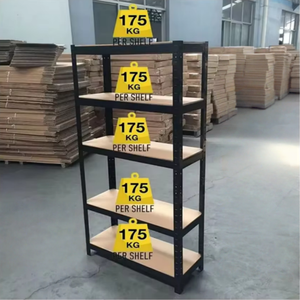
Boltless Assembly 5 Tier Boltless Shelving Heavy Duty Rack Workshop Storage Rack Metal Shelves Garage Shelving Unit Opbergrek

5 Tier Boltless Shelving Heavy Duty Rack Workshop Storage Unit

  • Capacity: 175–300 kg / level
  • Finish: Electrostatic Powder Coated
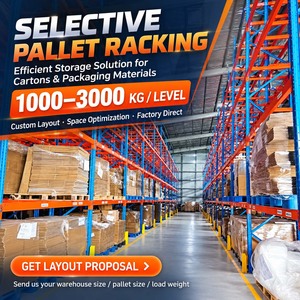
Heavy Pallet Conventional Steel Pallet Racks for Forklift Access in Industrial Warehouses

Conventional Steel Pallet Racks for Forklift Access Industrial Warehousing

  • Certified: CE EN 15512 Standards
  • Load: Up to 4,500 kg / pair beam
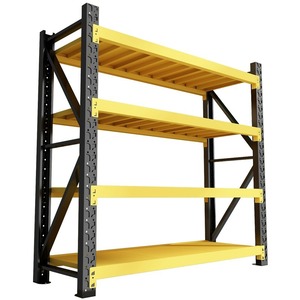
Adjustable 300KG Boltless Adjustable Heavy Duty Load-Bearing 300kg/Layer Iron 4-Layer Industrial Storage Shelf Racking System

Boltless Adjustable Heavy Duty 300kg/Layer Industrial Shelf System

  • Construction: Q235B Cold-Rolled Steel
  • Assembly: 100% Clip-in Structure
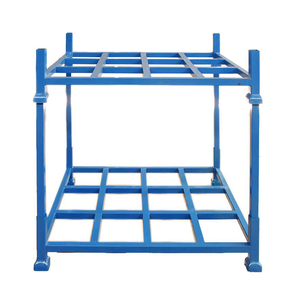
Galvanized Good Quality Factory Direct Customized Adjustable Detachable Durable Commercial Galvanized Post Storage Pallet Stacking Rack

Customized Detachable Galvanized Post Pallet Stacking Rack

  • Stacking: 4–6 Tiers Dynamic Nesting
  • Treatment: Hot-Dip / Cold Galvanized
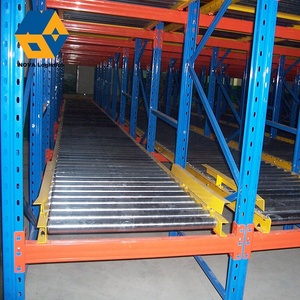
Gravity Pallet NOVA Warehouse Storage Steel Gravity Flow Rack, Heavy Duty Gravity Pallet Racking

Heavy Duty Steel Gravity Pallet Flow Racking Live FIFO Storage

  • Flow Speed: 0.15–0.30 m/s Braked
  • Density: 65% Higher than Selective
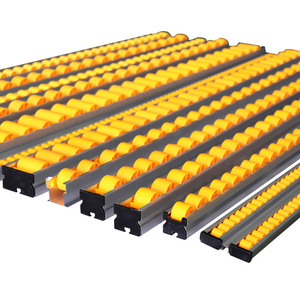
Carton Flow Track Gravity Flow Rail Roller Track PE ABS Wheel 200KG Load Carton Flow Rack FIFO Storage Sliding Shelf for Warehouse

Gravity Roller Track PE/ABS Wheels 200KG Carton Flow FIFO Rack

  • Tracks: High-Impact Engineering ABS/PE
  • Pitch: 18mm / 28mm / 35mm Variable
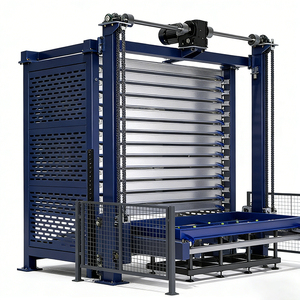
AS/RS Integrated Automated Storage and Retrieval System Intelligent Vertical Sheet Metal Warehouse Storage Shelving

Automated Storage & Retrieval System Vertical Intelligent Shelving

  • Interface: WMS / WCS PLC Integrated
  • Retrieval: Microsecond Crane Dispatch
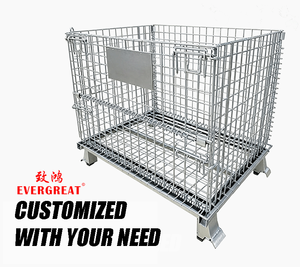
Steel Storage Cage A/B/C Sizes Heavy-duty Steel Warehouse Storage Carts Foldable Collapsible Forklift Pockets Shelving Tool Iron Cages Wholesale

Foldable Steel Warehouse Storage Cages Heavy-Duty Pallet Carts

  • Utility: Integrated Forklift Pockets
  • Foldability: 4:1 Volume Compression
Engineering White Paper

The Mechanics of High-Density Dynamic FIFO Carton Flow

A critical analysis of gravity-fed live carton storage architecture, structural safety conformity under European standard EN 15512, and mechanical optimization for global distribution centers.

Modern distribution complexes, third-party logistics (3PL) fulfillment hubs, and automated manufacturing consolidation centers face compounding pressure: escalating square-meter land costs, rapid SKU proliferation driven by multichannel commerce, and acute workforce bottlenecks. In this operational context, traditional static shelving introduces unacceptable travel distances, picking errors, and congestion at pick faces.

A Carton Flow Rack System—often designated as a live carton storage system or dynamic gravity roller bed—mitigates these failure points by utilizing slightly inclined wheel or roller tracks situated across tiered structural framework. Operating on an autonomous gravity gradient (typically configured between 2.5° to 5.0° inclination), goods placed in plastic totes, corrugated bins, or rigid cardboard cartons automatically advance from the rear replenishment aisle (charging side) to the forward retrieval aisle (picking side). This establishes flawless, tamper-proof First-In, First-Out (FIFO) stock rotation without requiring motor drives or hydraulic auxiliary power.

Core Structural Modules of a Certified Flow System

To qualify for structural certification under stringent European Construction Products Regulation (CPR) and safety frameworks such as EN 15512, EN 15620, and FEM 10.2.02, an enterprise carton flow system relies on meticulously calculated components:

Continuous Roller Beds & Flanged Wheels

Equipped with ultra-low friction, high-impact polyethylene (PE) or virgin acrylonitrile butadiene styrene (ABS) cylindrical wheels mounted on continuous zinc-plated cold-formed steel profiles. Axles are precision-spaced (typically 18mm, 28mm, or 36mm centers) to prevent box sagging and maintain predictable gliding speeds between 0.15 m/s and 0.25 m/s.

Adjustable Tilt Shelving & Ergonomic Trays

Pick-face presentations can feature integrated knuckle-down discharge trays (drop angles of 15°–20°), presenting open cartons directly into the picker's line of sight. This ergonomic design reduces wrist flexion, prevents thoracic strain, and cuts order-picking cycle times by up to 40% compared to deep-reach static bin shelving.

Rigid Full-Depth Lane Guides & Stops

Precision cold-rolled galvanized steel track separators isolate adjacent SKU channels, preventing product skewing, lane bridging, and box jam-ups over 3 to 10-meter deep runs. High-tensile steel front stops absorb mechanical impact when cartons reach terminal rest, protecting warehouse staff from falling items.

Comprehensive Technical Evaluation

System Parameters, Metallurgy & Performance Metrics

Direct comparative benchmarks detailing load classes, structural resilience, space utilization efficiency, and capital deployment return on investment (ROI).

Evaluation Parameter Carton Flow Dynamic Bed Conventional Static Shelving Live Pallet Gravity Flow Radio Shuttle High-Density
Primary Unit Load Totes, Cartons, Bins (2–40 kg) Loose items, Light Cartons (<50 kg) Unitized Pallets (300–1,500 kg) Standard Unit Pallets (500–2,000 kg)
Stock Rotation Rule Strict FIFO (100% Gravity Driven) LIFO / Random Access (Manual) Strict FIFO (Gravity Incline) FIFO or LIFO (Software Selectable)
Floor Footprint Savings 40% to 60% Reduction Baseline Reference (0% Saved) 50% to 65% Reduction 65% to 75% Reduction
Typical Gradient Angles 2.5° to 4.5° (Custom Calibrated) 0.0° (Horizontal) 1.8° to 3.5° (Heavy Rollers) 0.0° (Motorized Shuttle Tracks)
Order Picking Efficiency High (Up to 350 picks/operator/hr) Low (80–120 picks/operator/hr) Medium (Bulk Case Replenishment) Automated Batch Output
Capital Payback Horizon 8 to 14 Months Immediate but High OpEx 14 to 24 Months 24 to 36 Months
Structural Conformance CE EN 15512, EN 15620, FEM 10.2 Basic Static Cold-Rolled EN 15635 CE CPR, EN 15512, Seismic A-D CE Machinery Directive 2006/42/EC

Metallurgical Formulation and Advanced Surface Pretreatment

A carton flow rack's operational longevity depends fundamentally on base metal ductility, cold-forming accuracy, and anti-corrosive finishing. We construct our load-bearing upright profiles, stepped longitudinal beams, and roll track chassis using certified Q235B and high-yield Q355B micro-alloyed carbon structural steel.

In environments exposed to severe maritime humidity, ambient condensation, or chemical airborne compounds (common across coastal logistics zones such as Jebel Ali, Jeddah, Dammam, and Southeast Asian ports), standard single-layer paint treatments degrade rapidly, causing micro-flaking and subsurface oxidation that seize roller bearings. To prevent this deterioration, our factory employs a proprietary automated 10-stage preparation sequence:

  • Mechanical Descaling & Degreasing: Total elimination of residual rolling oils, carbon mill scale, and atmospheric particulates.
  • Acid Pickling & Rinse: Controlled chemical baths dissolve microscopic surface oxides down to pure iron crystal boundaries.
  • Zinc-Manganese Phosphating: Generates an insoluble, microscopically crystalline phosphate conversion layer, optimizing steel-to-polymer bonding and blocking galvanic corrosion.
  • Thermosetting Electrostatic Powder Coating: Automated reciprocal guns apply 80 to 120 microns of cross-linked polyester/epoxy powders, followed by high-temperature convection polymerization curing at 180°C–200°C for superior impact, scratch, and chemical resistance.
Strategic Sourcing & Procurement Forecast

Global Procurement Trends: 2025–2030 Intralogistics Transformation

How progressive supply chain executives, industrial architects, and automated distribution designers are restructuring their capital outlays for dynamic live storage systems.

Hybrid AMRs & Flow Bed Symbiosis

Procurement is pivoting away from standalone static equipment toward hybrid ecosystems. Carton flow lanes now serve as gravity buffer bridges between Autonomous Mobile Robots (AMRs) feeding stock at the charging rear and human split-case pickers working the front face, slashing robotic dwell times by 70%.

Scope 3 Carbon Accounting in Steel Sourcing

Global corporate procurement mandates now factor embodied carbon into supplier evaluations. Factory-direct procurement that incorporates scrap-recycled electric arc furnace (EAF) steel and zero-heavy-metal powder coatings gives enterprises verifiable ESG reporting data for LEED and BREEAM industrial certifications.

Rapid Micro-Fulfillment & Urban Nodes

With instant-delivery expectations penetrating retail, operators are building dark stores and urban fulfillment nodes inside constrained commercial footprint limits. High-density, multi-tier carton flow structures maximize vertical ceiling clearance without requiring costly high-bay structural modifications.

Modular Fast-Track Standardization

Tender teams increasingly bypass custom non-standard racking in favor of ISO-modular drop-in roller track cassettes. Standardized widths (spanning 280mm to 400mm) allow distribution operations to dynamically reconfigure lane widths in minutes as packaging designs change.

Innovation Roadmap

Technological Evolutions Shaping Next-Gen Carton Flow

From mechanical engineering breakthroughs to intelligent sensor-guided inventory fulfillment networks.

Zero-Pressure Dynamic Speed Controllers

High-density dynamic lanes carrying fragile merchandise (such as pharmaceutical vials, electronics, and specialty spirits) now incorporate micro-centrifugal internal brake rollers. These units govern carton acceleration, guaranteeing that terminal impact velocity remains below 0.3 m/s regardless of lane length.

Integrated Pick-to-Light (PTL) Architecture

Modern factory runs integrate snap-on extruded aluminum wireways along the front discharge beam. This channel seats plug-and-play Pick-to-Light (PTL) alphanumeric displays and infrared confirmation sensors, cutting operator picking errors to fewer than 1 in 10,000 picks while eliminating paper pick lists.

IoT Weight-Sensing Depletion Telemetry

State-of-the-art flow tracks embed piezoelectric weight sensors along pick-face stop brackets. Real-time telemetry signals warehouse management software (WMS) the exact moment a lane drops below safety buffer thresholds, automatically triggering background restocking before an out-of-stock event occurs.

Enterprise Manufacturing Authority

Guangzhou HEDA Shelves: Global Production Powerhouse

Over two decades of precision manufacturing excellence, engineering turnkey intralogistics systems for the world's most demanding logistics operators.

2001
Established Year
30,000 m²
Modern Production Base
30,000 t
Monthly Steel Output
120+
Countries Exported

Audited European Standard Conformity & Rigorous Quality Control

Procurement engineers and consulting project managers cannot afford safety compromises in high-bay live storage. Guangzhou Heda Shelves Co., Ltd. operates in full compliance with European CE standards, accredited under strict Construction Products Regulation (CPR) protocols, and backed by verifiable international certifications.

  • CE Certified Certificate No. 2435-CPR-8605159 (Load Bearing & Safety Compliance)
  • ISO 9001:2015 Management System No. 18624Q00169R0M (Valid through 2027)
  • RoHS Compliant Lead-Free, Heavy-Metal-Free Non-Toxic Powder Coating Formulations
  • 10,000+ Projects Successfully Delivered Large-Scale Warehouse Sites Across GCC, Europe & Americas

Global Maritime Supply Chain Gateway

Direct factory-to-port export operations provide end-to-end logistics with precision crate bundling, seaworthy anti-moisture wrapping, and itemized sub-component labeling tailored for rapid customs clearance across:

Jebel Ali (UAE) Khalifa Port (UAE) Dammam (KSA) Jeddah (KSA) Hamad Port (Qatar) Shuwaikh (Kuwait) Sohar (Oman)
Technical Advisory

Frequently Asked Questions by Procurement & Engineering Teams

In-depth answers addressing structural validation, flow slope calculations, container deformation, and site compliance regulations.

What precise gradient angle is required to ensure consistent carton flow without runaway acceleration?
The ideal gradient angle typically ranges between 2.5° and 4.0° (approximately a 4% to 7% slope), but it depends on carton base composition, total box mass, and roller wheel friction coefficients. Rigid injection-molded plastic totes glide efficiently at shallower angles of 2.5° to 3.0°. Conversely, standard corrugated cardboard boxes—which are subject to minor bottom deflection under humidity or heavy internal loads—often require 3.5° to 4.5°. Our engineering team conducts physical flow simulations with your specific carton samples prior to finalizing lane fabrication drawings.
How does a carton flow system prevent soft-bottom cardboard containers from sagging and stalling midway?
Cardboard deflection happens when roller spacing is too wide relative to carton weight. To resolve this, our flow tracks use high-density wheel spacing (pitch distances as tight as 18mm or 28mm centers). This distributes the contact area across multiple wheels, ensuring that at least three to four roller axles continuously support the container base at any point along the track. Additionally, for low-grade corrugated packaging, we integrate full-width cylindrical steel gravity rollers in place of individual wheel tracks.
Can carton flow rack beds be retrofitted directly into our existing conventional pallet rack structures?
Yes. Our carton flow beds are engineered for flexible compatibility. Using universal clip-on intermediate cross-hangers and bracket adapters, our roller track beds install directly into standard tear-drop, diamond-slot, or European omega-upright pallet rack frames. This allows operators to run high-density split-case picking across lower accessible beam tiers while maintaining full bulk-pallet reserve storage on upper rack levels.
What structural documentation is provided to satisfy local Civil Defense and fire authority approvals?
Every engineered solution ships with comprehensive CAD floor layouts, static 3D structural models, load certification plaques, and structural calculation reports in compliance with EN 15512 and regional building codes. Our designs preserve required longitudinal and transverse flue spaces, and we supply heavy-duty galvanized wire mesh decking or perforated separator pans to guarantee full water penetration from overhead ESFR fire sprinkler systems without trapping heat.
How do your high-impact polymer wheels and steel roller tracks perform in extreme cold storage environments?
For deep-freeze distribution (down to -30°C), standard ABS wheels can become brittle and fracture. We specify specialized ultra-high-molecular-weight polyethylene (UHMW-PE) wheels formulated with low-temperature cold-crack inhibitors and stainless-steel axle pins. Lubricants are replaced with zero-congealing synthetic fluorinated greases, ensuring smooth, uninhibited rotation without risk of seizing from thermal contraction or condensation ice formation.
What is the certified maximum continuous load capacity per carton flow shelf level?
Standard light-to-medium duty flow levels carry between 100 kg and 300 kg per square meter uniformly distributed load (UDL). For specialized heavy engineering or industrial liquid handling, we manufacture reinforced structural-channel flow beds equipped with continuous cross-ties and heavy-duty steel roller tracks capable of supporting up to 1,000 kg per tier. All beam deflections conform to the strict L/200 maximum limit under full working load.
What lead times and container loading efficiencies can overseas contractors expect for GCC and international ports?
Standard factory production lead times span 15 to 25 business days depending on overall tonnage. Upright frames are shipped semi-knocked-down (SKD), nested alongside bundle-packed beams and stackable roller cassettes to achieve 98% cubic container volume utilization. Standard ocean transit times from our Guangzhou maritime export hub are approximately 14 to 18 days to Jebel Ali and 18 to 22 days to Dammam and Jeddah.
Custom Turnkey Engineering Support

Accelerate Your Fulfillment Speed with a Direct-Factory Carton Flow System

Send our senior engineering team your warehouse architectural CAD plan, container specifications, and target picking throughput. Receive a fully optimized 2D layout, 3D structural rendering, and comprehensive commercial proposal within 24 hours.

Direct access to senior intralogistics engineers • CE & ISO 9001 certified manufacturing • Worldwide export delivery