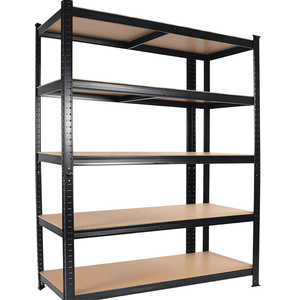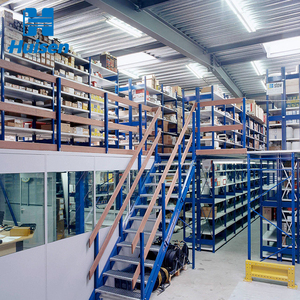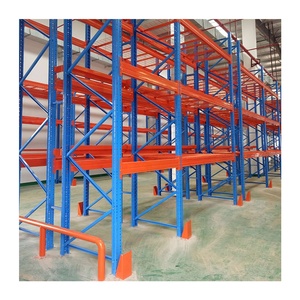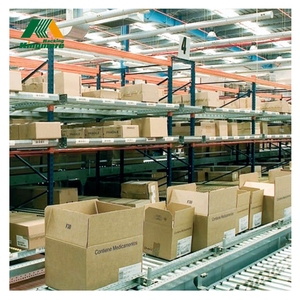
EN 15512 & CE Certified Standard

CE Certified First In First Out Racking System Manufacturers & Suppliers

High-Density Gravity Roller & Pallet Flow Racking Engineered for Flawless SKU Turnover, Uncompromised Safety, and Maximum Cubic Utilization

Engineered Dynamic Storage & Flow Racking Portfolio

Precision-fabricated industrial racking configurations built from certified Q235B structural grade steel. From gravity-fed carton lanes to extreme-density automated shuttle setups, each model delivers guaranteed stock turnover reliability.

30,000 m²
ISO 9001 In-House Facility
30,000 t
Monthly Steel Fabrication
10,000+
Global Warehouses Fitted
EN 15512
CE & FEM Engineering Code

Engineering Fundamentals of CE Certified FIFO Flow Systems

A First In, First Out (FIFO) racking framework moves unitized pallets along a dynamic inclined roller bed via purely passive gravitational force. Understanding the underlying mechanics prevents operational stoppages, pallet hang-ups, and impact degradation.

Calibrated Gravity Roller Gradients

Pallet flow lanes require mathematically calculated gradient slopes (typically 3.0% to 3.5% (approx. 1.7° to 2.0°)). Insufficient gradient causes pallet stalling, while excessive slope leads to runaway kinetic speed. Our precision-engineered brake drums actively restrict travel velocity to a safe maximum of 0.3 m/s regardless of pallet load weight (ranging from 300kg to 1,500kg per position).

Load Separation Separator Clutches

When an operator retrieves the lead pallet from the discharge picking face, the entire upstream column of back-pressure pallets shifts forward. Our CE-certified FIFO channels incorporate automatic pallet separators. This safety mechanism isolates the lead pallet from back-pressure weight until retrieval is entirely completed, eliminating dangerous pinch stresses on lift trucks.

Zero-Waste Date-Coded Rotation

For FMCG, dairy processing, pharmaceuticals, and perishable cold chain facilities, inventory dwell time must strictly follow production batch sequences. Dynamic FIFO channels inherently segregate inbound loading lanes from outbound picking bays, enforcing strict 100% automated stock turnover without requiring manual stock management repositioning.

Comparative Architectural Specs: Dynamic vs. Static High-Density Storage

Evaluating the operational trade-offs across capital expenditure, floor space volumetric efficiency, throughput speeds, and SKU accessibility.

Storage System Type Stock Rotation Floor Space Efficiency Aisle Requirements Forklift Cycle Time Best Suited Operational Profile
FIFO Gravity Pallet Flow 100% Strict FIFO 80% - 85% Density 2 (Dedicated Load/Discharge) Ultra-Rapid (Passive replenishment) Perishable items, high-velocity consumer goods, cold store facilities
Radio Shuttle Automation Configurable FIFO / LIFO 85% - 90% Density 1 to 2 Aisles Semi-Automated Continuous High-volume few SKUs, deep buffer cold staging, beverage manufacturing
Drive-In Racking Strict LIFO 65% - 75% Density 1 Entry Point per Channel Slow (Truck enters rack frame) Homogeneous bulk raw materials, seasonal buffer stocks
Very Narrow Aisle (VNA) 100% Selective FIFO/LIFO 55% - 65% Density Narrow (1.6m - 1.8m guided) Moderate to Fast High SKU variety, full case or split-case high-bay distribution centers

Procurement & Technology Trends in FIFO Warehousing

Modern logistics operations are transitioning from passive metal framework designs to smart, integrated dynamic infrastructure.

1. Sub-Zero Cold-Chain Optimization

With industrial cold storage electrical tariffs escalating globally, compressing refrigerated air volume is a critical operational priority. Modern procurement trends show high demand for high-density FIFO pallet flow within -28°C blast-freeze chambers, which eliminates thermal dissipation by eliminating excess forklift transit corridors.

2. Telemetric IoT Roller Monitoring

Next-generation dynamic flow racking incorporates optical lane sensors and magnetic deceleration rollers. Facilities monitor pallet transit velocity and detect unaligned or damaged bottom runners in real time, preventing in-lane stoppages before they stall the picking run.

3. AGV & AMR Integration at Picking Faces

Pallet flow discharge ends are increasingly designed for autonomous mobile robots (AMRs) and automated counterbalanced AGVs. Standardizing discharge catch plates, structural guide tracks, and automated stop latches allows direct interfacing without human forklift intervention.

Why Partner with Guangzhou Heda Shelves Co., Ltd.

Operating since 2001, Guangzhou Heda Shelves Co., Ltd. has grown from a specialized manufacturing workshop into a globally recognized warehouse solution provider supplying over 120 countries.

Massive Capacity

Our dedicated 30,000 m² factory footprint produces up to 30,000 metric tons of finished industrial racking monthly, ensuring guaranteed delivery timelines on large tender contracts.

Certified Quality

All products hold verified CE Certification (No. 2435-CPR-8605159), ISO 9001:2015 Quality Management compliance (No. 18624Q00169R0M), and RoHS environmental finish testing.

10-Step QC Control

In-house precision cutting, automated roll forming, ultrasonic welding, and dual-stage pickling/phosphating prior to epoxy powder curing guarantee optimal corrosion and impact resistance.

Free Engineering Design

Our senior structural team provides complimentary 2D CAD architectural plans and 3D photorealistic layouts within 24 to 48 hours based on your building clearance and pallet specifications.

Frequently Asked Questions: FIFO Racking Procurement

Essential considerations for warehouse facility managers, logistics consultants, and structural engineers.

What pallet types are compatible with FIFO gravity roller tracks?

Gravity roller flow relies on smooth, consistent physical contact. Solid wooden Euro-pallets (1200x800mm), Industrial GMA pallets (1200x1000mm), and heavy-duty runner-base plastic pallets work exceptionally well. Stringer-notched pallets or uneven softwood crates can sag between rollers and require full-width steel or heavy-duty composite runner support channels.

How does FIFO flow racking handle variable pallet weights in one lane?

Self-regulating centrifugal brake rollers automatically adjust their mechanical resistance based on the rotational forces applied by the moving load. A 400kg pallet experiences light resistance, while a 1,200kg load engages higher braking action, maintaining a steady, controlled travel speed between 0.15 m/s and 0.3 m/s across the entire length of the lane.

What documentation do you provide for local structural and fire safety approvals?

We deliver full engineering submission dossiers containing static load calculations, seismic analysis compliance (per regional building codes), steel chemical mill test certificates, and CAD drawings. These clearly outline sprinkler flue openings (transverse and longitudinal), egress aisle clearances, and CE/FEM conformance marks for submission to local building inspectors and insurance underwriters.

What is the typical lifespan and maintenance routine for dynamic rollers?

HEDA flow tracks utilize sealed precision ball bearings pre-lubricated with high-grade synthetic grease, delivering an operational lifespan exceeding 10 years under continuous usage. Recommended preventative maintenance is limited to bi-annual visual inspections for debris in roller lanes, verifying brake roller responsiveness, and testing end-stop safety separator triggers.

Design Your Custom FIFO Storage Layout with Our Engineering Team

Submit your warehouse architectural blueprint, floor slab specifications, and pallet throughput goals. Our engineering department will generate complete 2D layout drawings and 3D simulations free of charge.

Inquire Now