Precision-Engineered Industrial Steel Shelving Systems
Explore heavy-load warehouse racking engineered from certified Q235B/Q355B structural steel coils, electrostatically powder-coated for exceptional mechanical resilience and long-term corrosion prevention.
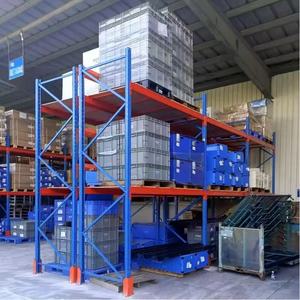
Heavy Duty Metal Pallet 250-1000kg Bulk Stackable Rack
Rigid tubular steel post design with interlocking stack cups. Eliminates aisle space in bulk storage and garage setups while maintaining total cargo structural integrity.
View Specifications →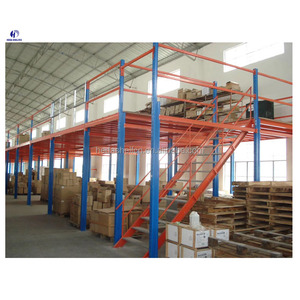
Heavy Duty Industrial Shelving Mezzanine Rack Platforms
Transforms unutilized clear overhead height into productive fulfillment space. Supported directly by heavy-duty shelving columns with galvanized non-slip grating decks.
View Specifications →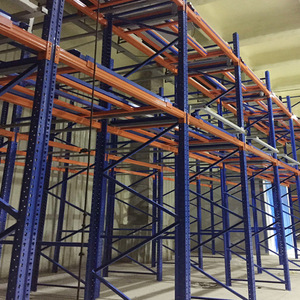
Heavy Duty Radio Shuttle Pallet Racking System Carrier
Ultra-dense pallet channels traversed by smart wireless radio shuttle carts. Eliminates forklift rack collision risks, minimizes turn-around cycle times, and cuts footprint overhead.
View Specifications →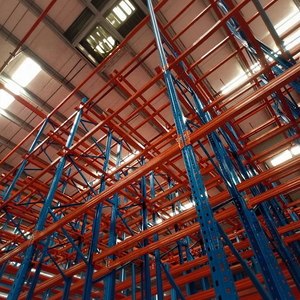
Heavy Duty Single Deep Selective Industrial Pallet Rack
The international baseline for fast multi-SKU logistics operations. Universal beam clip connections with integrated safety locking pins, offering immediate access to each individual pallet position.
View Specifications →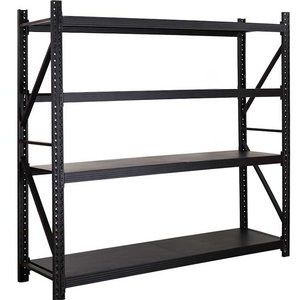
Custom Heavy Duty Pallet Rack System Warehouse Shelving
Tailored frame profiles designed to meet specific slab-load tolerances, seismic zone calculations, and oversized pallet footprints. Engineered with finite element structural analysis.
View Specifications →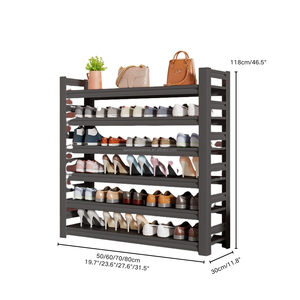
Adjustable Freestanding Corrosion-Resistant Utility Shelving
Flexible freestanding shelving units featuring tool-less clip slots. Ideal for maintenance cribs, automotive workshops, commercial retail backrooms, and light industrial toolrooms.
View Specifications →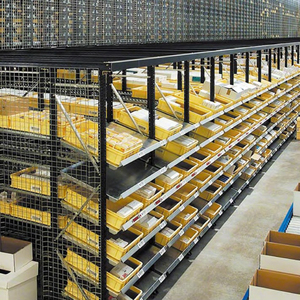
Gravity Flow Carton Flow Dynamic FIFO Live Racking System
High-density dynamic picking racks with durable aluminum alloy roller tracks. Gravity moves cartons autonomously from replenishment aisles to forward picking faces without motorized drives.
View Specifications →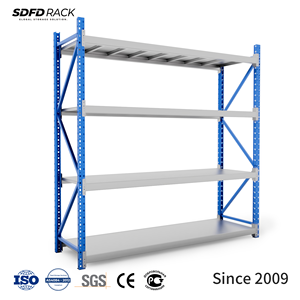
Adjustable Long Span Industrial Steel Shelving (200-500kg)
Designed specifically for fast manual split-case picking in e-commerce fulfillment hubs. Easy span adjustability with heavy drop-in steel deck panels and safety connection brackets.
View Specifications →Metallurgy, Cold-Roll Forming Kinematics & Structural Safety Criteria
In global industrial logistics, industrial steel shelving and pallet racking systems are structural frameworks subject to continuous static dead-loads, variable live-loads, dynamic forklift impacts, and localized seismic actions. Procurement decisions must rely on structural calculations that ensure maximum service life and worker safety.
At our Guangzhou manufacturing base, raw steel selection begins exclusively with certified hot-rolled coils slitted into precision structural steel strips conforming to Q235B (yield strength ≥ 235 MPa) and Q355B (yield strength ≥ 355 MPa) standards (equivalent to European EN 10025 S235JR and S355JR; ASTM A36 and A572 Grade 50). When calculating upright column profiles under European FEM 10.2.02 and EN 15512 design standards, cold-roll forming enhances the tensile properties through work-hardening at profile corners, boosting structural resilience against local and global torsional buckling.
Surface treatment plays a key role in extending service life. Standard air-spray painting often leads to early oxidation, peeling, and progressive rust in humid or coastal climates. Our automated 10-stage finishing system uses a hot immersion bath for alkaline degreasing, ultrasonic water washing, acid pickling to eliminate mill scale, and zinc-phosphate conversion coating. This chemical foundation promotes molecular adhesion for our lead-free, RoHS-compliant electrostatic epoxy-polyester powder coating (cured at 180°C–200°C, reaching a dry film thickness of 60–90 microns), exceeding 500 hours of continuous ASTM B117 salt spray exposure without surface bubbling or corrosion creep.
Certified Q235B/Q355B Steel
Verified chemical composition and tensile strength from major Chinese state-owned steel mills, guaranteeing predictable yield points under peak loads.
10-Stage Surface Treatment
Continuous pickling and phosphating lines remove microscopic surface oxides before electrostatic baking, preventing hidden galvanic corrosion.
Multi-Disciplinary Design
Parametric CAD/CAM and Finite Element Analysis (FEA) model load transfer across upright omega profiles, reducing weight while maximizing capacity.
Global Code Compliance
Fully compliant with international racking codes including European EN 15512, American RMI MH16.1, and Australian AS 4084-2012.
Comparative Performance Matrix of Core Storage Archetypes
Evaluate load dynamics, volumetric efficiency, accessibility ratios, and equipment compatibility across primary industrial shelving and racking frameworks.
| System Classification | Typical Load Capacity | Volumetric Cube Utilization | Pallet Selectivity | Material Handling Handling Equip. | Optimal Industry Application |
|---|---|---|---|---|---|
| Selective Pallet Racks | 1,000 – 4,500 kg / level | 40% – 50% (Standard Aisle) | 100% Immediate | Counterbalance, Reach Trucks | FMCG, 3PL Distribution, General Warehouses |
| Radio Shuttle Racking | 500 – 1,500 kg / pallet | 75% – 85% (Ultra-Dense) | Batch / SKU Channel Dependent | Forklift + Smart Wireless Shuttle | Cold Storage (-25°C), Beverage, Food Production |
| Rack-Supported Mezzanines | 300 – 1,000 kg / m² deck | 100% – 200% Floor Expansion | 100% Manual Hand Picking | Conveyors, Vertical Lifts, Hand Carts | E-commerce Split-case, Auto Spare Parts, Apparel |
| Gravity Carton Flow Rack | 50 – 250 kg / roller lane | 65% – 75% Picking Density | Strict FIFO Rotation | Manual Picker, Pick-to-Light Systems | Pharmaceuticals, Assembly Lines, Kitting Centers |
| Heavy Duty Longspan Shelves | 200 – 800 kg / tier | 50% – 60% Linear Footprint | 100% Direct Manual Access | Manual Loading, Platform Ladders | Hardware, Archive Storage, Maintenance Spares |
Emerging Procurement Trends in Industrial Steel Shelving
Global logistics demands are shifting beyond simple static storage. International buyers are prioritizing automation readiness, carbon tracking, and modular design.
1. AMR & AGV Robotic Interfacing
Modern distribution hubs are phasing out manual forklift travel in favor of Autonomous Mobile Robots (AMRs) and Automated Guided Vehicles (AGVs). This transition requires tighter dimensional tolerances across structural shelving.
- High-precision floor-level beam tolerances (±1.5mm)
- Floor clearance channels optimized for mobile AMR base entry
- Protective impact deflector profiles with optical sensor reflectors
- Integrated track-mounting rails for shuttle systems
2. Decarbonization & Green Steel Audits
With cross-border carbon regulations like the European Carbon Border Adjustment Mechanism (CBAM), enterprise procurement teams now evaluate the embedded carbon footprint of imported steel structures.
- Traceable mill certs tracking electric arc vs blast furnace steel
- Higher-yield Q355B steel reducing raw material volume by 12-18%
- Low-VOC, heavy-metal-free electrostatic powder coatings
- Full component recyclability supported by ISO 14001 compliance
3. Modular & Reconfigurable Geometry
Volatile supply chains and rapid SKU turnover require warehouse infrastructure that can be quickly adapted without structural welding or facility downtime.
- Standardized 50mm and 75mm pitch column perforation punches
- Boltless step beams accepting drop-in wire or steel decking
- Mezzanines designed for future vertical tier additions
- Interchangeable run spacers and row ties for flexible layout changes
Our 10-Stage Precision Production Workflow
Every component is produced entirely in-house at our Guangzhou manufacturing facility, ensuring complete quality traceability from raw structural steel coil to export loading.
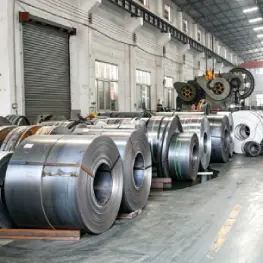
Raw Materials QC
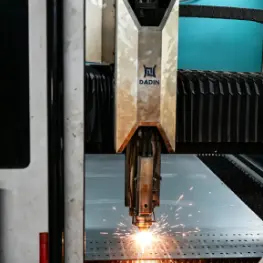
Precision Slitting
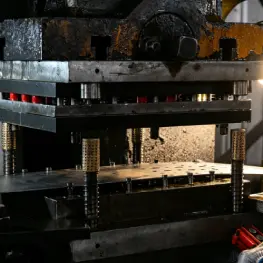
CNC Hole Punching
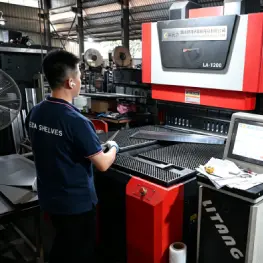
Cold Roll Forming
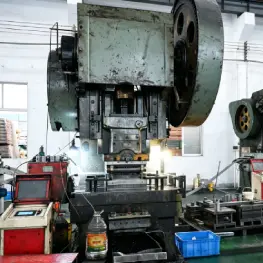
Profile Calibration
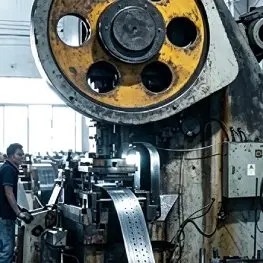
Shot Blasting
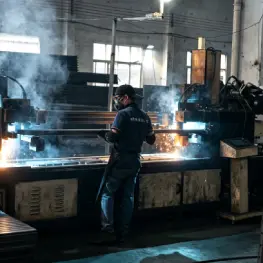
Robotic Welding
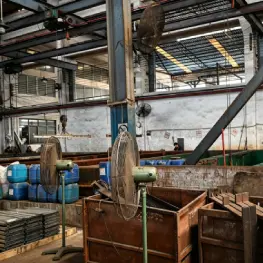
Pickling & Phosphating
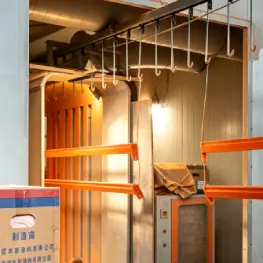
Powder Electro-Cure
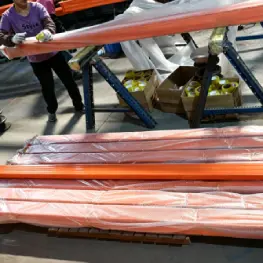
Final QA & Packaging
Guangzhou HEDA Shelves Co., Ltd.: Manufacturing Scale & Global Trust
Founded in 2001, HEDA Shelves has grown from a specialized roll-forming workshop into an international manufacturer of industrial shelving, pallet racking, and automated warehouse systems.
Certified Engineering Compliance & Rigorous Quality Control
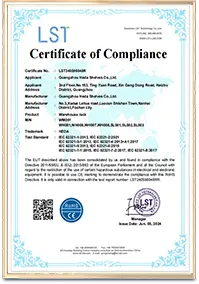
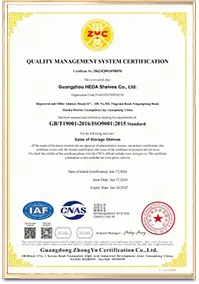
Enterprise procurement teams cannot afford structural failures, shipping delays, or non-compliant steel certifications. HEDA Shelves operates under a certified ISO 9001:2015 Quality Management System (Certificate No. 18624Q00169R0M, valid through June 2027), holding international CE Certification (Certificate No. 2435-CPR-8605159) for structural steel manufacturing and comprehensive RoHS Compliance on all cured surface coatings.
Our quality assurance program begins with ultrasonic weld testing, tensile yield evaluations, coating thickness verification, and dimensional tolerance checks across every production batch. Bundles are systematically coded to match CAD installation layouts, and container stowage plans are engineered to maximize freight utilization while preventing transit abrasion during maritime transport.
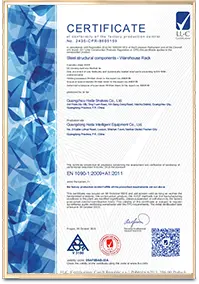 CE Structural Certificate
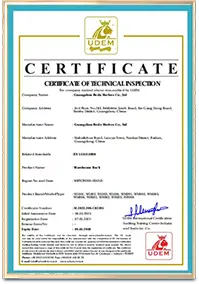 ISO 9001:2015 Quality QA
 RoHS Eco-Coating Verification
 Mechanical Testing Report
Frequently Asked Questions on Sourcing Industrial Shelving from China
Clear, technical answers to common questions from procurement managers, warehouse architects, logistics contractors, and structural consultants.
How can overseas buyers verify steel grades and raw material quality from Chinese suppliers?
Reliable Chinese manufacturers should supply original Mill Test Certificates (MTC) from top-tier primary domestic steel mills (such as Baosteel, Ansteel, or Shougang) with every shipment. These certificates detail chemical compositions (Carbon, Manganese, Silicon, Phosphorus, and Sulfur content) alongside mechanical properties, specifically yield strength (≥ 235 MPa for Q235B, ≥ 355 MPa for Q355B) and elongation percentages. Additionally, HEDA Shelves welcomes accredited third-party inspection firms (e.g., SGS, Bureau Veritas, TÜV) to conduct random tensile testing, spectrometer steel composition audits, and ultrasonic weld flaw inspections at our Guangzhou factory before container sealing.
What engineering data is required to generate a custom 2D/3D warehouse layout design?
To produce an optimized CAD floor plan, 3D visualization, and structural calculation document, our engineering team requires: (1) Architectural CAD floor plans indicating clear height beneath roof purlins, column grid dimensions, floor slab load capacities, and fire egress routes; (2) Pallet specifications including overall length, width, height (inclusive of product), and gross weight; (3) Exact SKU counts and required selectivity profile (100% selective vs. high-density block storage); and (4) Material handling equipment data, including forklift model, turning radius, and maximum mast extension. Initial 2D layouts and 3D renderings are provided at no cost within 24 to 48 hours.
How does HEDA Shelves ensure powder coating durability in coastal or high-humidity regions?
Paint delamination in harsh environments typically stems from inadequate pre-treatment rather than the powder coat itself. HEDA Shelves utilizes a continuous automated 10-stage immersion pre-treatment line that includes alkaline degreasing, twin acidic pickling tanks to strip mill scale, and hot zinc-phosphating. This conversion layer prevents atmospheric oxygen and moisture from interacting with the underlying cold-rolled steel. The components are then coated with pure polyester or epoxy-polyester powder baked at 190°C to achieve a durable 60–90 micron dry film thickness, tested to pass 500+ hours of continuous ASTM B117 salt spray exposure without peeling. For external yards or extreme coastal settings, hot-dip galvanization is available upon request.
What are the differences between FEM, RMI, and AS 4084 standards in practical terms?
While FEM 10.2.02 / EN 15512 (Europe), RMI MH16.1 (United States), and AS 4084-2012 (Australia) all ensure structural stability and load compliance, they employ slightly different safety factors, seismic modeling formulas, and load combination approaches. For instance, European FEM codes specify precise upright perforated column testing to determine actual torsional flexural buckling strength, using an L/200 deflection limit under working loads. RMI sets standard deflection limits at L/180, factoring in distinct seismic baseplate anchorage requirements. HEDA Shelves' engineering department calculates beam sizes, upright omega profiles, and footplate anchorages according to your destination country's mandated local safety codes.
How are oversized steel uprights and beams packaged to avoid transit damage during sea shipping?
Export steel components face risks from container moisture, shunting shocks, and dockside handling abrasions. HEDA Shelves bundles upright columns and step beams using heavy-duty steel strapping anchored to fumigated timber runners, protected by corrugated cardboard edge protectors and heavy stretch-wrap. Small hardware items (such as connector safety lock pins, anchor bolts, levelling shims, and beam brackets) are categorized in labelled timber crates matching installation drawing part numbers. This packaging approach protects coatings during transit and streamlines inventory sorting for on-site installation crews.
Can rack-supported mezzanines integrate with local building codes, fire sprinklers, and lighting?
Yes. Our rack-supported and structural steel mezzanine floors are custom-engineered around local fire safety, egress, and accessibility codes. Decking options include perforated steel planks with 30%–50% open area, allowing overhead fire suppression systems to penetrate without requiring secondary lower-level plumbing. Integrated conduits can be pre-slotted into beams for electrical wiring, and staircases, landings, safety handrails, and pallet drop gates are designed to satisfy local building accessibility and safety requirements.
What is the typical production and shipping lead time for volume orders?
For standard selective pallet racking and longspan industrial shelving, standard manufacturing lead time is 15 to 20 working days following technical drawing approval and deposit receipt. Large-scale projects involving custom roll-formed tooling, automated radio shuttle carriers, or multi-level mezzanine fabrication typically require 25 to 30 days. Shipping from Guangzhou/Shenzhen port offers reliable direct sailings: 12-18 days to Middle East ports, 20-25 days to Western Europe, 15-22 days to the US West Coast, and 28-35 days to the US East Coast.
Request an Engineered Layout & Factory-Direct Quotation
Connect directly with HEDA Shelves' Guangzhou engineering headquarters. Share your facility CAD dimensions, pallet weights, and operational storage goals for a comprehensive structural review, 3D warehouse concept model, and transparent container-optimized cost analysis.