Engineered Industrial Metal Pallet Racks
Explore standard, dynamic, and automated heavy-duty industrial storage systems engineered to optimize vertical cube utilization, streamline logistics operations, and satisfy strict seismic deflection standards.
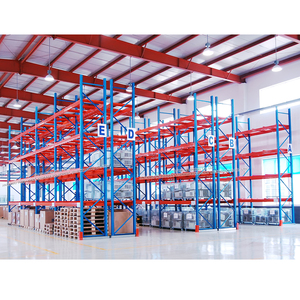
Selective Pallet Racking
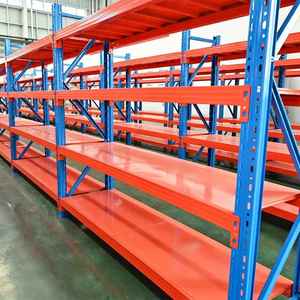
Heavy Duty Steel Pallet Rack
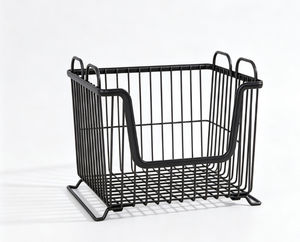
Mobile Narrow Wire Unit
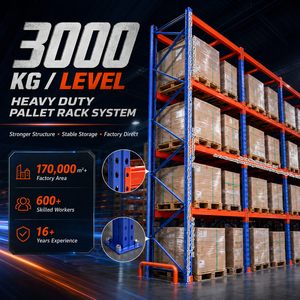
4-Tier Heavy-Duty Rack
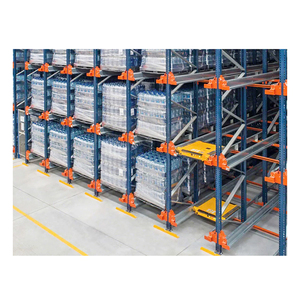
Automated Shuttle Racking
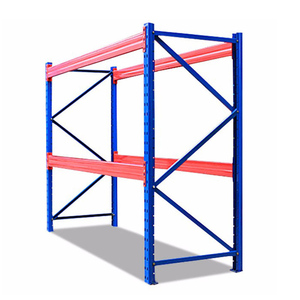
Multi-Level Metal Rack System
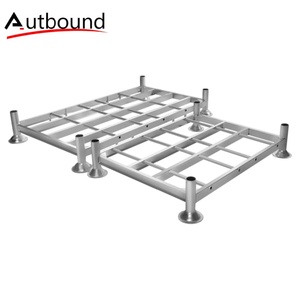
Steel Post Stacking Racks
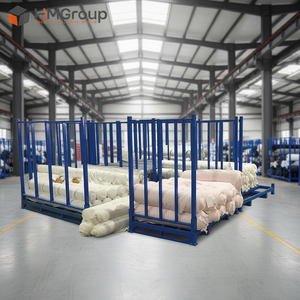
Portable Fabric Roll Stacking Rack
Procurement Intelligence: Metal Pallet Racking Trends & Engineering Paradigms
The global intralogistics environment requires heavy-duty storage infrastructure capable of withstanding dynamic seismic conditions, extreme humidity, aggressive temperature variations, and cyclic handling fatigue. Procurement specialists evaluating China metal pallet racks factories and suppliers must consider structural steel certifications, yield strength dynamics, surface passivation, and automation interoperability rather than raw material price per kilogram alone.
Crucial Procurement Metric: Evaluating steel rack compliance requires auditing EN 15512 (European standard for steel static storage systems), RMI/ANSI MH16.1 specifications, and factory-level traceability of prime structural steel (such as certified Q235B or Q355B coils) under standardized structural loading profiles.
Future Procurement Trends in Industrial Storage
Industrial storage procurement is transitioning from static warehouse configurations to flexible, high-density ecosystems. Modern supply chains, driven by escalating real estate costs and localized fulfillment pressures, mandate structural adaptations:
Semi-Automation Interfacing
Static drive-in racks are increasingly replaced by high-throughput radio shuttle systems and AS/RS (Automated Storage and Retrieval Systems) interfaces, minimizing aisle footprints while maximizing total cubic capacity.
Seismic & Cold-Chain Engineering
Upright column designs now utilize enhanced roll-formed profiles featuring structural stiffening ribs to endure embrittlement in sub-zero cold-storage (-30°C) and dissipate dynamic cyclic shock loads.
Coating Longevity Standards
Procurement audits prioritize complete acid pickling and phosphating pre-treatments before electrostatic powder coating, eliminating micro-corrosion risks in humid coastal regions like the GCC and Southeast Asia.
Material Grade Optimization & Yield Strength Criteria
The core structural integrity of metal pallet racks rests on the chemical composition and cold-roll-forming quality of the steel coils. Premium suppliers deploy high-grade low-alloy steel that preserves ductile properties while maximizing yield limits (ReH ≥ 235-355 MPa). By engineering upright profiles with multi-bend configurations, section moduli are increased significantly without adding excessive, unworkable dead load. This structural calculation ensures load safety factors typically exceeding 1.4 to 1.5 under maximum static deflection thresholds (1/200th to 1/250th of clear span).
Enterprise Advantages: Why Direct-from-Factory Manufacturing Matters
Decades of manufacturing integrity, continuous research and development, and integrated industrial quality control make our facility a trusted partner for global EPC contractors, warehouse managers, and system integrators.
Certified Quality Control
Strictly compliant with CE (EN 15512) and ISO 9001:2015 certification benchmarks, governing every stage from coil ultrasonic flaw detection to welding joint stress evaluations.
Free Structural & 3D CAD Design
In-house structural engineering teams deliver comprehensive structural calculations, floor loading distributions, 2D CAD layouts, and clear 3D renderings within 24–48 hours.
Precision Roll-Forming Lines
Continuous automated CNC roll-forming lines punch and bend uprights and beams with millimeter-accurate tolerances, ensuring rapid on-site assembly and structural alignment.
Container-Optimized Logistics
Export packaging features labeled, bundled strapping and protective cushioning engineered to maximize maritime container space utilization and prevent transit scratches.
Industrial Racking Sourcing FAQ
Essential guidance addressing engineering inquiries, load verifications, civil regulations, and logistics execution for procurement managers.
How do I determine the correct beam section and upright thickness for pallet storage?
What surface treatment is best for heavy industrial and cold storage warehouses?
Can custom metal pallet rack designs pass local Civil Defense and fire authority inspections?
What documentation is supplied to verify quality and load capacities?
What is the standard production and shipping lead time for multi-container projects?
Accelerate Your Warehouse Performance Today
Connect with our technical design engineers for project calculations, warehouse CAD drawings, and factory-direct estimates tailored to your exact facility layout.
Contact Us