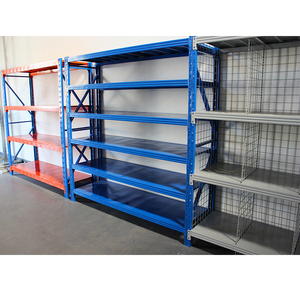
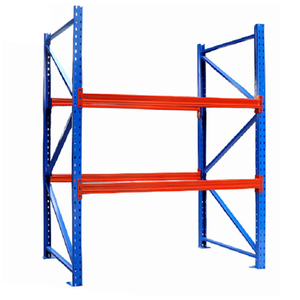
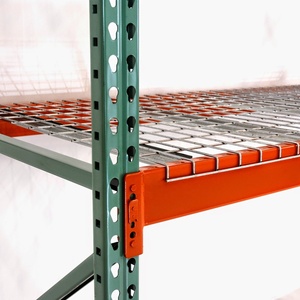
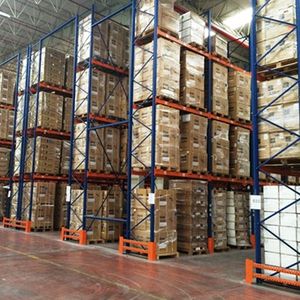
Top Roller Racking Storage Factory & Exporters

China Top Roller Racking Storage Factory & Exporters

Precision-engineered pallet flow, carton live storage, and dynamic gravity roller racking manufactured by Guangzhou Heda Shelves Co., Ltd. for mission-critical logistics across 120+ countries.

Enterprise Product Portfolio

Industrial Storage Systems & Roller Racking Solutions

Direct factory manufacturing featuring high-tensile structural steel, custom roller track inclinations, and certified payload tolerances conforming to international EN 15512, RMI, and ISO 9001:2015 specifications.

2001
Established Year
25+ Years Racking Engineering
30,000 m²
Manufacturing Facility
Guangzhou Heavy Production Base
30,000 t
Monthly Steel Output
Automated High-Speed Roll Lines
10,000+
Completed Projects
Deployed Across 120+ Countries
Technical Engineering Whitepaper

Roller Racking Kinematics & Gravity Flow Mechanics

An analytical examination of gravity roller bedding, gradient friction dynamics, speed control braking, and structural resilience in live storage systems.

Dynamic Storage Fundamentals: Gravity-Assisted First-In, First-Out (FIFO) Systems

Roller racking storage—commonly classified under industrial storage nomenclature as Pallet Flow, Carton Live Storage, or Gravity Flow Racking—represents the pinnacle of high-density passive dynamic warehousing. By replacing static longitudinal pallet support beams with inclined, high-precision cylindrical steel or polymer roller tracks, goods glide seamlessly via natural gravitational force from the loading (replenishment) face down to the picking (unloading) face.

In high-throughput distribution environments such as FMCG retail hubs, cold chain logistics chambers, and pharmaceutical central distribution points, static racking suffers from excessive transit time, repeated fork-truck entry maneuvers, and non-compliance with strict expiration-date rotation. HEDA Shelves roller systems decouple loading and picking traffic lanes into two discrete aisles, eliminating up to 65% of fork-truck travel time and maximizing cubic footprint utilization by 150% compared to conventional selective setups.

"The design of heavy pallet flow roller tracks is not merely structural fabrication; it is an exact metallurgical and kinematic science balancing rolling friction coefficients (μ = 0.015–0.035), gradient angles (typically 2.5° to 4.0°), and dynamic braking dissipation."

Our engineering division calculates the exact slope trajectory based on actual unit load packaging (hardwood timber pallets, plastic Euro pallets, corrugated cardboard containers, or steel tote boxes) to ensure uniform gliding velocity without runaways or resting stall points.
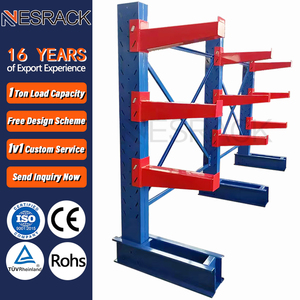
Flow Slope & Gradient Dynamics Kinematic Standard
  • Standard Gradient: Calibrated between 2.8% and 3.5% incline based on pallet bottom runner layout.
  • Centrifugal Brake Rollers: Mechanical internal planetary gears govern descent speed below 0.3 m/s, safeguarding operators and structural uprights.
  • Separating Stop Devices: Patented mechanical pallet separators isolate the leading discharge pallet from trailing lane back-pressure, enabling zero-resistance forklift extraction.
  • Entrance Lead-in Guides: Heavy gauge flared side entry rails prevent off-center entry and pallet stranding.
HEDA Steel Engineering Benchmarks Q235B / Q355B
  • Yield Strength Guarantee: Minimum yield strength of 235 to 355 MPa certified through third-party tensile coupon testing.
  • Beam Deflection Tolerance: Strict adherence to ≤ L/200 under full rated design load conditions.
  • Upright Roll Cold Profile: Continuous cold-roll formed with omega-type stiffening ribs to counter torsional buckling under cyclic dynamic stresses.
  • Seismic Engineering: Base plates engineered with high anchor-pullout safety margins calculated via Finite Element Analysis (FEA).

Structural Engineering, Deflection Limits & Steel Metallurgy

Unlike standard static racking where structural dead load and static live load determine beam sizing, dynamic roller racking incurs continuous cyclic impulse forces during pallet deceleration, kinetic impact on discharge stops, and point-loading over roller axle mounts. Structural failure in dynamic systems invariably stems from inadequate torsional stiffness of longitudinal stringers or column displacement under vibrating gravitational descent.

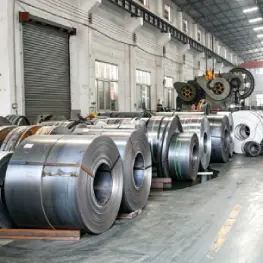
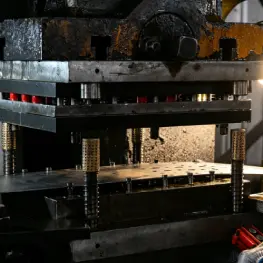
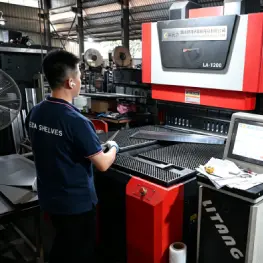
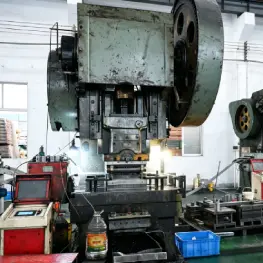
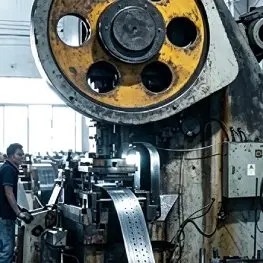
At Guangzhou Heda Shelves Co., Ltd., we utilize premium hot-rolled and cold-formed structural steel coils sourced directly from top-tier primary domestic mills. Every upright column and roller frame undergoes precise automated stamping on progressive punching machines. The column geometry features an engineered multi-bend cross-section that disperses compressive axial stresses away from perforation apertures, vastly exceeding baseline safety factors specified by EN 15512 and RMI MH16.1 guidelines.

Furthermore, roller track channels are fabricated from 2.5mm to 3.5mm thick galvanized steel profiles housing double-row precision ball bearings sealed with low-friction labyrinth rings. This eliminates roller seizure caused by particulate debris or micro-condensation in cold food distribution centers.

Comparative Analysis: Roller Gravity Flow vs. Alternative High-Density Systems

Direct performance metrics across volumetric density, operational velocity, picker safety, and total cost of ownership (TCO).

Storage Architecture Density Index Inventory Flow Forklift Travel Time Operating Energy Cost Selectivity Damage Risk Index
Roller Gravity Flow (HEDA) Ultra-High (85%+) Strict FIFO (100%) -60% (Split Aisles) Zero (Gravity Passive) High (Per Lane) Minimal (Protected Lanes)
Selective Pallet Racking Low (40-45%) FIFO / LIFO Variable High (Long Aisles) Zero (Passive) 100% Direct Moderate (Aisle Impacts)
Drive-In Racking High (75-80%) Strict LIFO Very High (Drive-In) Zero (Passive) Low (Lane-Restricted) High (Upright Collisions)
Radio Shuttle Systems Ultra-High (85%+) FIFO / LIFO Flexible Low (Aisle Only) Medium (Battery Cycles) High (Per Level) Low (Shuttle Guided)
Push-Back Cart Racking Medium-High (70%) Strict LIFO Moderate Zero (Passive) Moderate (2-6 Deep) Low-Medium
Market Intelligence & Strategic Sourcing

Future Procurement & Technological Trends (2025–2030)

Macro supply chain forces, intelligent warehouse robotics convergence, and evolving carbon-neutral specifications transforming how tier-1 enterprises source roller racking systems.

1. Convergence with Autonomous Mobile Robots (AMR)

The traditional gravity roller bed is evolving into an automated picking nexus. Next-generation installations integrate gravity-flow discharge interfaces directly with AMR docks and automated guided vehicles (AGV), allowing robotic arms or autonomous forklifts to retrieve gravity-fed pallets without manual driver intervention.

2. Cold Chain & Sub-Zero Metallurgical Resilience

Global frozen food distribution demands roller tracks capable of operating continuously at -25°C to -35°C without grease freezing or steel embrittlement. Modern procurement specifies low-temperature synthetic lubrication and specialized cold-formed steels with high Charpy V-notch impact toughness values.

3. Sustainable Eco-Coatings & VOC-Free Curing

International environmental mandates (EU Green Deal, ISO 14001, RoHS) are eliminating traditional solvent-based painting. Procurement leads now strictly require zero-heavy-metal electrostatic polyester powders, dry-in-place zirconium oxide pre-treatments, and lower carbon-intensity recycled steel feedstock.

4. Digital Twin Simulation & Pre-Engineered TCO

Procurement departments no longer evaluate racking strictly on initial capital cost (CAPEX). Advanced buyers mandate 3D digital-twin kinematics simulations, dynamic loading FEA stress reports, and lifecycle Total Cost of Ownership (TCO) models prior to awarding containerized export contracts.

Send an Inquiry
Why Global Importers Partner With HEDA Shelves

Guangzhou Heda Shelves Co., Ltd. Enterprise Competencies

Established in 2001, Guangzhou Heda Shelves Co., Ltd. provides end-to-end manufacturing, custom architectural design, and global export infrastructure for industrial warehousing projects.

25+ Years Industrial Authority

Over two decades of proven structural storage manufacturing, solving layout challenges for global retail giants, 3PL logistics hubs, and military distribution depots worldwide.

Free 3D & CAD Layout Design

In-house structural engineering team provides complete 2D CAD architectural plans, load-bearing static calculations, and photo-realistic 3D BIM renderings within 24 to 48 hours.

Harsh-Climate Engineering

Specially formulated multi-stage surface treatments withstand coastal humidity, desert salt-air, extreme summer thermal cycles (+50°C), and sand-dust abrasion across GCC and African markets.

Full Customization (OEM/ODM)

Tailored upright profiles, custom beam punch hole geometry (teardrop, hex, diamond), bespoke roller pitch configurations, and private label architectural electrostatic colors.

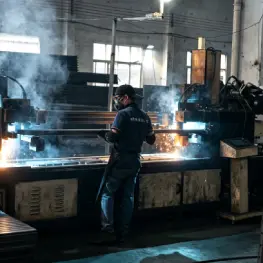
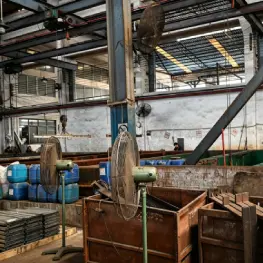
The 10-Step HEDA Precision Production Workflow

Total quality containment from certified raw steel coil inspection to containerized export shipping.

Step 01 Raw steel materials inspection

Raw Steel Quality Control

Step 02 Precision steel cutting

Precision Steel Slitting

Step 03 Automated upright column punching

CNC Upright Punching

Step 04 Cold bending forming

Cold Roll Bending

Step 05 Profile roll forming

Continuous Roll Forming

Step 06 Surface polishing

Shot Blasting & Polishing

Step 07 Beam and connector welding

Robotic Shielded Welding

Step 08 Pickling and phosphating pretreatment

Acid Pickling & Phosphating

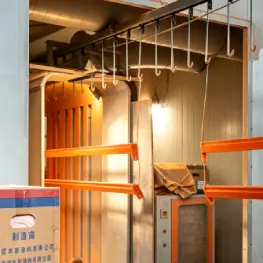
Step 09 Electrostatic powder coating line

Electrostatic Powder Coating

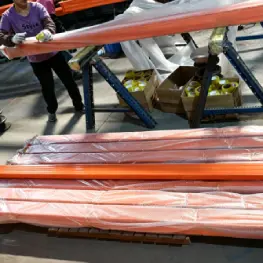
Step 10 Quality control and export shipping

CMM Inspection & Packing

Proven Field Performance

International Project Installations & Traceable Credentials

Robust racking systems deployed in complex logistical environments across the Middle East, Southeast Asia, Africa, and the Americas.

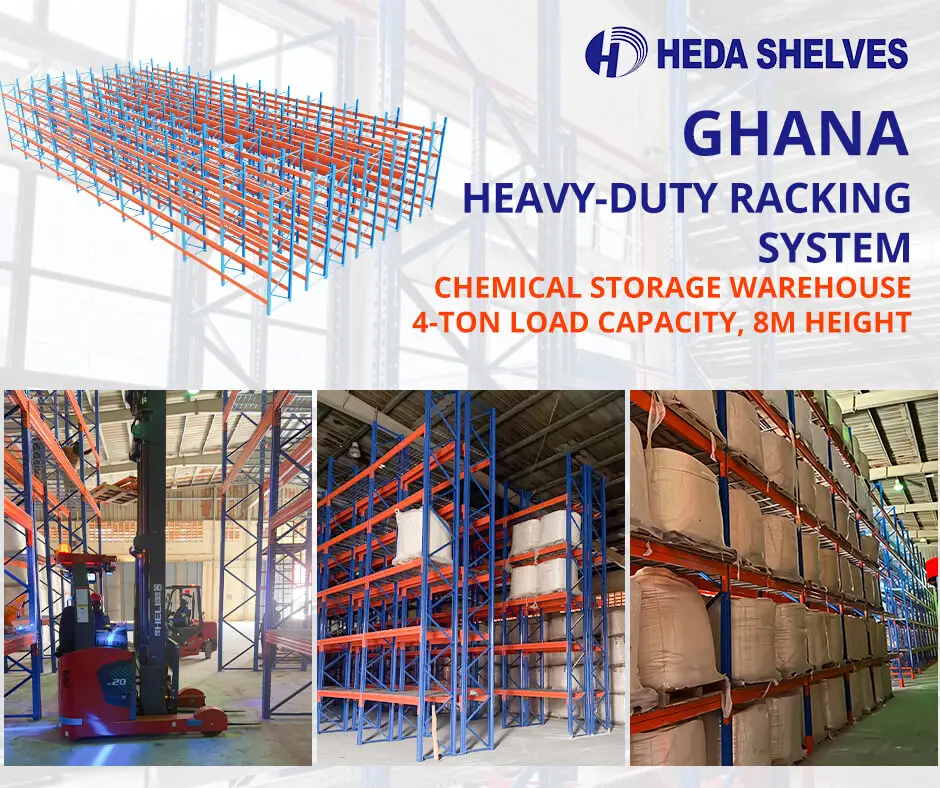
Heavy-duty racking system for chemical storage in Ghana Chemical & Industrial

Heavy-Duty Racking for Chemical Storage — Ghana

Engineered with corrosion-shielded epoxy powder coating and heavy wire decking designed for non-standard chemical drums and heavy tote payloads under tropical coastal humidity.

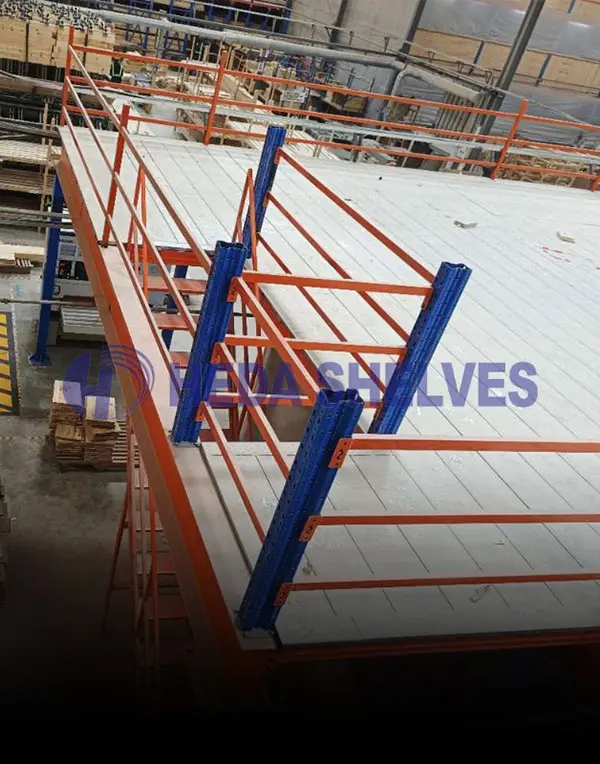
Rack-supported mezzanine floor for manual picking warehouse in Kenya Dynamic Picking Hub

Rack-Supported Mezzanine & Push-Back Floor — Kenya

Integrated 3-level picking structure merging high-density push-back roller wheel beds with upper walkway manual picking zones, doubling total effective warehouse floor area.

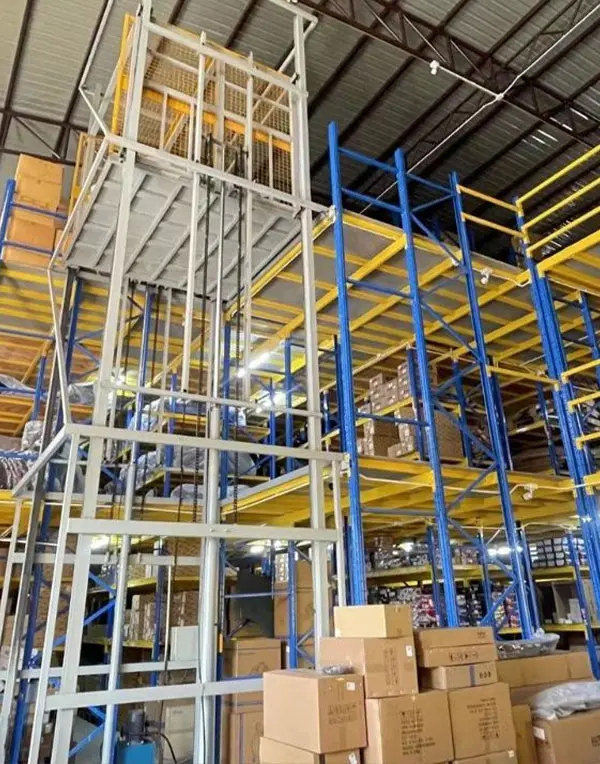
Multi-level mezzanine with reinforced racking for auto parts warehouse in Thailand Automotive Logistics

Multi-Level Reinforced Mezzanine — Thailand

Designed for tier-1 automotive components distributor, featuring high-capacity integrated vertical structural racking, anti-skid steel plank decking, and modular chute integration.

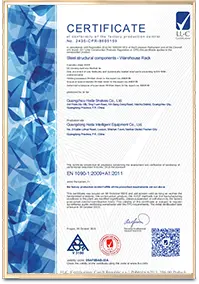
Institutional Compliance

Verifiable Global Certification Files

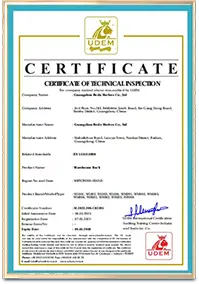
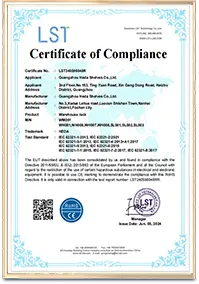
CE Certificate
CE Certification
No. 2435-CPR-8605159
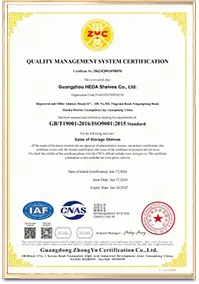
ISO 9001 Certificate
ISO 9001:2015
Quality Mgmt System Certified
RoHS Certificate
RoHS Compliance
Non-Toxic Heavy Metal Free
Product Test Certificate
Structural Test Report
Destructive Load Benchmarks
Procurement Knowledge Base

Frequently Asked Questions by Industrial Engineers & Buyers

Comprehensive answers regarding structural tolerances, roller incline formulas, pallet base compatibility, maritime shipping logistics, and site installation.

1. What exact parameters determine the inclination gradient and roller spacing in pallet flow racking? +
The optimal gradient typically ranges between 2.8% and 3.5% (approx. 1.6° to 2.0°). However, this is precisely calibrated based on three primary factors: unit pallet gross weight (typically 500kg to 1,500kg), the structural rigidity and bottom board configuration of the pallet (e.g., wooden Euro 1200x800mm, industrial 1200x1000mm, or perimeter-base plastic pallets), and the ambient warehouse operating temperature. A roller spacing is chosen such that a minimum of 2 to 3 pallet bottom contact boards are supported by roller sets at any given point along the dynamic run, preventing sagging or kinetic hesitation.
2. How does HEDA Shelves prevent pallet runaway accidents and high kinetic impacts at the exit face? +
To control descent acceleration across long flow lanes (up to 20 pallets deep), we install centrifugal magnetic or planetary speed controller brake rollers spaced at uniform intervals (typically every 1 to 2 pallet lengths). These brake rollers operate passively without electrical power: as rotational speed increases, internal counterweights generate opposing braking torque, restricting pallet glide speed to a safe 0.25–0.30 m/s. At the discharge end, heavy-duty mechanical spring-damped stops decelerate the pallet gently without damaging packaged goods or structural upright frames.
3. How does the pallet separator work, and why is it critical in gravity roller flow systems? +
Without a mechanical pallet separator, the collective static line pressure of all trailing pallets in a deep lane pushes directly against the front discharge pallet, making it virtually impossible for a forklift to lift the front pallet smoothly without causing severe friction or tipping. HEDA Shelves incorporates a patented mechanical lever-action separator mechanism. When the front pallet arrives at the exit stop, it depresses a trip plate that raises a secondary stopper behind it, completely isolating the leading pallet from rear backpressure. Once the front pallet is lifted out, the trip plate resets, allowing the next pallet to index forward safely.
4. Can plastic skids, plastic runner pallets, and corrugated cartons be utilized on the same roller beds? +
Heavy pallet roller tracks are designed for full unit loads with standard bottom skids. Plastic pallets often have softer ribbed bases or slight flexural deflection under heavy loads, which requires specialized roller configurations, smaller axle pitches, or polyurethane-coated steel rollers to maintain continuous traction. For hand-picked corrugated carton storage, we design distinct "Carton Flow" beds utilizing high-impact polymer skate wheels or mini-roller tracks positioned inside light/medium-duty wide-span shelving, perfectly tailored to carton dimensions and pick-face ergonomics.
5. How do HEDA Shelves products withstand coastal humidity, desert heat, and corrosion? +
Every steel component undergoes a rigorous 10-stage pre-treatment protocol prior to coating: alkaline degreasing, ultrasonic cleaning, acid pickling to eliminate mill scale, cold water rinsing, and high-density zinc phosphating. We then apply an automated thermosetting electrostatic epoxy-polyester powder coat cured at 180°C–200°C. This forms a cross-linked chemical barrier exceeding 60–80 microns in thickness, delivering salt-spray resistance compliant with ASTM B117 standards and preventing subsurface oxidation even in tropical, marine coastal, or desert logistics zones like the GCC.
6. What data is required from our engineering team to generate a free 2D/3D layout proposal? +
To provide an accurate structural proposal and price quotation, our design office requires: (1) Warehouse architectural CAD drawing showing clear heights under roof beams, column grid positions, sprinkler heads, and floor slab expansion joints; (2) Pallet specifications including width, depth, overall height, and maximum gross weight; (3) Pallet bottom board configuration; (4) Forklift specifications, including mast lift height, minimum turning radius, and outrigger dimensions; and (5) SKU distribution throughput targets.
7. What are the packaging and sea freight container stuffing standards for overseas export? +
Export packing is designed to maximize shipping container space while preventing abrasion or bending during maritime transport. Upright frames are nested with protective cardboard interleaves and strapped with high-tensile PET bands onto heavy timber runners. Beams and roller tracks are bundle-packed with moisture-resistant stretch film and corner protectors. Small fasteners, footplates, safety pins, and separator mechanisms are packed in reinforced, fumigated plywood cases clearly cross-referenced to installation drawings for fast customs clearance and site sorting.
8. Does HEDA Shelves provide on-site installation guidance or remote engineering supervision? +
Yes. Every project includes comprehensive 3D assembly shop drawings, component piece-mark schedules, and step-by-step video installation guides. For large distribution centers and multi-tier mezzanine roller projects, we can dispatch senior HEDA installation supervisors to your jobsite to direct local rigging crews, verify laser column alignment, perform test glide commissioning, and certify load compliance before final handover.

Initiate Your Storage Engineering Assessment

Connect directly with Guangzhou Heda Shelves Co., Ltd.'s structural engineering team. Request custom layout CAD drawings, dynamic flow simulations, and factory-direct volume pricing for your upcoming warehouse facility.

Free 2D CAD Floor Plan & 3D Render
Structural FEA Static Calculation
Direct Factory OEM/ODM Sourcing
Containerized Export Optimization
Send an Inquiry

Typical response time < 2 business hours.
Guangzhou Factory Direct Export Division.