High-Performance Industrial Storage & Pallet Rack Solutions
Engineered for high-bay optimization, maximum payload dynamics, and rigorous warehouse safety standards across North America, Europe, Australia, and GCC regions.
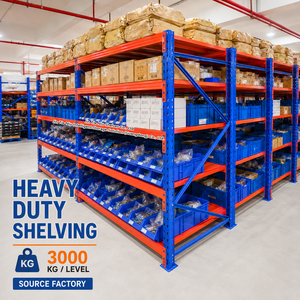
3000KG Custom Steel Deck Storage Rack
Designed for plastic bins and fragmented parts distribution. Heavy-gauge formed steel decking with high load distribution ribs.
Technical Specs →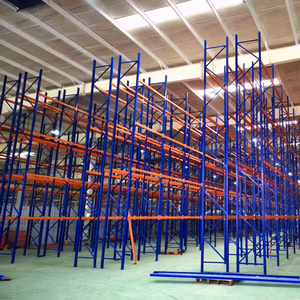
2-5 Tier Wide Aisle Pallet Racking
Engineered for automated e-commerce fulfillment hubs requiring continuous counterbalance and reach-truck access loops.
Technical Specs →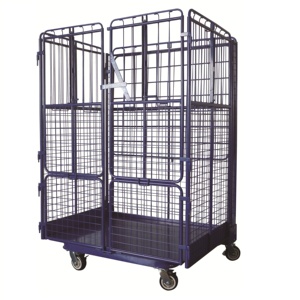
Folding Wire Rolling Pallet Cage Trolley
1200x1000x1800 heavy-duty mesh transport trolley equipped with industrial-grade caster wheels for cross-dock staging.
Technical Specs →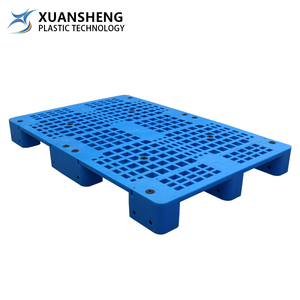
HDPE Grid Nine-Foot Warehouse Pallet
High-density polyethylene interlocking grid pallet for multi-tier shelf storage, washdown environments, and sanitary logistics.
Technical Specs →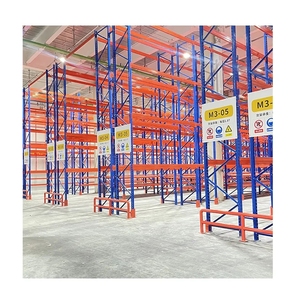
Industrial Heavy Duty Pallet Rack System
Standardized heavy upright profiles with box beam connectivity, engineered specifically for high tonnage bulk storage operations.
Technical Specs →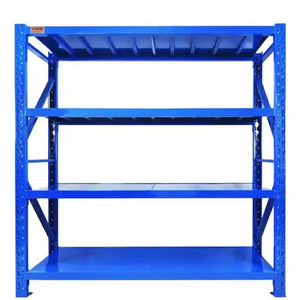
4-Level Boltless Angle Shelving Rack
Rapid assembly angle post system engineered for manual bin sorting, archive retrieval, and corrosion-resistant workshop racking.
Technical Specs →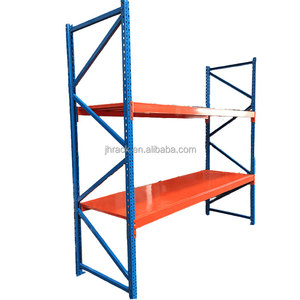
Custom Very Narrow Aisle (VNA) Rack
Floor-to-ceiling maximization with tight aisle rail configurations to eliminate idle floor space and increase storage capacity up to 45%.
Technical Specs →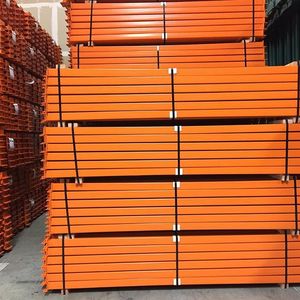
Double Euro Selective Pallet Racking
Extended 3.2m beam spans accommodating tandem Euro pallets per bay, reducing frame counts and total installation costs.
Technical Specs →End-to-End OEM/ODM Manufacturing Infrastructure
Direct from our modern Guangzhou facility to high-throughput regional terminals across the globe.
Certified Structural Steel
Fabricated using certified Q235B cold-rolled steel coils, adhering strictly to EN 15512 and RMI standards to ensure fail-safe deflection parameters.
Corrosion Shield Surface
Multi-stage pickling, automated phosphating bath, and automated electrostatic powder coating engineered for high-salinity and high-humidity climates.
Full 3D / CAD Layout Support
Dedicated structural engineers produce full 2D CAD placement blueprints, static weight load calculations, and photorealistic 3D warehouse simulations free of charge.
Optimized Export Packing
Precision container strapping, automated profile bundling with protective corner guards, and barcode labeled parts for zero-damage maritime shipment.
Engineering Whitepaper: Structural Reliability in Heavy-Duty Rack Systems
In modern industrial facilities, warehouse racking is no longer a static shelving asset; it is an integrated structural sub-system exposed to dynamic loading, cyclic seismic stresses, and mechanical forklift impact. When sourcing OEM/ODM heavy-duty racks, procurement teams and warehouse architects must verify structural engineering under certified design criteria—principally EN 15512 (European Standard for Steel Static Storage Systems) and ANSI MH16.1 (Specification for the Design, Testing and Utilization of Industrial Steel Storage Racks).
1. Yield Strength & Profile Geometry
The core structural integrity of heavy-duty pallet racks rests upon cold-formed steel sections. Our manufacturing process utilizes high-grade hot-rolled coils slit to precision widths, which then undergo continuous multi-station roll-forming. This cold-working process increases the yield point of standard structural steel from an nominal 235 MPa to effective yield capacities exceeding 345 MPa at localized work-hardened corners.
Upright column designs must balance torsional stiffness with buckling resistance. We utilize omega-profile and 13-fold column cross-sections featuring staggered tear-drop or diamond slotting. The cold-formed stiffening ribs along the column flanges eliminate distortional buckling modes, ensuring that vertical compressive forces are uniformly transferred down to baseplates anchored securely into post-tensioned or reinforced concrete slabs.
Design Tip: When evaluating frame load limits, always verify the unbraced length (Lu) of the lowest beam elevation. Increasing the first beam level from 1,500mm to 2,400mm can decrease upright capacity by as much as 28% due to higher slenderness ratios.
2. Beam Deflection Criteria & Connection Rigidity
Beams operate as flexural members supporting distributed pallet loads. Under international regulatory standards, the deflection of a loaded beam must not exceed L/200 for standard selective racks, or L/300 for automated crane-served and dynamic shuttle lanes. Our box-beam designs employ twin interlocking C-channels robotically seam-welded to create closed tubular profiles with superior torsional stability compared to open flanged beams.
Beam end-connectors (brackets) feature 3, 4, or 5-claw solid plate connectors stamped from 4.0mm structural steel. The interlocking wedge profile engages the upright slots, generating a semi-rigid frame connection that resists longitudinal rack sway. Removable zinc-plated spring locking safety pins guarantee the beam cannot dislodge accidentally when fork tines catch the underside of a pallet during rapid elevation.
3. Climate-Adapted Surface Pretreatment
Corrosion-induced structural degradation is a leading cause of racking failure in high-humidity littoral environments, coastal ports, and chemical processing facilities. Standard paint finishes frequently chip and rust underneath the coating layer. Our 10-stage surface finishing system overcomes this vulnerability:
- Degreasing & Alkaline Rinse: Cleans residual rolling oils from the raw steel surface.
- Acid Pickling: Strips mill scale, micro-rust, and surface oxides.
- Zinc-Iron Phosphating: Chemically converts the steel substrate into a dense crystalline conversion layer, dramatically enhancing paint adhesion and retarding galvanic oxidation.
- Automated Electrostatic Coating: Applies 60–90 microns of thermoset polyester-epoxy powder cured at 190°C–210°C, producing an elastic, impact-resistant finish that resists scratches from wood and steel pallet contact.
Future Sourcing & Industry Trends in Heavy-Duty Storage
Key technological shifts reshaping how multinational supply chains design, procure, and deploy warehouse infrastructure.
Transition Toward Semi-Automated Shuttle Systems
Traditional static drive-in racks are rapidly being superseded by high-density radio shuttle racks. Shuttle systems allow deeper lanes (up to 40+ pallets deep) while keeping forklifts out of the rack structures, drastically lowering frame impact incidents and boosting throughput by 35%.
Integration with Autonomous Mobile Robots (AMR)
New pallet racking designs feature wider floor apertures, precision baseplate shimming, and floor-embedded LiDAR reflectors. This enables seamless navigation for autonomous pallet jacks and reach AGVs operating without human drivers.
Carbon-Optimized Lightweight Alloys
Procurement teams are prioritizing high-strength micro-alloyed steels (such as Q355B and DOMEX). These materials reduce raw steel consumption per pallet position by 12–18%, reducing maritime freight emissions while maintaining structural capacity.
Custom Modular Mezzanine Hybrids
Skyrocketing industrial warehouse rents drive facilities upward. Modern projects pair heavy selective base racking with rack-supported mezzanine platforms, combining high-bay pallet reserve storage with second-tier manual e-commerce picking galleries.
Strict Compliance with Seismic Building Codes
International buyers now demand finite element analysis (FEA) modeling under regional seismic classifications (such as IBC, Eurocode 8, and AS 4084), requiring reinforced dual-baseplate anchor bolting and horizontal back-bracing trusses.
Digital Structural Health Monitoring (IoT)
Smart rack installations are beginning to integrate low-cost IoT impact-sensor beacons onto aisle-end uprights. These track forklift collisions in real time, alerting safety managers to load-bearing frame deformities before structural failure occurs.
Frequently Asked Questions by Industrial Buyers & Importers
Clear, technical insights to facilitate customs clearing, engineering sign-offs, and container-level logistics.