3000kg Heavy Duty
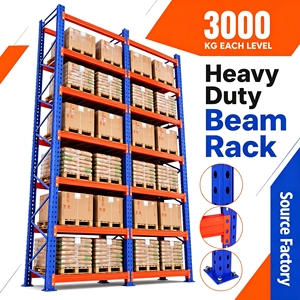
Direct from our 30,000 m² automated production facility: custom structural pallet racks, high-load dynamic push-back units, and narrow-aisle systems verified for global logistic logistics corridors.
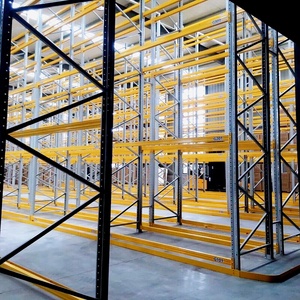
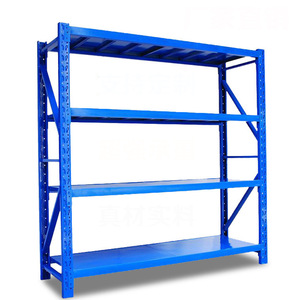
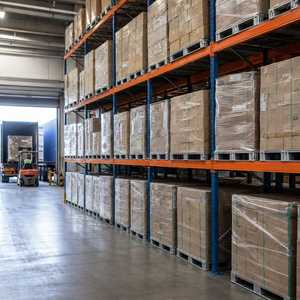
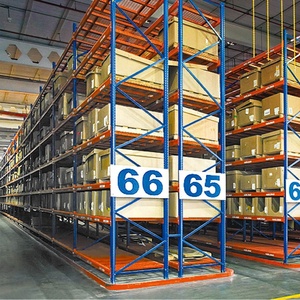
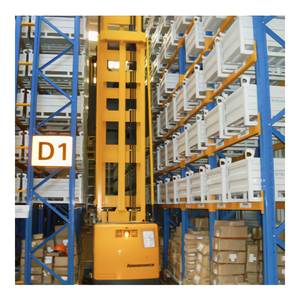
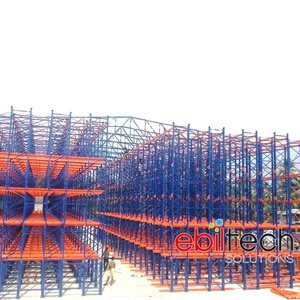
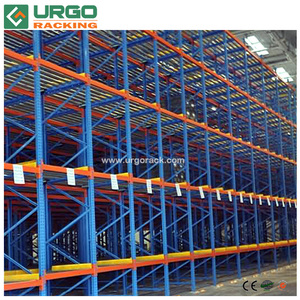
Comprehensive architectural considerations, nesting cart kinetics, and space-efficiency modeling for global OEMs and tier-1 procurement specialists.
Push back pallet racking represents a high-density, dynamic accumulation storage architecture configured specifically for Last-In, First-Out (LIFO) inventory management. Unlike traditional selective pallet racking—which dedicates upwards of 60% of warehouse floor footprint to operational transit aisles—push back systems aggregate multiple pallet depths (typically 2 to 6 pallets deep per lane) onto nested, low-profile carts that glide along inclined structural steel rails.
The operational mechanism is fundamentally driven by physical gravity combined with mechanical forklift thrust. The initial pallet is deposited onto the top nesting cart at the aisle picking face. When the secondary pallet arrives, the forklift driver carefully pushes the lead pallet backward, exposing the subsequent underlying nested carrier. Upon retrieval, the process reverses: removing the front-most pallet releases stored gravitational potential energy, permitting subsequent carts to smoothly glide down the low-incline gradient (customized between 1.5% to 3.0%) to rest safely against front physical mechanical stops.
Selecting an OEM/ODM storage solution requires evaluating SKU selectivity versus volumetric density trade-offs. The comparative data matrix below details systemic differences based on factory calculation benchmarks:
| Racking Architecture | Storage Density | SKU Selectivity | Rotation Logic | Forklift Cycle Time | Frame Impact Risk |
|---|---|---|---|---|---|
| Push Back Racking (OEM Cart) | High (Up to 75% Floor Gain) | 100% per Individual Lane | LIFO | Fast (Aisle-Only Entry) | Low (Zero Internal Entry) |
| Selective Pallet Racking | Low (40-45% Volumetric) | 100% Direct Every Pallet | FIFO / LIFO | Moderate (Long Aisle Travel) | Moderate (Traffic Aisle Proximity) |
| Drive-In Racking | Very High (Up to 85%) | Low (Per Bay / Block Only) | Strict LIFO | Slow (Internal Navigation) | High (Severe Vehicle Exposure) |
| Radio Shuttle Automation | Maximum (85%+) | High (Deep Lanes, Multi-SKU) | FIFO or LIFO | Very Fast (Automated Shuttle) | Minimal (Tracked Automation) |
In OEM/ODM factory fabrication, the choice of raw steel coil defines the lifecycle integrity of high-bay push back racking. Guangzhou Heda Shelves leverages premium hot-rolled and cold-rolled steel conforming strictly to European CE directives (EN 15512, EN 15620) and ISO 9001:2015 frameworks.
For upright columns, computerized continuous roll-forming mills produce multi-bend Omega (Ω) profiles that provide optimal torsional resistance. Beams and cart assemblies are treated to rigorous electrostatic polyester powder coating preceded by industrial pickling and phosphating pre-treatments. This multi-stage protective protocol guarantees exceptional resistance against humidity, saline atmospheric exposure in GCC coastal regions, and mechanical abrasion caused by heavy steel flanged wheels.
Over two decades of structural racking innovation delivering tailored OEM/ODM manufacturing across the Middle East, Southeast Asia, Europe, and the Americas.
Full in-house fabrication lines in Guangzhou featuring automated high-speed punching, CNC shearing, laser cutting, and robotic welding stations.
Fully compliant with CE Certificate No. 2435-CPR-8605159, ISO 9001:2015 Quality Management, and verified RoHS environmental standards.
Our 300+ engineering and technical staff deliver bespoke load capacity calculations and simulated layout renderings prior to steel procurement.
Optimized bundle packaging clearly coded to engineering schematics for seamless unloading and rapid assembly in 120+ export countries.
How supply chain decentralization, cold-chain surge, and hybrid automation are re-shaping OEM/ODM push back rack specifications through 2030.
With refrigerated warehouse energy expenses climbing globally, operators in the Middle East and worldwide cannot afford empty aisle volume. Push back systems enable up to 5-deep cold store staging, shrinking operational energy expenditures per stored pallet by up to 35% compared to wide-aisle racking.
Modern push-back cart designs are incorporating ultra-low friction bearing arrays and precise visual target reflectors. This allows automated guided counterbalanced forklifts (AGVs) to push and retrieve pallets with millimeter precision, eliminating operator dependency.
Factory-integrated sensor arrays embedded inside the cart track rails measure dynamic carriage deceleration and weight balance, relaying real-time lane occupancy and structural load limits directly to enterprise Warehouse Management Systems (WMS).
When tendering for OEM/ODM push back pallet racking, forward-looking procurement managers are transitioning away from buying generic "tonnage" of steel. Instead, contracts prioritize verified deflection ratios (typically under 1/200th of beam span), sealed heavy-duty flanged wheel bearing warranties, and factory certifications that demonstrate resilience in temperature swings ranging from -30°C in blast freezers to +50°C in ambient GCC logistics parks.
In-depth answers addressing structural specifications, OEM customizations, freight packaging, and facility compliance.
Submit your warehouse architectural DWG/CAD floor plan, pallet dimensions, and SKU throughput parameters. Our factory structural engineering department will prepare a comprehensive 3D layout design and competitive factory-direct quote within 24 hours.