Industry Whitepaper & Strategic Sourcing
Engineering Paradigms of Modern Industrial Shelving Systems
A rigorous examination of metallurgy, static and dynamic deflection limits, and the convergence of structural stability with modern industrial architecture.
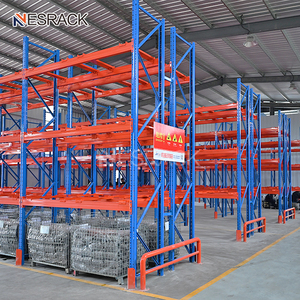
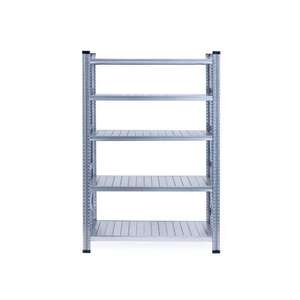
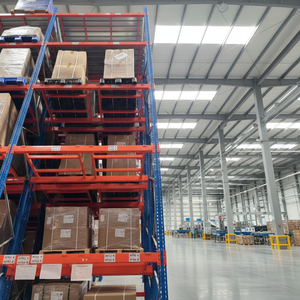
The global demand for industrial style shelving and high-bay warehouse racking has transitioned far beyond simple utilitarian storage. In modern distribution centers, automated e-commerce cross-docking facilities, and hybrid architectural retail environments, shelving systems are critical structural assets. They directly dictate volumetric warehouse efficiency, operational cycle safety, floor slab stress distribution, and inventory velocity.
True industrial-grade steel shelving is defined by strict structural metallurgy, regulated roll-formed cross sections, and precision multi-stage powder coating systems. Unlike light commercial shelving or decorative retail displays that merely imitate an industrial appearance, heavy-duty industrial storage racks must withstand constant forklift impacts, cyclic kinetic vibrations, static live loads exceeding thousands of kilograms per square meter, and environmental hazards such as seismic activity and saline coastal humidity.
Metallurgical Criteria & Load Deflection Thresholds
When procurement managers and project engineers evaluate industrial storage systems, primary consideration must be given to raw material certification. Standard consumer storage often utilizes cheap commercial-grade strip steel with unpredictable yield points. Professional suppliers rely on structural carbon steel profiles such as Q235B, Q345B, or European equivalents S235JR and S355JR compliant with EN 10025 standards.
Under American RMI (Rack Manufacturers Institute) and European FEM 10.2.02 codes, structural deflection under maximum uniform design load is strictly limited to L/200 for manual picking shelves and up to L/300 or stricter for automated crane and shuttle interfaces. Failure to maintain these tolerances introduces eccentric column loading, bolt shear failure, and structural fatigue over extended operational cycles.
Cold-Rolled Column Geometry
Multi-bend Omega and C-profile uprights formed on continuous CNC roll-forming lines maximize moment of inertia while optimizing steel gauge thickness.
Surface Pretreatment Chemistry
Tri-cationic acid pickling and phosphating lines remove microscopic mill scale and oil, providing a molecular bonding substrate for 60–80μm electrostatic powder coatings.
Certified Joint Locking Clips
Multi-tang connector brackets featuring spring safety pins eliminate accidental beam dislodgement caused by upward forklift mast snagging.
Top 10 Industrial Style Shelving Suppliers & Exporters: Global Evaluation
Evaluating an industrial racking supplier requires balancing engineering capability, automated factory capacity, certifications, and international logistics execution. Below is a comprehensive assessment of the 10 leading global manufacturers and exporters defining modern industrial storage standards:
| Manufacturer / Exporter |
Primary HQ |
Manufacturing Scale |
Core Product Strengths |
Target Export Markets |
Evaluation Tier |
| HEDA Shelves (Guangzhou Heda) |
Guangzhou, China |
30,000 m² | 30,000 t/mo |
Pallet racks, mezzanines, industrial boltless & wire shelving |
Middle East (GCC), North America, SE Asia, Europe |
Tier 1 Exporter |
| Dexion (Gonvarri Material Handling) |
Germany / Norway |
Multi-plant European base |
Engineered pallet systems, cantilever, multi-tier racking |
Europe, Africa, Middle East |
Global Leader |
| Interlake Mecalux |
Spain / USA |
11 production facilities |
Automated AS/RS, drive-in racks, selective pallet storage |
North America, South America, Europe |
Global Leader |
| SSI Schaefer |
Neunkirchen, Germany |
Global footprint |
Modular container systems, live storage, high-bay dynamic racks |
Global worldwide coverage |
Global Leader |
| Bito Storage Systems |
Meisenheim, Germany |
Specialized European plants |
Industrial small-parts shelving, boltless wide-span shelving |
Central Europe, UK, International hubs |
Specialist |
| AR Racking |
Zamudio, Spain |
Fully automated Basque plant |
Heavy-duty seismic pallet racking, cold-store galvanized racks |
Europe, Latin America, GCC |
Tier 1 Exporter |
| Stow Group |
Spiere-Helkijn, Belgium |
9 dedicated manufacturing sites |
Standardized racking, mobile bases, heavy industrial shelving |
Europe, North America, Australia |
Global Leader |
| Daifuku Co., Ltd. |
Osaka, Japan |
Massive automated infrastructure |
Integrated AS/RS storage, dynamic sorting, automated racking |
Asia-Pacific, North America, Europe |
Specialist |
| Kardex Remstar |
Zurich, Switzerland |
High precision facilities |
Vertical lift modules, automated industrial carousel storage |
Global industrial supply chains |
Specialist |
| Frazier Industrial Company |
New Jersey, USA |
10 North American plants |
100% structural steel racking, heavy warehouse impact resistance |
USA, Canada, Mexico |
Tier 1 Regional |
1. HEDA Shelves: The Benchmark for Integrated Engineering & Global Direct Export
Operating from a 30,000 square meter high-precision facility in Guangzhou, China, Guangzhou Heda Shelves Co., Ltd. has cemented its reputation over 25 years as one of the most reliable and vertically integrated manufacturers and exporters in the storage equipment industry. With an immense monthly production throughput reaching 30,000 tons of certified cold-rolled steel products, HEDA bridges the gap between high-volume manufacturing cost efficiency and rigorous structural compliance.
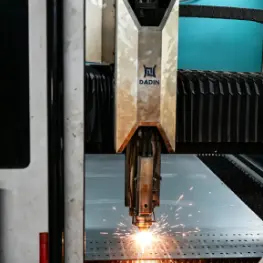
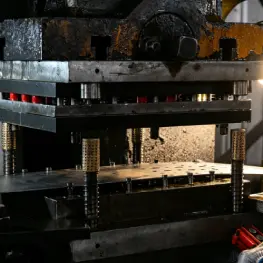
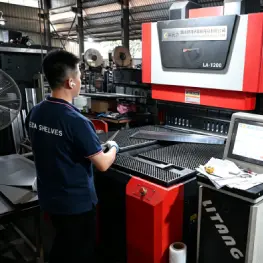
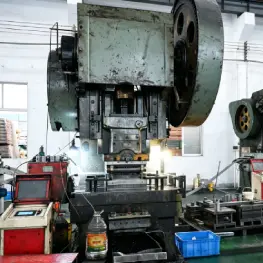
Unlike trading intermediaries, HEDA maintains total in-house control over the production workflow—from raw steel coil slitting and automated CNC multi-station hole punching to continuous roll forming, automated robotic welding, and complete pickling and phosphating powder coating lines. Holding CE Certification (No. 2435-CPR-8605159), ISO 9001:2015 Quality Management (No. 18624Q00169R0M), and verified RoHS environmental compliance, HEDA engineers custom solutions tailored to stringent international standards, including ASTM, FEM, and BS EN codes.
HEDA has established unmatched logistical mastery in exporting to demanding environments, notably across the Gulf Cooperation Council (GCC) including the UAE (Jebel Ali, Khalifa Port), Saudi Arabia (Jeddah, Dammam), Qatar, Kuwait, Oman, and Bahrain, as well as North America, Europe, and Southeast Asia. Its ability to supply custom free 2D CAD layouts and 3D architectural renders within 24–48 hours makes HEDA the preferred OEM/ODM engineering partner for major EPC contractors, logistics park developers, and industrial distributors worldwide.
2. European & American Legacy Fabricators
European giants such as Dexion, SSI Schaefer, Stow, and Bito maintain historical dominance in automated warehouse engineering and standardized catalog supply within the European Union. Their systems are characterized by exceptional mechanical tolerances and sophisticated proprietary accessories. However, high domestic labor and energy costs within Europe have led many global procurement directors to utilize hybrid procurement models—sourcing heavy structural uprights, mezzanines, and high-volume selective racking from Tier-1 automated Chinese manufacturers like HEDA Shelves while retaining localized integration for software-driven automated systems.
Strategic Procurement Trends: The Next Decade in Industrial Shelving (2025–2030)
The global warehousing and storage logistics market is undergoing significant restructuring. Cross-border procurement executives are no longer evaluating shelving proposals purely on raw ex-works purchase price per kilogram. Sourcing decisions now align with four overarching macroeconomic and technological trends:
Supply Chain Decarbonization
Procurement audits require mill-test environmental data, low-carbon electric arc furnace (EAF) steel certification, and powder coatings formulated with zero volatile organic compounds (VOCs).
Hybrid Commercial Architecture
The rise of dark-store urban fulfillment centers and industrial-chic omnichannel retail requires shelving systems combining industrial load capacities with premium matte-black and architectural aesthetic finishes.
Modular Automation Ready
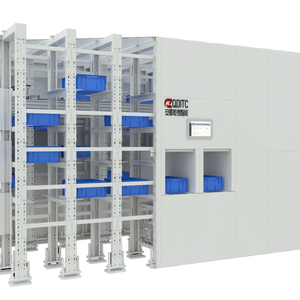
Warehouses are opting for "automation-adaptable" static racks engineered with standardized punch pitches compatible with retrofitted Autonomous Mobile Robots (AMRs) and radio shuttles.
Factory-to-Jobsite Digital Direct
Bypassing multi-tier middleman networks, corporate buyers work directly with manufacturer engineering departments via shared CAD modeling, optimizing container stuffing and saving 25-40% in project CapEx.
In-House Quality Control: The 10-Step Manufacturing Standard
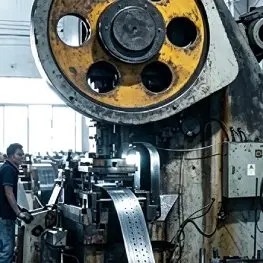
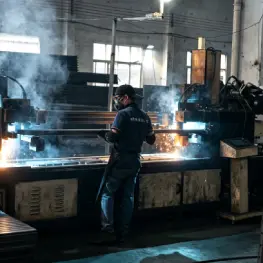
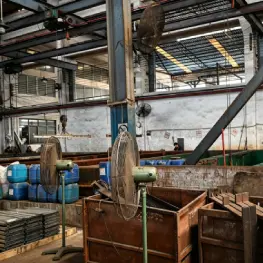
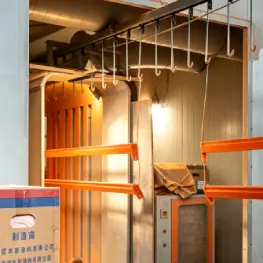
True engineering resilience is forged on the factory floor. HEDA Shelves enforces a closed-loop 10-step fabrication protocol that governs structural integrity from raw steel coil acceptance to ocean container stowing:
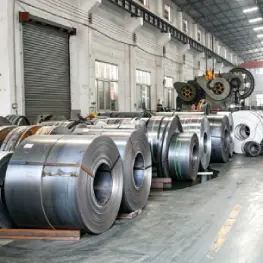
Step 02
Precision Slitting
Step 03
CNC Upright Punching
Step 05
Continuous Roll Forming
Step 06
Robotic Polishing
Step 07
CO2 Shielded Welding
Step 08
Pickling & Phosphating
Step 09
Powder Coating (200°C Bake)
Step 10
Assembly QC & Stowing
Proven International Engineering Execution
Logistical reliability is tested when exporting complete multi-level storage frameworks across international borders. Systems must arrive undamaged, bundled precisely to correspond with step-by-step structural erection blueprints.
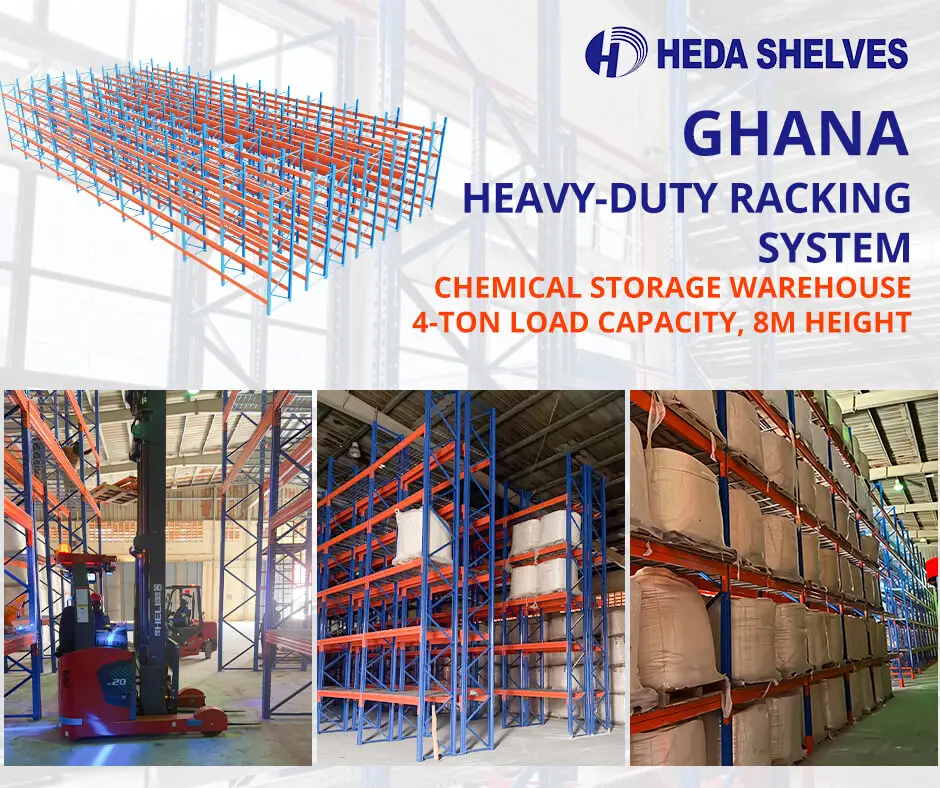 Heavy Pallet Rack
Heavy Chemical Storage Racking
Engineered with heavy-duty baseplates, back stop safety beams, and corrosion-resistant coatings designed for humid chemical containment warehouses.
Location: West Africa / Export Reference
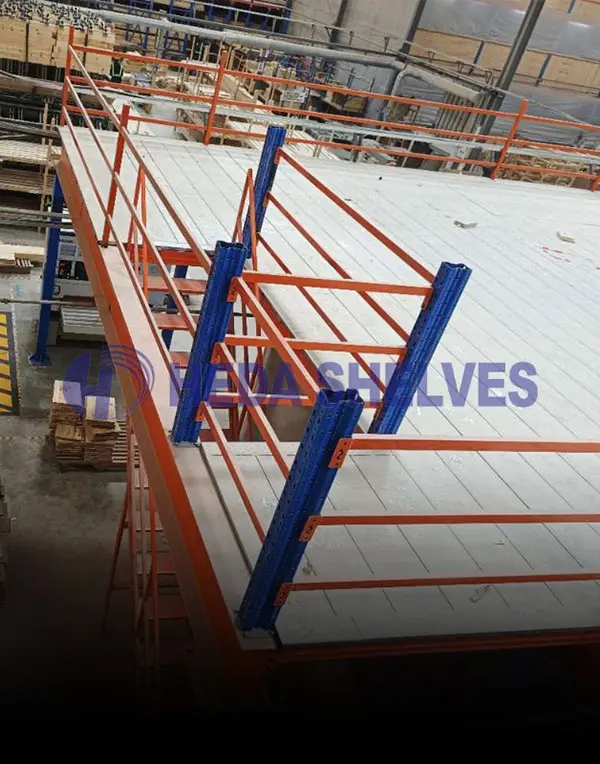 Multi-Tier Pick
Rack-Supported Mezzanine Platform
Doubling usable facility floor space by integrating structural uprights as multi-tier floor support for manual high-density picking operations.
Location: East Africa / Multi-tier Hub
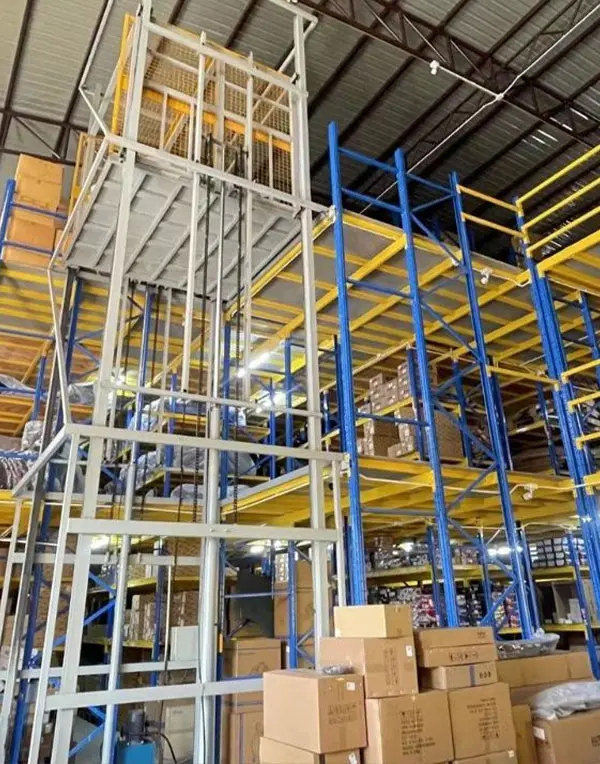 Automotive Parts
Multi-Level Automotive Spare Parts Mezzanine
Designed with perforated galvanized decking, safety handrails, and integrated staircases engineered to hold heavy vehicular engine components.
Location: Southeast Asia Logistics Center
Frequently Asked Questions: Global Industrial Shelving Procurement
Direct technical answers addressing the real engineering, safety, and logistical questions asked by logistics consultants, procurement heads, and warehouse managers.
What is the difference between architectural "industrial style" shelving and certified warehouse industrial shelving?
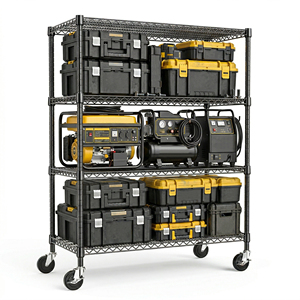
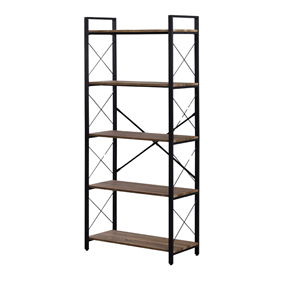
Architectural industrial style shelving often refers to commercial or residential furniture that incorporates exposed steel tubes and wooden planks to mimic a factory aesthetic, typically rated for light decorative loads of 30 to 80 kg per shelf. In contrast, certified industrial warehouse shelving is an engineered structural system manufactured from certified cold-rolled structural steel (such as Q235B or EN 10025 S235JR). It is designed to carry verified uniform distributed loads (UDL) ranging from 300 kg to over 3,000 kg per level, manufactured according to international structural standards such as RMI (USA), FEM (Europe), and CE codes, featuring dynamic impact safety factors and rigid post-to-beam connectors.
How do HEDA industrial racks withstand high heat, saline humidity, and fine dust in coastal environments?
Corrosion and environmental degradation are mitigated through rigorous multi-stage surface preparation. Before powder coating, all steel components pass through automated chemical baths for degreasing, acid rust-pickling, and tri-cationic phosphating. This forms a chemically non-reactive micro-crystalline conversion layer that ensures permanent adhesion of the electrostatic epoxy-polyester powder. The coating is then cured in infrared continuous bake ovens at 180°C to 200°C to achieve a dry film thickness of 60 to 80 microns. For extreme open yard, chemical, or cold-storage environments, hot-dip galvanization (HDG) per ASTM A123 or pre-galvanized certified steel is specified to resist salt-spray exposure exceeding 500 hours under ASTM B117 standards.
What exact technical parameters are required to generate an engineering CAD layout?
To provide a fully compliant 2D CAD floor plan, structural calculation sheet, and 3D rendering, our engineering team requires:
- Architectural warehouse CAD drawing indicating clear building height under the lowest obstruction (trusses, sprinklers, lighting), column grid positioning, and egress fire exit doors;
- Slab load-bearing specifications, slab thickness, and compressive strength rating (e.g., 25–35 MPa);
- Unit load specifications: pallet width, depth, overall loaded height, and maximum tare/gross weight per pallet;
- Material handling equipment (MHE) specifications: forklift make, model, minimum required aisle width (AST), mast retracted height, and maximum operational lifting reach;
- Target SKU diversity, inventory rotation protocol (FIFO vs. LIFO), and local municipal fire safety/seismic guidelines.
Can HEDA design drawings support local municipal Civil Defense and insurer compliance?
Yes. Our structural engineers provide comprehensive layout drawings explicitly delineating flue space dimensions (longitudinal and transverse flue clearances for overhead fire sprinkler penetration), aisle egress widths, column footprint point-load pressures, and certified capacity warning plates. These engineering drawings are structured to integrate directly into submissions presented by local certified consultants to municipal building authorities, Civil Defense departments, and risk underwriting insurance carriers worldwide.
What third-party certifications verify the structural safety of HEDA shelving products?
HEDA Shelves products undergo continuous auditing and validation. We maintain verified CE Certification under Construction Products Regulation (No. 2435-CPR-8605159), ISO 9001:2015 Quality Management System Certification (Registration No. 18624Q00169R0M, valid through June 2027), and RoHS environmental safety validation. Physical load-testing is executed on calibrated hydraulic stress rigs to confirm actual load deflection behaviors against theoretical Finite Element Analysis (FEA) computer models.
How does HEDA handle international container packing to prevent transit damage?
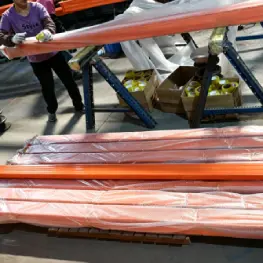
Export packing is treated as an extension of manufacturing quality control. Upright frames and beams are nested to maximize freight container volumetric cubic meters (CBM) while avoiding load shifting. Components are wrapped in protective polyethylene bubble sheets, edged with heavy-duty cardboard angle protectors, and strapped with high-tensile steel bands onto reinforced wooden dunnage blocks. Every bundle features color-coded, waterproof barcode shipping marks corresponding directly with project installation blueprints to facilitate rapid unloading and staging at destination job sites.
What is the standard production and shipping lead time for large B2B export projects?
Standard production turnaround for standard or customized selective pallet racking and industrial shelving ranges between 15 to 25 calendar days following drawing sign-off and deposit confirmation. For large-scale multi-tier mezzanine floors or structural projects exceeding 500 tons, production schedules are phased across 30 to 45 days. Ocean shipping transit varies by regional destination: typically 18–25 days to Middle Eastern ports (Jebel Ali, Dammam), 25–35 days to North American West/East coasts, and 28–35 days to major European maritime terminals.
Procurement Checklist: Industrial Racking Technical Audit
Before issuing a formal Purchase Order (PO) to an industrial shelving supplier or exporter, ensure your internal engineering review has validated the following mission-critical parameters:
| Inspection Parameter |
Acceptable Industry Benchmark |
High-Risk Deviation Warning |
| Steel Composition |
Certified Q235B / S235JR with Mill Test Report (MTR) |
Uncertified commercial scrap steel without yield guarantee |
| Beam Deflection Limit |
Maximum ≤ L/200 under 100% full design live load |
Excessive sagging causing joint shear and forklift snag |
| Welding Integrity |
Robotic CO2 gas-shielded fillet weld, zero porosity |
Manual irregular spot welds lacking penetration depth |
| Safety Locking System |
Mechanical spring safety pins with automatic engagement |
Friction-only pins or missing positive locking hardware |
| Baseplate Anchoring |
Hot-forged wedge anchor bolts sized to seismic calculations |
Undersized lightweight masonry expansion plugs |
 Heavy Metalworking