Engineered Systems
Precision High Density Storage & Industrial Racking
Manufactured using cold-rolled structural steel coils, high-tolerance automated CNC punching, and electrostatic thermoset finishes to sustain heavy distribution operations.
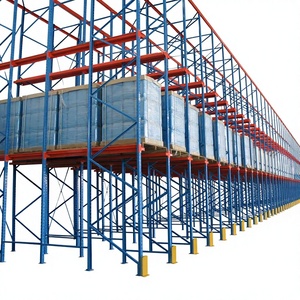
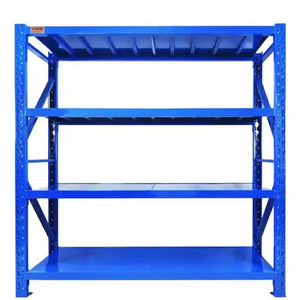
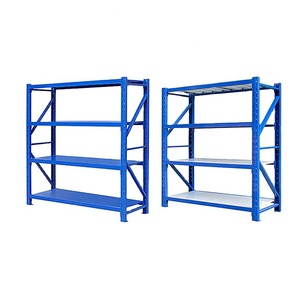
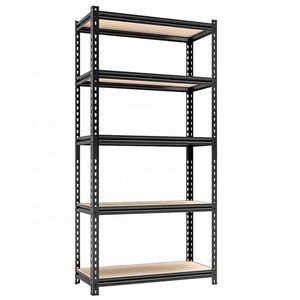
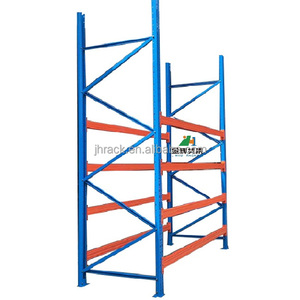
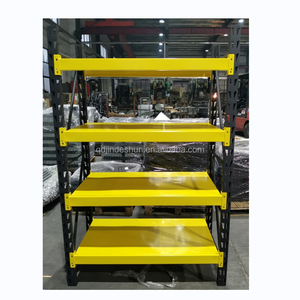
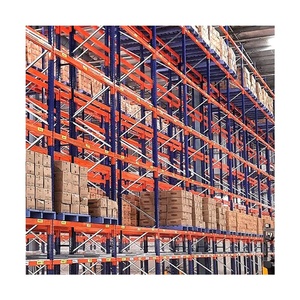
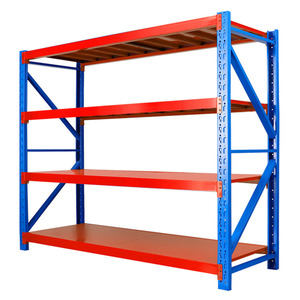
High-density pallet racking systems represent the critical operational foundation of global supply chains. As land acquisition costs surge and warehousing footprint efficiency becomes synonymous with margin optimization, structural safety, steel grade durability, and compliance certifications like the European CE standard define industrial infrastructure ROI.
25+
Years Manufacturing (Since 2001)
30,000
Tons Monthly Production
10,000+
Completed Installations
120+
Export Nations (GCC & Global)
Strategic Engineering: The Imperative of CE Certified Pallet Racking
Industrial warehousing entails sustained static loads combined with dynamic kinetic impacts from reach trucks, counterbalanced forklifts, and automated guided vehicles (AGVs). Racking structures fabricated without validated structural calculations or verifiable third-party testing present severe financial, insurance, and human-safety hazards. Under the European Regulation for Construction Products (EU No 305/2011 - CPR), industrial pallet racking must satisfy stringent Harmonized Standards (such as EN 15512 for structural design and cold-formed thin-gauge components, EN 15620 for tolerances and clearances, and EN 15635 for application and maintenance).
Our CE certified manufacturing infrastructure guarantees comprehensive metallurgical traceability from Q235B and Q355B certified hot-rolled coil to finished cold-roll-formed omega uprights and box beams. Each roll-forming line utilizes multiple automated continuous passes to eliminate residual internal stress, preventing post-fabrication twisting or localized buckling under rated capacities exceeding 4,500 kg per beam level.
Certified Structural Steel
Mill-tested structural grade steel with certified yield strengths, mill test certificates (MTCs), and rigorous ultrasonic flaw inspection.
EN 15512 Structural Compliance
Engineered to absorb torsional flexing, dynamic seismic shear loads, and longitudinal braking stresses with built-in safety margins.
High-Accuracy Roll Forming
Multi-station automated rolling equipment maintains profile dimensional tolerances within +/- 0.5 mm over continuous 12-meter upright lengths.
Pretreatment & Finishing
Immersion degreasing, ultrasonic phosphating, and electrostatic epoxy-polyester powder thermosetting cured at 200°C for corrosion resistance.
Comparative System Analysis: High Density Racking Topologies
Selecting the appropriate storage typology requires matching warehouse operational parameters—such as SKU velocity, clear mast height, pallet uniformity, and stock turnover models (FIFO vs. LIFO)—with physical space utilization. The engineering matrix below contrasts primary structural formats:
| Racking Architecture | Space Utilization | SKU Selectivity | Stock Rotation | Optimal Industry Application |
|---|---|---|---|---|
| Selective Pallet Racking | 40% – 50% | 100% Direct Access | FIFO (Flexible) | FMCG, 3PL Warehousing, Retail Distribution Hubs |
| Drive-In / Drive-Through | 70% – 85% | Low (Batched SKUs) | LIFO / FIFO | Cold Storage, Beverage Depots, High-Volume Monoproducts |
| Radio Shuttle Automation | 80% – 90% | Medium (Channel-Based) | Dynamic FIFO / LIFO | Deep-Freeze Rooms, Food Processing, Pharmaceutical Plants |
| Gravity Pallet Flow | 65% – 75% | Medium (Lane-Dedicated) | Strict FIFO | Perishable Goods, Dairy, Date Packing, Chemical Resins |
| Push-Back Cart Racking | 60% – 70% | Medium (2–6 Pallets Deep) | LIFO | Intermediate Storage, Auto Spares, Medium-Rotation SKUs |
Future Procurement & Technological Trends Shaping the Industry
Modern material handling has entered an era of automation, micro-fulfillment, and data-driven supply networks. Procurement directors, warehouse engineers, and plant managers are designing facilities around forward-looking paradigms:
1. Automation-Ready Racking (ASRS)
The shift toward stacker cranes, 4-way shuttles, and Autonomous Mobile Robots (AMRs) demands sub-millimeter beam deflection controls (1/200th span deflection ceilings) and specialized sensor target interfaces integrated directly into column profiles.
2. High-Bay Verticality Maximization
Industrial facilities now leverage vertical roof clearances beyond 15 to 22 meters. Single-piece upright roll forming and integrated seismic floor anchoring reduce splice connections, ensuring rigid lateral stiffness under heavy building-supported loads.
3. Thermal & Lifecycle Efficiency
In refrigerated and cold-chain facilities, maximizing cubic density reduces energy expenditure per pallet position. Racking frameworks are finished with specialized powder chemistries and continuous hot-dip galvanization that withstand thermal cycling down to -30°C.
Why Leading Global Logistics Hubs Choose HEDA Shelves
Founded in 2001, Guangzhou Heda Shelves Co., Ltd. has grown from an industrial shelving workshop into a specialized racking design, manufacturing, and international engineering export leader. Operating across a 30,000 square meter modernized manufacturing complex staffed by over 300 experienced engineers and technicians, HEDA delivers factory-direct pricing, certified quality controls, and custom architectural solutions worldwide.
30,000 m² Production Base
High-output automated roll-forming and welding lines ensuring predictable lead times and reliable container shipments.
30,000 Tons Monthly Output
High-volume raw material procurement agreements secure competitive unit pricing and steady material supply for large projects.
Complimentary CAD & 3D Design
Senior structural engineers prepare 2D floor plans, seismic calculations, and 3D architectural renderings before metal is cut.
Full Middle East & Global Support
Extensive experience with port logistics, civil defense compliance, and project delivery across Jebel Ali, Dammam, and worldwide ports.
End-to-End In-House Manufacturing Quality Control
Every structural member manufactured in our facility undergoes a standardized 10-step production workflow, eliminating outsourcing defects and ensuring comprehensive component traceability:
Step 01
Raw Material QC
Step 02
Precision Slitting
Step 03
CNC Upright Punching
Step 04
Cold Bending Forming
Step 05
Roll Profile Forming
Step 06
Surface Polishing
Step 07
Robotic Fixture Welding
Step 08
Pickling & Phosphating
Step 09
Powder Thermosetting
Step 10
Pack & Load Audit
Equipping a New Facility or Upgrading Storage Density?
Connect with our senior racking engineering group. We provide complimentary facility design calculations, load distribution analyses, and tailored commercial tenders within 24 hours.
High Density Pallet Racking Procurement: Frequently Asked Questions
What specific design inputs are required to engineer an optimized warehouse racking layout?
To prepare an accurate structural layout and load specification, our engineering team requires:
- Architectural DWG CAD floor plans indicating clear height beneath roof purlins, column grids, perimeter walls, and sprinkler clearances.
- Pallet dimensions (Width x Depth x Height, including product overhang) and maximum gross weight per pallet.
- Forklift fleet specifications: truck model, aisle width requirements (AST), mast staging, and maximum lifting reach.
- Operating ambient temperature profiles (ambient, conditioned, chilled, or -25°C deep-freeze).
- Seismic zone classifications and concrete floor slab thickness/reinforcement data.
How does CE Certification (EN 15512) safeguard commercial buyers and facilities operators?
CE Certification validates that the storage racks satisfy mandatory European design, testing, and production control regulations. For facility owners and operators, this provides certified verification that load charts, beam connector capacities, upright yield limits, and deflection ratios comply with real-world operating standards. This certification streamlines insurer underwriting, satisfies Civil Defense structural audits, and mitigates facility liability during audits.
How does HEDA prevent corrosion in high-humidity or coastal desert regions?
Our multi-stage metal treatment process includes chemical immersion degreasing, ultrasonic water rinsing, acid pickling, and zirconium-iron phosphating prior to powder application. This prepares the bare cold-rolled steel surface to form an integrated bond with our electrostatic epoxy-polyester thermoset powder coating. For aggressive external environments, salt-mist maritime logistics yards, or washdown zones, hot-dip galvanization (HDG according to ISO 1461) provides long-term barrier protection.
What is the typical manufacturing lead time for standard versus customized racking projects?
Standard selective pallet racking components and standard-dimension boltless angle shelving ship within 10 to 18 business days. Complex engineered installations—including multi-tier rack-supported mezzanines, structural mezzanines, automated radio shuttle lanes, or custom-pitch beam frameworks—generally ship within 20 to 30 days from final approved CAD submittals.
Does HEDA provide remote technical supervision and installation engineering?
Yes. Every project includes comprehensive 3D assembly shop drawings, numbered bundle tags matching export container manifests, and step-by-step structural erection guidelines. Our engineering department provides remote video review meetings with local contractor teams, and on-site factory installation supervisors can be deployed for major distribution hubs and high-bay projects across GCC ports and international markets.