Heavy-Duty Racking & High-Density Storage Deployments
Fabricated from certified structural Q235B/Q355B cold-rolled steel coil, each system delivers verified uniform distributed load (UDL) ratings compliant with CE certification standards (No. 2435-CPR-8605159).
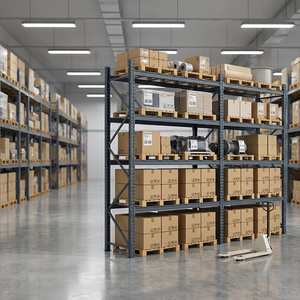
Multi-level boltless heavy-duty steel stack racks designed for PCR and TBR tire cradles. Features modular interlocking feet for seismic resistance.
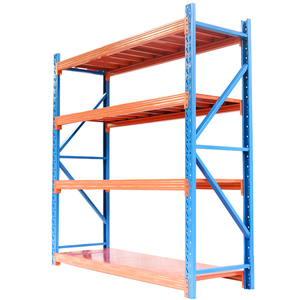
Electrostatic powder-coated freestanding shelving for wheel and rim assembly storage, featuring pickling-phosphating corrosion barrier protection.
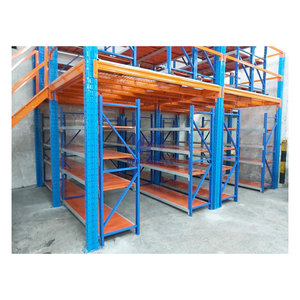
High-bay structural mezzanine system doubling footprint efficiency. Configured for manual tire sorting levels with integrated heavy pallet bases.
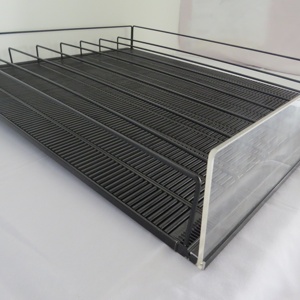
Inclined steel roller track systems ensuring strict First-In, First-Out (FIFO) material movement for rubber goods, accessories, and boxed automotive parts.
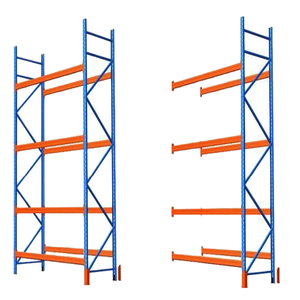
Step-beam construction with 75mm pitch adjustability. Optimized for palletized agricultural, OTR, and commercial truck tire distribution bays.
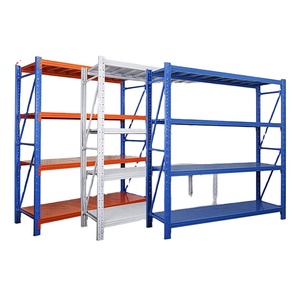
Versatile upright configuration with corrugated steel decking. Engineered for passenger vehicle tire treads without sidewall deformation.
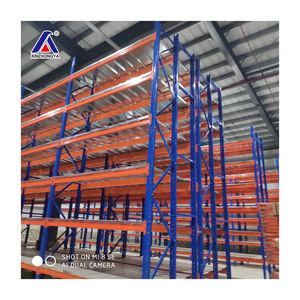
High-tensile certified Chinese standard Q235B structural steel framework with laser-welded connector tabs and dual safety lock pins per beam.
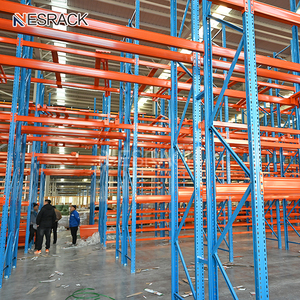
Flagship warehouse industrial rack system. Integrated column protectors and guide rails make this suitable for reach-truck and VNA applications.
1. Structural Engineering & CE Compliance for Industrial Tire Racks
In modern industrial logistics, tire storage presents structural dynamics unlike conventional palletized FMCG operations. Rubber tires generate non-uniform point loads, localized tread contact pressures, and distinct horizontal expansion forces when nested or barrel-stacked. Sourcing from accredited CE certified industrial tire rack manufacturers and factories guarantees that structural calculation models comply with European Standard EN 15512:2020 (Steel static storage systems - Adjustable pallet racking systems - Principles for structural design) and EN 15620 for deformation tolerances.
Under CE Marking Directive regulations (specifically System 2+ Construction Products Regulation (EU) No 305/2011), structural steel tire racks must exhibit verified yield strengths and calculated elastic limit limits under maximum dead and live loads. Guangzhou Heda Shelves Co., Ltd. applies certified Q235B and Q355B hot-rolled strip steel manufactured via high-precision continuous cold roll-forming machines. This achieves a minimal deflection coefficient exceeding L/200 (where deflection does not exceed 1/200th of the clear beam span), preventing torsional beam twist caused by uneven radial tire loads.
2. Engineering Matrix: Comparing Industrial Tire Racking Methodologies
Selecting the optimal tire storage geometry requires balancing warehouse footprint cost, volumetric building height, picking selectivity, and stock rotation requirements. The matrix below outlines how primary tire racking typologies compare under heavy industrial warehouse criteria:
| Racking Topology | Storage Density | SKU Selectivity | Tire Loading Geometry | Optimal Operational Sector | CE Safety Rating |
|---|---|---|---|---|---|
| Selective Tire Beam Racking | Moderate (45-55% footprint utilization) | 100% Instant Direct Access | Vertical Tread Standing on custom barrel beams | Automotive Service Hubs, Regional Tier-2 Distribution | EN 15512 Certified |
| Modular Portable Stack Racks | High (65-75% footprint utilization) | Batch Access (LIFO / Block Stack) | Horizontal Laced / Interlaced Stacking (4 to 6 tiers high) | Tire OEM Manufacturing Plants, Export Staging Buffers | CE Approved Stacking Pins |
| Rack-Supported Tire Mezzanine | Very High (Multiplies vertical volume) | 100% Manual Hand-Pick Selectivity | Segmented upright dividers with drop-in dividers | Fast-fit Retailers, E-commerce Logistics, Auto Spare Parts | EN 1090-1 Structural Steel |
| Radio Shuttle High-Density Racking | Maximum (80-88% footprint utilization) | Lane Selectivity (FIFO or LIFO) | Palletized custom steel skids handled via automated shuttle | Giga-Hub Tier-1 Tire Plants, Cold/Harsh Buffer Storage | CE Machinery & Structural |
3. Global Procurement Trends in Industrial Tire Storage (2025–2030)
Procurement directors, supply chain VPs, and third-party logistics (3PL) warehouse engineers are experiencing a paradigm shift in tire storage requirements. Strategic procurement trends reveal three core vectors defining factory contracts over the next half-decade:
A. The Electric Vehicle (EV) Weight Multiplier & Rim Protection
Electric vehicle tires feature denser sound-deadening foam linings, reinforced sidewalls, and significantly higher curb weight specifications—often weighing 20% to 35% more than equivalent internal combustion engine (ICE) tires. Consequently, industrial racking procurement schedules are eliminating lightweight light-duty shelving in favor of minimum 1,500 kg-per-pair beam limits to accommodate these higher payloads without progressive structural creep.
B. NFPA 13 Strict Fire Suppression Harmonization
Rubber tires generate dense, high-heat Class IV chemical fires. Insurance carriers and municipal Civil Defense authorities across the Middle East, Europe, and North America enforce rigorous compliance with NFPA 13 rubber tire storage guidelines. This necessitates rack designs incorporating minimum 6-inch vertical longitudinal flue spaces and open-wire mesh decking rather than solid timber boards, allowing in-rack sprinkler water to penetrate through lower tire levels instantaneously.
C. Modular Dismountable Logistics (Demountable Posts)
With ocean freight volatility and warehouse lease terms shortening, industrial stack racks with removable corner posts are dominating high-volume bulk tenders. When loaded, they stack 4 to 6 units high; when empty, posts collapse into the skid base, yielding a 4:1 or 5:1 return shipping nesting ratio that dramatically cuts backhaul transport costs.
4. Advanced Manufacturing & Surface Treatment Excellence
Operating in harsh environments—from the extreme coastal humidity and heat of Dubai, Dammam, and Jeddah (+50°C summer conditions) to European freezing storage facilities—demands surface protection far beyond decorative spray painting. Guangzhou Heda Shelves Co., Ltd. incorporates an integrated 10-step surface preparation and finishing protocol within its 30,000 m² factory:
Every cold-formed upright column and beam connector undergoes automatic shot-blasting, acid pickling to eliminate mill scale, and zinc phosphating to establish an inert crystalline bonding layer. Components then enter continuous electrostatic powder-coating tunnels charged with thermosetting epoxy-polyester resins cured at 200°C. This industrial finish exceeds 500 hours of continuous salt-spray corrosion resistance (ISO 9227 standards), ensuring your industrial tire racks resist chemical degradation, brake fluid spills, tire bloom blooming waxes, and abrasion.
Direct Manufacturing Competence by HEDA Shelves
Headquartered in Guangzhou with over two decades of engineering excellence, we eliminate trading intermediaries to supply project-ready storage hardware directly to your port.
Full OEM & ODM Custom Fabrication
We tailor beam length, upright gauge (1.5mm to 3.0mm thickness), cradle radius, and stacking post profiles exactly to your tire dimensions, forklift turning radii, and warehouse column spans.
Free 2D CAD & 3D BIM Layout Design
Before placing steel into production, our structural engineers deliver complete CAD floor plans, calculation sheets, and 3D visual renderings to verify clearance, aisle sizing, and building column alignment.
Certified European Compliance (CE & ISO)
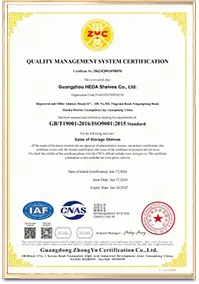
Operate with complete regulatory confidence. Our production follows ISO 9001:2015 quality control (No. 18624Q00169R0M) and verified CE certification (No. 2435-CPR-8605159) for tender authorization.
Traceable Compliance & Factory Audit Standards
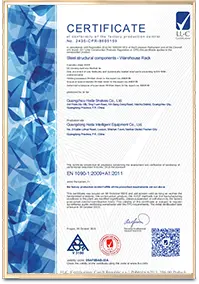 CE Certification (CPR-8605159)
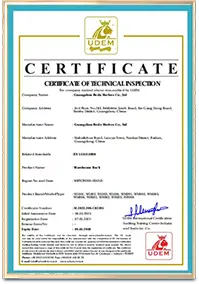 ISO 9001:2015 Quality System
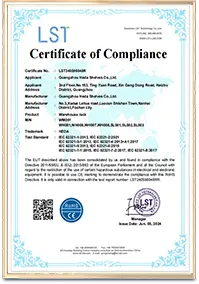 RoHS Powder Coating Standard
 Mechanical Load Test Report
Frequently Asked Questions (FAQ)
Detailed technical answers for warehouse operations managers, procurement officers, and EPC consultants sourcing industrial tire storage racks.
What specific European norms define a CE certified industrial tire rack? +
How do you prevent tire tread deformation and bead damage during long-term racking? +
Can your engineering team calculate localized seismic ratings for GCC, Chilean, or European zones? +
What information is required to receive a complete 2D layout and 3D engineering quote? +
How are high-volume tire rack shipments packaged to ensure damage-free ocean freight? +
What is the standard manufacturing lead time for full 40ft High-Cube container projects? +
Consult with Certified Racking Engineers Today
Whether you require custom tire nesting stack racks, multi-tier mezzanine floors, or heavy selective pallet systems, partner directly with an established, CE certified manufacturer since 2001. Receive free CAD layout planning, verified structural calculation sheets, and direct-factory pricing.
Send an Inquiry