Engineering-Grade Warehouse Pallet Racks
Certified, load-tested structural configurations built for global export compliance, high-density warehousing, and harsh ambient profiles.
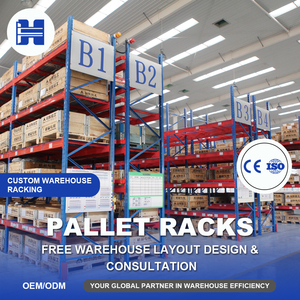
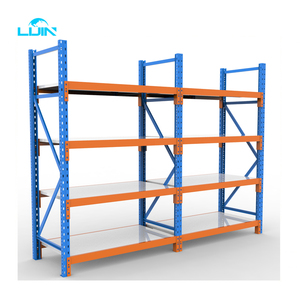
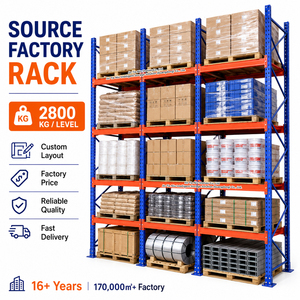
2800KG 5 Levels High Bay Industrial Pallet Racking Heavy Duty Warehouse Rack System
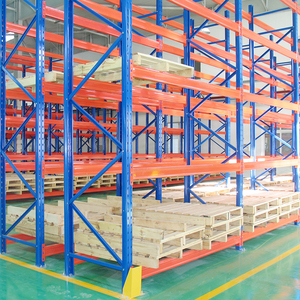
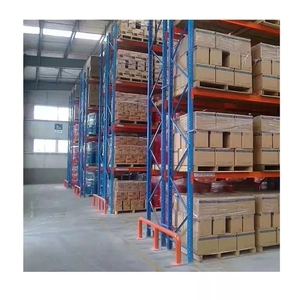
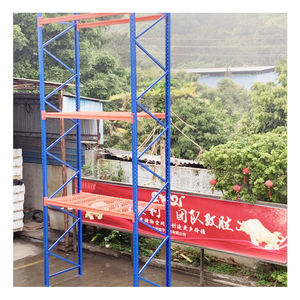
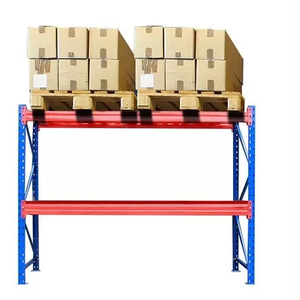
Heavy Duty Racking System - Selective Pallet Racking System
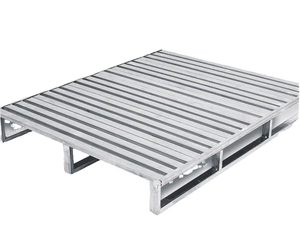
Comprehensive Procurement Guide: Industrial Racking Systems from China
Global logistics demand has shifted from static storage buffers to dynamic, throughput-driven distribution centers. Selecting the ideal pallet racking system directly influences forklift operational efficiency, pick-face velocity, structural safety, and overall Capital Expenditure (CapEx). A high-performance racking project requires analyzing structural metallurgy, concrete foundation dynamics, deflection ratios, and regional building codes.
As one of China's premier racking production hubs based in Guangzhou, HEDA Shelves engineers heavy-duty structural and roll-formed racking frameworks. By matching raw high-tensile hot-rolled steel coils (Q235B and Q355B) with high-precision CNC punch profiling and multi-stage surface treatments, industrial infrastructure is fortified against micro-fissuring, buckling, and aggressive ambient corrosion.
Comparative Engineering Analysis: Industrial Racking Systems
To assist logistics directors, supply-chain consultants, and EPC contractors in selecting systems tailored to specific operational profiles, the matrix below details mechanical parameters across widespread storage architectures:
| Racking Topology | Pallet Selectivity | Floor Space Utilization | Forklift Compatibility | Typical Inventory Strategy | Load Capacity (per tier) |
|---|---|---|---|---|---|
| Selective Pallet Racking | 100% (Direct Pick) | 35% - 40% | Counterbalance, Reach Trucks | FIFO (First-In, First-Out) | 1,000 kg – 4,500 kg |
| Double Deep Racking | 50% Immediate | 50% - 60% | Pantograph / Deep Reach | FILO / Batch FIFO | 1,000 kg – 3,000 kg |
| Drive-In / Drive-Thru | Low (Last Pallet In) | 65% - 75% | Counterbalance, Narrow Cab | LIFO (Drive-In) / FIFO | 1,000 kg – 2,000 kg |
| Radio Shuttle Automation | Lane-Dependent | 75% - 85% | Standard Reach + Semi-Auto Shuttle | Flexible FIFO & LIFO | 500 kg – 2,000 kg |
| Very Narrow Aisle (VNA) | 100% (Direct Pick) | 55% - 65% | Man-Up / Turret Trucks (VNA) | FIFO (High Density, High Bay) | 1,500 kg – 4,000 kg |
| Structural Cantilever | 100% Linear | Variable (Long loads) | Side Loader, Standard Forklift | Specialized Profile Stacking | 500 kg – 3,000 kg / Arm |
Future Sourcing & Procurement Trends (2025–2030)
The global intralogistics landscape is experiencing structural changes driven by land costs, automation investments, and extreme weather profiles. Procurement teams must account for four distinct macro trends before selecting a China manufacturing partner:
1. Automated Storage & Retrieval System (ASRS) Interface Readiness
Warehouses are moving rapidly away from manual picking to automated guided vehicles (AGVs), Autonomous Mobile Robots (AMRs), and crane-based ASRS systems. This shift requires rack tolerances tighter than traditional manual handling standards. Millimeter-level roll-forming precision, minimal beam sag under dynamic loading, and specialized top-tie structures are now core baseline requirements.
2. Advanced Surface Treatment for Extreme Operational Climates
Cold-storage chains and Middle East operations demand resilient coating chemistry. Transitioning across intense sub-zero temperatures (-25°C) to coastal humidity (exceeding 85% RH at 45°C) causes rapid delamination in low-grade paints. Industrial buyers should prioritize automated, 9-stage pickling-phosphating cycles paired with thermosetting electrostatic epoxy-polyester hybrid powder coats that resist thermal cycling degradation.
3. Circular Steel Sourcing and Documented Carbon Intensity
European and American regulatory bodies are moving toward stricter environmental product declarations (EPD) and supply chain transparency. Sourcing from certified factories capable of documenting low-carbon electric arc furnace (EAF) steel sourcing, RoHS compliant non-toxic powder chemistry, and recyclability guarantees gives international distributors clear operational and compliance advantages.
Factory Floor Advantage: The HEDA Shelves Infrastructure
Guangzhou Heda Shelves Co., Ltd. operates an integrated, 30,000 square meter engineering and manufacturing complex. With an active monthly capacity exceeding 30,000 metric tons and more than 300 experienced technical professionals, the company provides end-to-end delivery from initial structural calculation to customs-cleared container transport.
In-House 10-Stage Production
From precision steel decoiling, automated multi-punching, and CNC cold-bending to certified carbon-dioxide shielded welding and robotic electrostatic coating lines, all processes remain 100% under our roof.
Free 2D/3D Engineering Layouts
We do not just sell steel; we optimize floor space. Our structural engineers create custom CAD floor plans, clear-height analyses, and full 3D interactive layout renderings before production begins.
Export Packaging Protection
All upright packs, cross-beams, and bracings are bundled with corrugated guards, structural air-cushions, and custom strapping that align with container loading plans, ensuring zero damage during ocean transit.
Installation, Safety Clearances & Permitting Standards
Specifying a heavy-duty storage system requires careful alignment with municipal safety authorities, including OSHA standards, NFPA 13 sprinkler clearances, and regional Civil Defense fire safety regulations. In international markets—especially the Middle East and the Americas—compliance hinges on precise spatial configurations:
Longitudinal Flue Space: A continuous vertical clearance of at least 150mm (6 inches) must be maintained between back-to-back rack rows. This flue chimney permits unhindered heat dispersal, triggering ESFR ceiling sprinkler heads swiftly during early thermal ignition phases.
Aisle Width Tolerances: Counterbalance forklift lanes demand a minimum operating clearance of 3.8 to 4.2 meters. Reach truck aisles typically require 2.7 to 3.0 meters, while VNA wire-guided or rail-guided equipment operates within a tight 1.6 to 1.9-meter clear space. Neglecting aisle sizing reduces travel speeds and substantially elevates frame impact risks.
Frequently Asked Questions (FAQ)
How do Chinese racking manufacturers handle structural seismic calculations?
Reputable tier-one factories design racking structures according to regional seismic classifications. Engineering calculations incorporate dead loads, live loads, seismic base shear (following ASCE 7 or Eurocode 8/EN 16681), and ground acceleration values. Upright frame depth, concrete anchor bolt embedment depths, baseplate thickness (typically 8mm to 12mm), and horizontal bracing patterns are adjusted accordingly.
What is the difference between standard Q235B and high-yield structural steel in racking?
Q235B possesses a nominal yield strength of 235 MPa, offering reliable ductility and weldability for standard, mid-load warehousing applications. In contrast, Q355B (355 MPa yield strength) is leveraged for high-bay uprights exceeding 10 meters, deep-lane drive-in configurations, and heavy multi-tier mezzanine supports. Utilizing Q355B minimizes overall steel gauge requirements while providing elevated resistance against torsional deflection and localized bucking.
What engineering documentation is required to generate an accurate design quote?
To produce an optimized CAD proposal and load matrix, provide: (1) Architectural warehouse CAD files highlighting structural column grids and clear ceiling heights; (2) Pallet dimensions (Length x Width x Height including cargo overhang); (3) Maximum combined pallet tare weight; (4) Specific forklift model specifications, mast collapsed height, and turning radii; (5) Operational temperature profiles.
How does the factory prevent paint peeling in high-humidity or cold-storage environments?
Paint failure usually traces back to improper surface degreasing rather than the paint itself. Our facility routes fabricated profiles through continuous chemical spray tunnels that execute hot alkaline degreasing, clean water rinses, acid pickling to eliminate scale, and zinc-phosphate conversion coating. This chemical conversion creates a crystalline substrate that anchors the electrostatic thermoset powder coat, preventing rust creep even if scratched.
Can container shipping logistics accommodate high-cube 40-foot pallet rack configurations?
Yes. Heavy upright frames and horizontal box-beams are nested systematically to maximize cubic container fill rates without exceeding road-weight limits. Upright frames exceeding 11.8 meters are fabricated with heavy-duty structural spliced connection joints, engineered and bolted on site, which allows streamlined transport in standard 40HC ocean containers.
Request an Engineered Layout & Direct Factory Quotation
Send our Guangzhou engineering team your site parameters. We will produce a validated 2D CAD floor plan, volumetric calculation, and detailed B2B price quote within 24 working hours.
Get a Quote