Featured Industrial Roller & Pallet Storage Systems
Engineered for harsh operating environments, continuous warehouse throughput, and strict FIFO/LIFO inventory management. Fully customizable beam pitches, roller wheel densities, and load capacities.
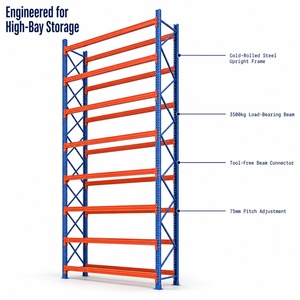 Heavy-Duty
High Bay Pallet Rack System 3500kg Load 7 Levels H7800mm Adjustable
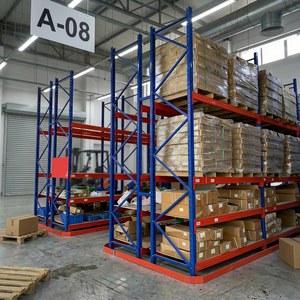 Anti-Corrosion
Adjustable Heavy Duty Cold Rolled Steel Epoxy Powder Coated Pallet Rack
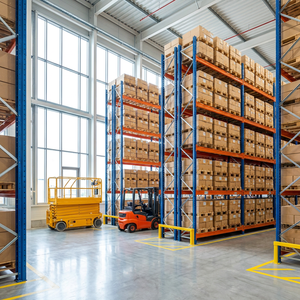 High-Density
Warehouse Equipment Heavy Duty Pallet Rack Steel Storage Racking
 VNA System
High Density Narrow Aisle Pallet Racking Adjustable Beam Steel Storage
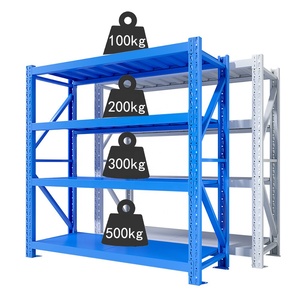 Manual Picking
Flexible Storage Medium Duty Industrial Shelving Rack System
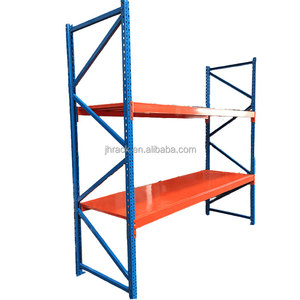 Galvanized
Custom Euro Very Narrow Aisle Racking Galvanized Pallet System
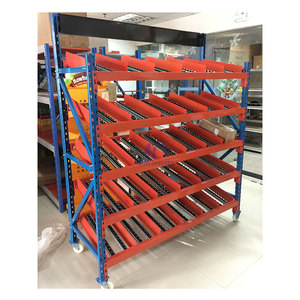 Lineside Roller
Customized Gravity Pallet & Carton Flow Lineside Roller Flow Rack
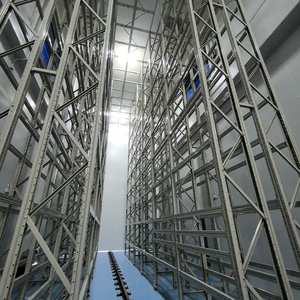 Heavy-Duty Beam
Adjustable Beam Rack System for Palletized Goods Storage Handling
Engineering White Paper: OEM/ODM Dynamic Roller Rack Manufacturing
Modern distribution logistics demands zero-failure physical infrastructure. As a dedicated OEM/ODM manufacturing facility, Guangzhou Heda Shelves Co., Ltd. builds structural gravity roller systems that convert standard static footprint into dynamic, self-feeding storage lanes.
Certified Cold-Rolled Steels
We source certified structural steels (SS400, Q235B, and high-tensile Q355B). Automated roll-forming ensures exact section modulus uniformity across continuous upright profiles, resisting lateral deflection under maximum static and dynamic shear forces up to 3,500 kg per bay level.
Dynamic Brake & Separator Controls
Unlike standard static racking, roller racks depend on controlled kinetic deceleration. Our OEM designs incorporate centrifugal magnetic speed controllers and automatic entry pallet separators, preventing runaway acceleration on decline angles between 2.5% and 3.5%.
Industrial Verification & Certifications
Every structural batch is verified under CE Certificate No. 2435-CPR-8605159, ISO 9001:2015 Management System No. 18624Q00169R0M, and strict RoHS material safety guidelines. Full traceability is maintained from master steel coil down to individual roller brackets.
In-House 10-Stage Precision Production Matrix
Every component passes through our fully integrated Guangzhou manufacturing line to eliminate third-party quality variance:
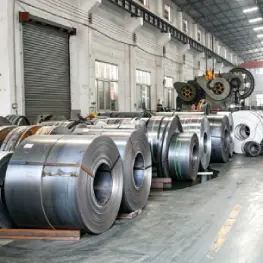
Raw Material Coil QC
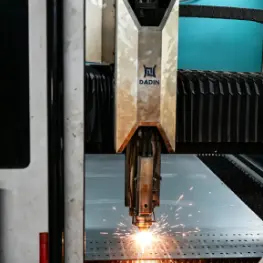
Precision CNC Slitting
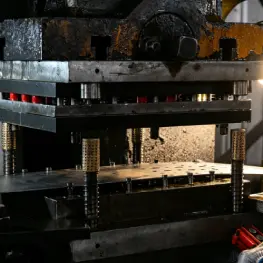
High-Speed Punching
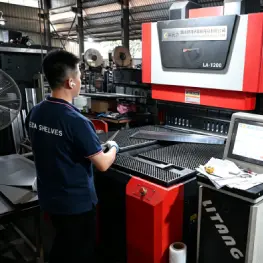
Cold Bending Forming
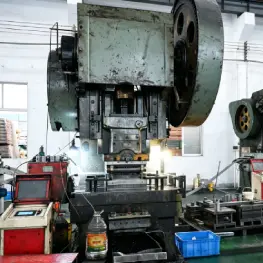
Continuous Profiling
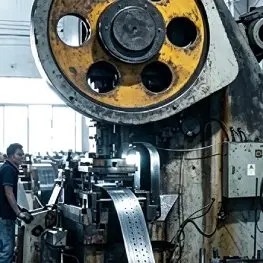
Robotic Polishing
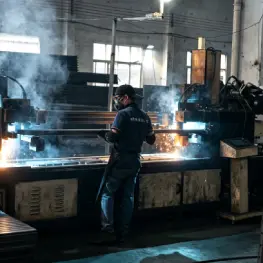
Robotic MIG Welding
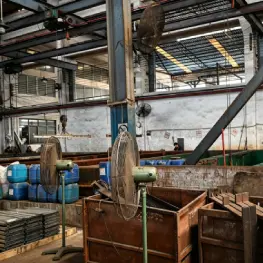
Chemical Pre-treatment
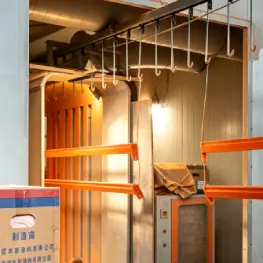
Electrostatic Coating
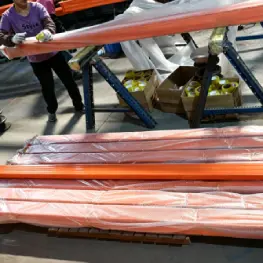
Assembly QC & Packing
Technical Architecture: Roller & Gravity Flow Dynamics
Selecting roller racks requires strict mechanical modeling. Roller type, pitch spacing, incline ratio, and bearing tolerances determine whether goods flow reliably or stall midway.
| Engineering Parameter | Carton Flow Roller System | Heavy Pallet Flow Roller Rack | Lineside Lean Gravity Bed |
|---|---|---|---|
| Target Unit Weight | 5 kg – 50 kg per box / tote | 500 kg – 1,800 kg per pallet load | 10 kg – 150 kg totes / assembly bins |
| Standard Track Incline | 3.0% – 4.5% (approx. 1.8° – 2.6°) | 2.0% – 3.5% (gradient-governed) | 3.5% – 5.0% for immediate lean picking |
| Roller Core Material | High-impact POM / ABS or Galvanized Steel | Heavy-gauge Carbon Steel Tube (Ø50–Ø60mm) | Extruded Aluminum with Polymer Wheels |
| Deceleration Mechanism | Mechanical End Stops & Friction Guides | Centrifugal Magnetic Speed Dampers | Pneumatic indexing / Rubber brake pads |
| FIFO / LIFO Compatibility | Dedicated FIFO (First-In, First-Out) | FIFO (Dedicated lane) or Push-Back LIFO | Strict Kanban FIFO Flow |
| Operating Temperature | -10°C to +45°C | -30°C (Cold Storage) to +50°C (Arid) | -5°C to +45°C workshop ambient |
| Surface Protection | Powder coat 60-90µm or Sendzimir Galv | Hot-Dip Galvanized / Heavy Epoxy 100µm+ | Anodized Aluminum / Powder Coated Steel |
1. Pitch-to-Contact Optimization
For cartons and plastic bins, at least 3 roller axles must support the shortest dimension of the unit load at all times to eliminate flexing, tracking skew, or jams. Pallet flow systems require calculated roller centers matching bottom skid orientation (Euro, GMA, or industrial four-way perimeter bases).
2. Centrifugal Speed Regulators
When pallet gravity runways exceed 4 pallet positions deep (up to 20 pallets deep), kinetic acceleration can cause severe impact at discharge faces. Our OEM dampening rollers utilize internal planetary centrifugal clutches that dynamically scale resistance proportional to pallet speed, holding descent at a safe 0.25 m/s.
3. Zero-Backpressure Pallet Separators
When a forklift extracts the front pallet, trailing pallets exerting hundreds of kilograms of hydrostatic-like line pressure can pinch forklift forks or cause uncontrolled forward surging. Our integrated mechanical pallet separators clamp the second pallet in place until the front pallet clears the unloading zone.
Future Procurement Trends for Industrial Roller Racks (2025–2035)
Global supply chain disruptions, escalating warehouse square-meter real estate leases, and automated vehicle adoption are reshaping how procurement directors specify roller rack infrastructure.
Integration with Autonomous Fleets (AMR / AGV)
Static manual loading is shifting toward unmanned autonomous mobile robot integration. Modern procurement RFQs demand roller tracks with millimetric optical landing targets, photoelectric load-presence indicators, and docking apertures engineered for automated fork and tugger handoffs.
Total Cost of Ownership (TCO) Over CapEx
Low-grade plastic skate wheels degrade rapidly under cycle stress, leading to costly warehouse down-time. Tier-1 warehouse contractors now prioritize cold-forged precision bearings, polyurethane heavy tread tires, and pre-galvanized frame rails that yield an MTBF (Mean Time Between Failures) exceeding 150,000 cycles.
Cold-Chain & Food Security Mandates
With massive investments in pharmaceutical hubs and national food distribution zones across the GCC and Europe, roller racks are replacing drive-in racking. High-density roller lanes maximize chilled air volume efficiency while guaranteeing strict First-Expired, First-Out (FEFO) regulatory compliance.
Frequently Asked Questions for Roller Rack Sourcing
Direct answers to technical specifications, export logistics, structural calculations, and OEM/ODM engineering parameters.
What parameters are required to calculate roller bed inclination and track pitch?
Our engineering department calculates incline and wheel spacing based on: (1) Bottom configuration and material of the pallet/carton (slatted wood, plastic runners, or corrugated base), (2) Minimum and maximum load weights (deflection variance), (3) Total lane travel distance, and (4) Ambient temperature (viscosity of bearing greases in cold storage). We then generate simulated CAD test trajectories.
How do roller racks compare to Drive-In and Push-Back racking systems?
While Drive-In racking offers high density, it enforces LIFO inventory management and exposes uprights to extensive forklift mast collision risks. Roller racks operate on pure FIFO gravity flow where forklifts never enter the storage lane. Push-Back racking uses nested carts on inclined rails for LIFO, whereas roller racks enable deeper storage lanes (up to 20 pallets deep) with higher throughput.
What custom OEM/ODM options are available for specialized lineside manufacturing?
We offer customized roller material specifications (conductive ESD-safe wheels for electronics, high-impact nylon, or zinc-plated steel), modular aluminum flow beds, angle-adjustable shelf brackets, pick-to-light mounting extrusions, custom lane dividers, and bespoke powder-coating colors matched to corporate brand books or RAL standards.
What guarantees are provided against high-salinity and extreme desert heat?
For harsh Middle Eastern or coastal applications (Jebel Ali, Dammam, Jeddah), components undergo full acid pickling and zinc phosphating pre-treatment before receiving an electrostatic thermo-hardened epoxy powder coating (60-90µm thickness). For outdoor yards or extreme environments, components can be specified with hot-dip galvanizing to EN ISO 1461 standards.
How does HEDA Shelves support global turnkey engineering submissions?
We provide comprehensive project packs including structural engineering load calculations, 2D AutoCAD floor plans, 3D DWG/BIM architectural renderings, slab loading force tables, and step-by-step assembly diagrams. These documents are directly compatible with Civil Defense, OSHA, and EN 15512 safety compliance filings.
What are your manufacturing lead times and ocean packing protocols?
Standard production cycles range between 15 to 25 days depending on tonnage. Uprights and long beams are packed in rigid steel-banded bundles with corrugated corner guards and protective plastic wrap. Small hardware, speed controllers, and roller tracks are palletized in heavy fumigated wooden cases marked with clear assembly part numbers.
Partner Directly with Guangzhou's Premier OEM/ODM Factory
Connect directly with our senior application engineers. Submit your warehouse layout, pallet loading parameters, or custom OEM drawings to receive free 2D CAD layouts, 3D renderings, and transparent factory-direct pricing within 24 hours.