Featured Industrial Pallet Racking & Stacking Systems
Direct-from-manufacturer heavy-duty storage configurations engineered in conformance with international structural codes (EN 15512, RMI MH16.1), optimized for load distribution, seismic resilience, and thermal stability.
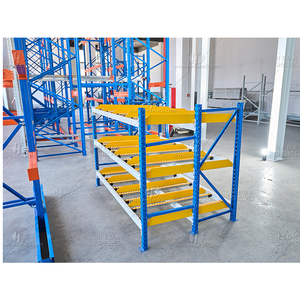
Adjustable Multi-Level Steel Warehouse Carton Flow Racks System
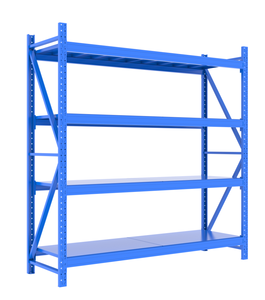
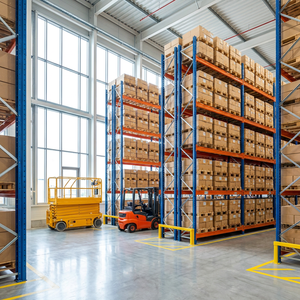
Warehouse Equipment Heavy Duty Steel Storage Pallet Racking
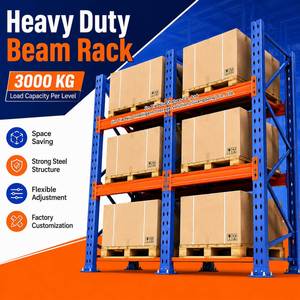
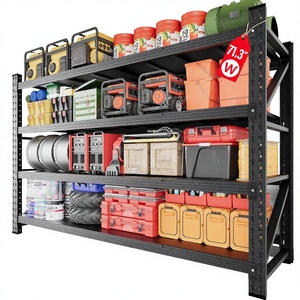

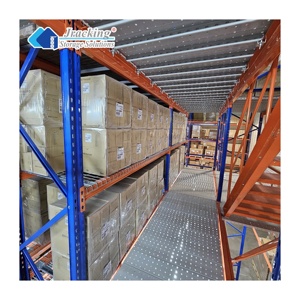
The Paradigm Shift in Pallet Rack Structure Manufacturing & Global Export
Modern supply chain logistics has transformed industrial pallet racking from static steel framing into sophisticated, load-calculated spatial engineering. When evaluating the top 10 pallet rack structure suppliers and exporters, enterprise procurement teams are moving away from evaluating suppliers based purely on the nominal spot price of rolled steel. Instead, critical supply chain infrastructure now hinges on seismic deflection tolerances, dynamic stress analysis, high-bay vertical integration, and surface metallurgical durability capable of withstanding extreme environmental stressors.
As international distribution networks face skyrocketing urban real estate land costs, warehouse construction has trended aggressively vertical. Modern facilities in key re-export and industrial transit corridors—such as Dubai (Jebel Ali), Riyadh, Singapore, Rotterdam, and Houston—now routinely construct racking bays clearing 12 to 16 meters. Operating at these clear heights demands precision structural cold roll-forming with negligible torsion deviation. An upright profile deviation of even 1.5 mm at floor level can translate into substantial lean at the upper beam tier, directly compromising automated crane guides or reach-truck mast tolerances.
Furthermore, climate resilience has emerged as a fundamental engineering requirement. Standard catalogue racking specified for mild, climate-controlled environments will rapidly deteriorate when deployed in high-temperature, high-humidity, and saline atmospheric zones typical of coastal logistics hubs. Pickling and phosphating stages are no longer optional value-adds; they are the baseline chemical barrier against micro-corrosive creep beneath the epoxy layer, preventing unexpected fatigue cracks along welded connector pins.
Future Procurement Trends Shaping Pallet Racking (2025–2030)
How supply chain directors, industrial EPC contractors, and third-party logistics (3PL) conglomerates are revising technical tenders for automated, high-density, and sustainable operations.
High-Bay Automation & Shuttle Synergies
Selective aisles are increasingly yielding space to Radio Shuttle channels, pallet-runner platforms, and AS/RS (Automated Storage and Retrieval System) tie-ins. Warehouses are doubling storage density within identical square meters, reducing forklift transit distances and pallet touch points.
Anti-Corrosion Nanotechnology Finishes
In cold-chain storage and high-salinity coastal zones, procurement contracts demand dual-layer pre-treatments, upgraded zinc galvanizing for damp conditions, and thermoset antimicrobial coatings for food-grade, HACCP-compliant facilities.
Pre-Certified Seismic & Deflection Modeling
Buyers now require pre-tender Finite Element Method (FEM) simulations. Structural calculation packs detailing slab point-load distributions and flue-space fire protection paths expedite local regulatory filings, such as Civil Defense, OSHA, and IBC approvals.
Structural Engineering Evaluation: Structural Steel vs. Cold-Formed Racking
A critical dilemma facing global procurement managers is the structural classification of pallet racks: Roll-Formed (Teardrop/Omega Section) vs. Structural (C-Channel / I-Beam). Below is a comparative operational matrix based on international warehouse design criteria:
| Evaluation Parameter | Cold Roll-Formed Steel Racking | Heavy-Duty Structural Steel Racking |
|---|---|---|
| Primary Material Standard | High-yield Q235B / Q355B cold-rolled steel coils | Hot-rolled structural C-channels & heavy structural sections |
| Beam Level Adjustability | Highly flexible (50mm / 75mm pitch beam clip pin connectors) | Bolted connections; requires manual torque verification and downtime |
| Impact Resistance (Forklift Collisions) | Moderate; requires base column protectors and aisle end-barriers | Superior impact absorption; ideal for heavy industrial staging docks |
| Container Shipping Efficiency | Maximum nested bundling efficiency; minimizes international freight | Significantly higher shipping weight; increased logistics freight costs |
| Typical Industrial Application | FMCG, e-commerce, 3PL logistics, cold chain distribution | Automotive dies, structural fabrication, outdoor raw lumber & steel yards |
Why HEDA Shelves Ranks Among Premier Structural Racking Exporters
Operating continuously since 2001 from Guangzhou, China, Guangzhou Heda Shelves Co., Ltd. has established an integrated production infrastructure spanning 30,000 square meters, supported by a multidisciplinary team of over 300 technical engineers, production technicians, and international export logistics specialists.
Unlike trading intermediaries, HEDA Shelves maintains direct ownership of every phase of fabrication, delivering an annual production capacity surpassing 30,000 tons of structural storage systems. With verifiable compliance across CE certification (No. 2435-CPR-8605159), ISO 9001:2015 Quality Management (No. 18624Q00169R0M), and RoHS environmental standards, our engineering drawings and structural stress models regularly pass municipal safety and commercial insurer audits across North America, Europe, Australia, and the GCC region.
Frequently Asked Technical & Procurement Questions
Answers to common structural engineering, import logistics, and regulatory inquiries submitted by warehouse operators, general contractors, and supply chain directors.
What engineering variables are required to generate an IBC/FEM-compliant racking design?
How do HEDA Shelves pallet racks endure coastal humidity and temperature extremes?
Can HEDA structural calculations and CAD layouts be submitted for local Civil Defense and building permits?
How is export packing managed to prevent freight damage during container transit?
What is the difference between FIFO and LIFO pallet racking configurations?
Accelerate Your Warehouse Engineering Layout
Connect with our technical design office for free 2D CAD layouts, 3D spatial renderings, and factory-direct quotation packs tailored to your facility parameters.